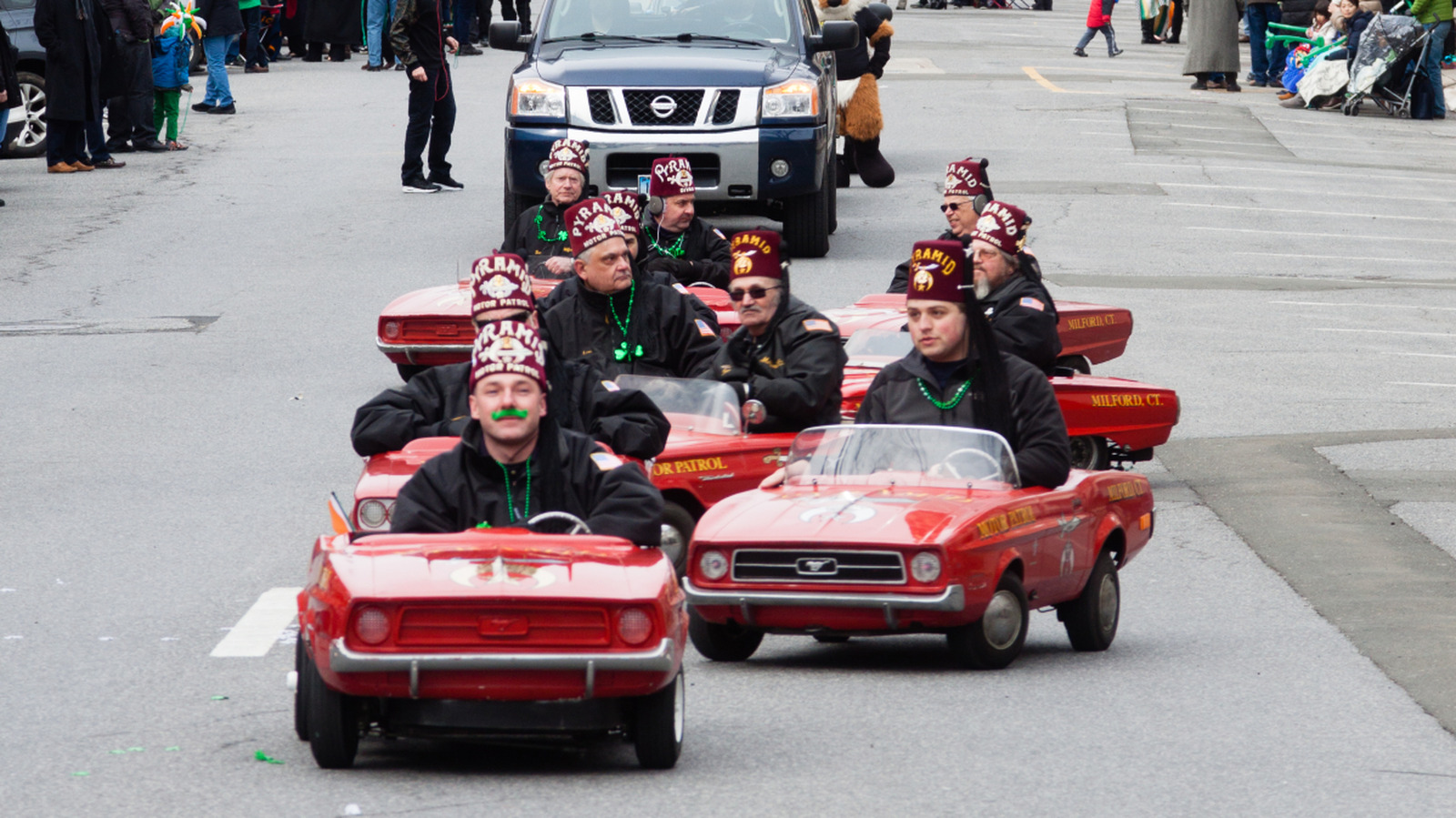
Shriners piloting diminutive vehicles through parades represents one of automotive culture's most recognizable traditions, even if most spectators never question the practice. The tiny cars serve a dual purpose: they function as eye-catching entertainment that draws crowds, and they generate awareness for the Shriners' substantial charitable work.
The Shriners, formally the Ancient Arabic Order of the Nobles of the Mystic Shrine, use these mini cars as mobile billboards at public events. The vehicles typically measure just a few feet long and carry two or three occupants in tight quarters. Their absurd proportions inherently capture attention in ways that standard vehicles never could. Children especially respond to the spectacle, creating memorable moments that keep the Shriners' brand visible across generations.
Beyond mere showmanship, the mini cars serve the Shriners' primary mission: funding hospitals and charitable programs. The organization operates 22 hospitals across North America, many specializing in orthopedic care and burn treatment for children regardless of family income. Parade appearances and public events generate donations and volunteer interest that directly support these facilities.
The tradition dates back decades and has become inseparable from how the public perceives Shriners. The fez hat completes the image, creating an instantly recognizable costume that distinguishes Shriners from other civic organizations. This visual branding proves remarkably effective at fundraising events.
The vehicles themselves range from custom-built microcars to heavily modified lawn mowers and golf carts. Some Shriners invest considerable time personalizing their rigs with paint jobs and decorative elements. The parade circuit attracts Shrine clubs from across regions, transforming these events into informal competitions for the most entertaining or elaborate small-vehicle displays.
The tradition persists because it works. The combination of whimsy and purpose creates positive associations with the Shri