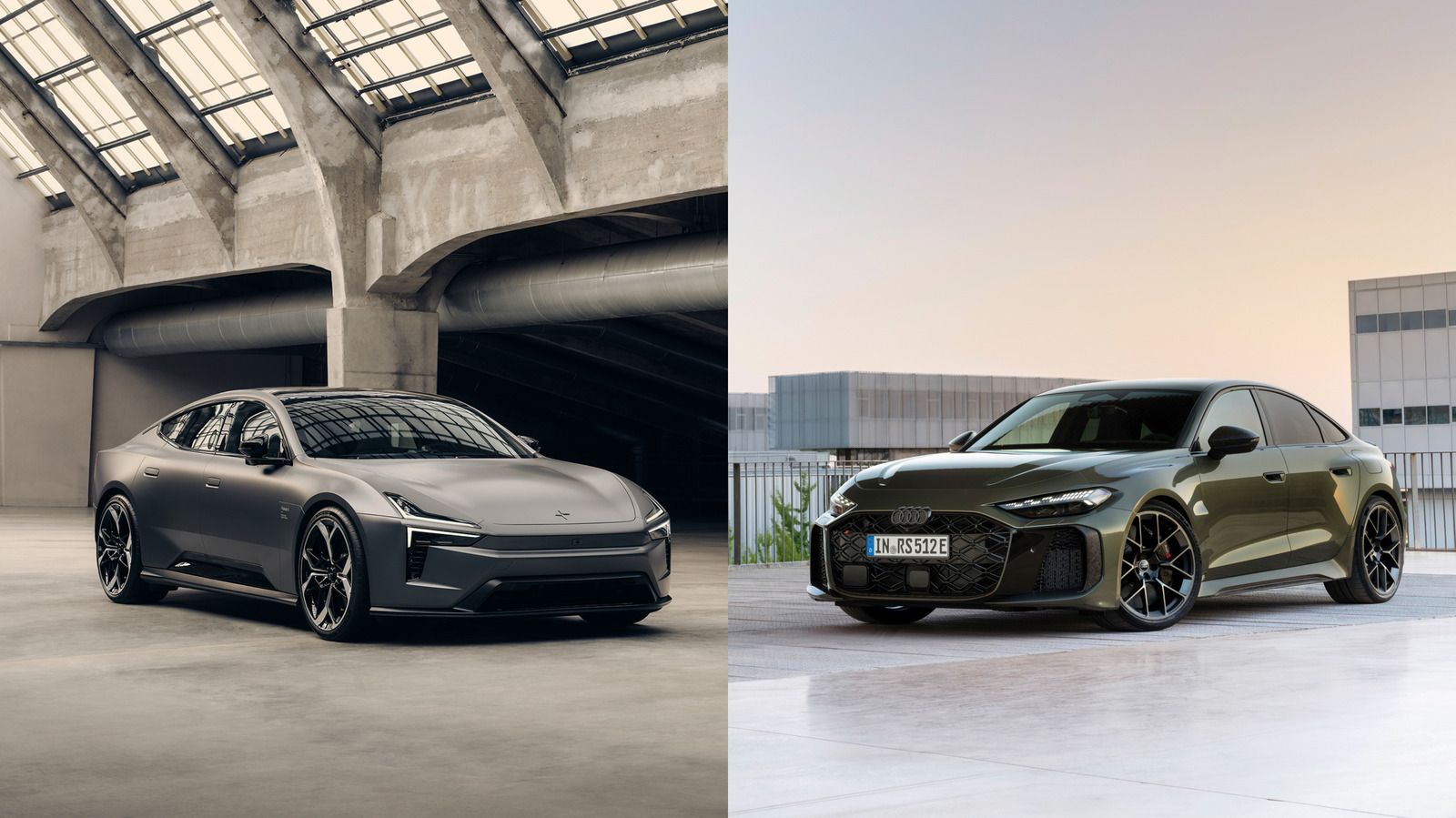
Two performance sedans land in the same week for testing, offering a fascinating contrast in automotive philosophy. The Audi RS5 represents traditional internal combustion muscle, while the Polestar 5 embodies electric ambition.
The RS5 carries a 503-horsepower twin-turbocharged V6 paired with an eight-speed automatic transmission. Audi's flagship sport sedan delivers traditional throttle response and that mechanical engagement enthusiasts expect. The RS5 starts around $110,000 and competes directly with the BMW M440i and Mercedes-AMG C63. Its quattro all-wheel-drive system handles winter driving with genuine competence, and the interior marries luxury with sport-tuned ergonomics.
Polestar's 5, launching in 2025, takes a different route. The Swedish electric grand tourer aims for 884 horsepower from dual motors, targeting a 3.2-second zero-to-60 time. Pricing starts near $110,000 as well, directly challenging Tesla's Model S Plaid and matching the RS5's entry cost. Polestar focuses on range (around 440 miles claimed), minimalist Scandinavian design, and software refinement. No traditional engine noise exists here, only instant electric torque delivery.
The real story sits in what buyers actually want. The RS5 offers proven performance, resale value, and decades of tuning support. It sounds like a car. The Polestar 5 promises future-forward efficiency, lower running costs, and cutting-edge technology integration. It demands acceptance of electric's different character.
Neither outright defeats the other. The RS5 rewards drivers who value mechanical feedback and traditional sports car dynamics. The Polestar 5 appeals to buyers accepting electrification while refusing to compromise on