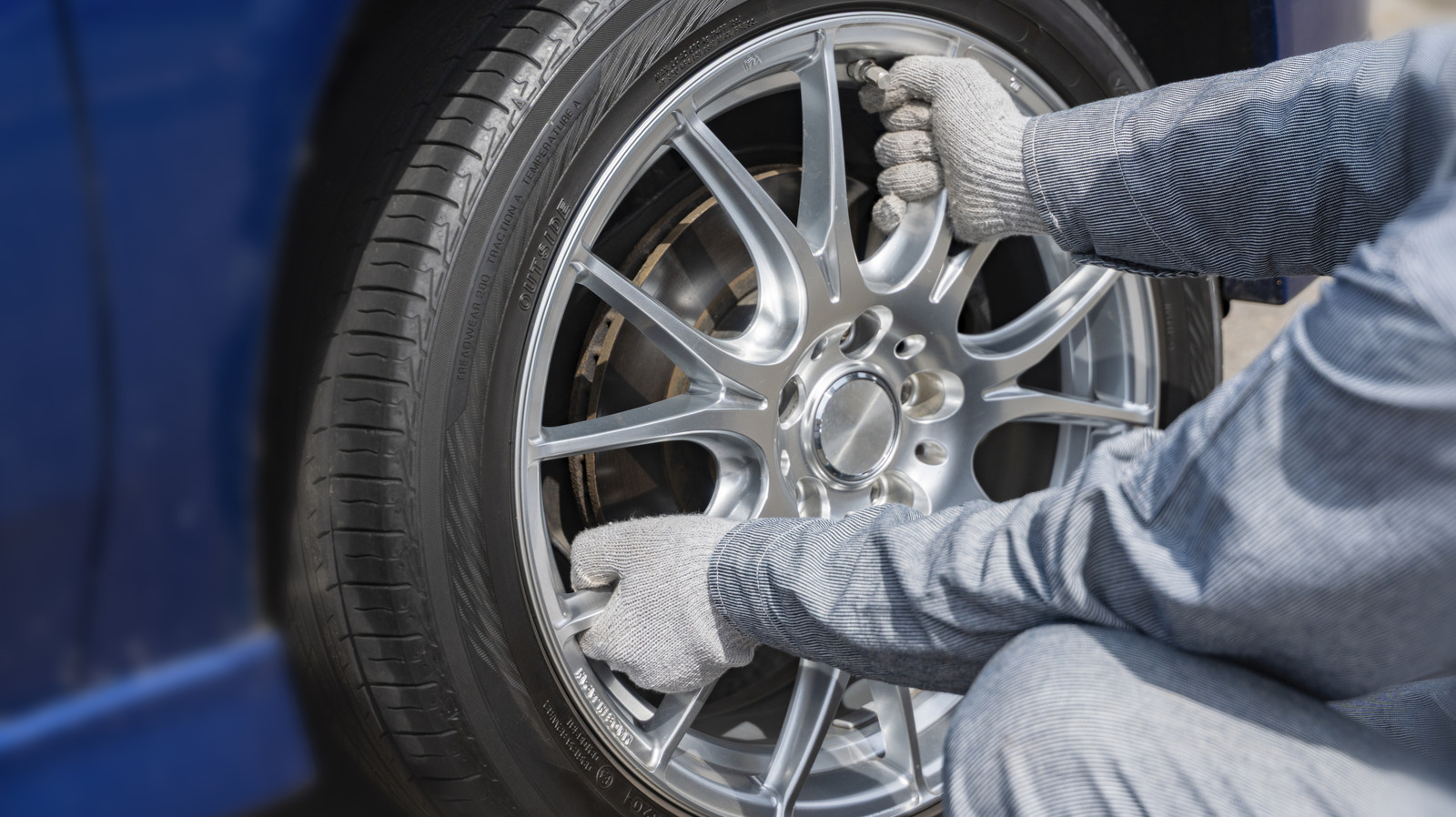
New tires require a break-in period to reach peak performance, and this isn't folklore. Fresh rubber comes with a slick factory coating that reduces grip until it wears away. Drivers typically notice improved traction and handling after 200 to 500 miles of normal driving.
The factory coating exists to protect tire surfaces during manufacturing, shipping, and storage. This waxy layer sits on top of the rubber compound and reduces the contact patch's ability to grip the road. Once you drive on new tires, friction gradually removes this coating, exposing the actual rubber underneath.
During break-in, tire grip improves noticeably. Wet braking distance decreases, cornering grip increases, and the tires feel more responsive. This matters most in performance-oriented driving or emergency situations where maximum traction makes a real difference.
The sensation that new tires feel slippery compared to older, partially worn tires tracks with reality. Worn rubber has accumulated microscopic damage that increases surface roughness and bite. Meanwhile, freshly manufactured rubber sits smooth and coated, creating lower grip levels until the break-in process completes.
Drivers should treat new tires conservatively for the first several hundred miles. Avoid aggressive acceleration, hard braking, and tight cornering until the tire coating fully wears away. This approach extends tire life and ensures predictable handling as the break-in phase finishes.
The break-in period varies depending on driving style and conditions. Highway miles may take longer to break in tires than mixed city and highway driving. Aggressive drivers will notice the improvement faster due to higher heat and friction speeds accelerating the coating removal process.
Understanding tire break-in mechanics helps drivers make informed decisions about new rubber. The improvement in grip and handling justifies exercising patience during those critical first few hundred miles. Science confirms what experienced drivers already knew: new tires need time to