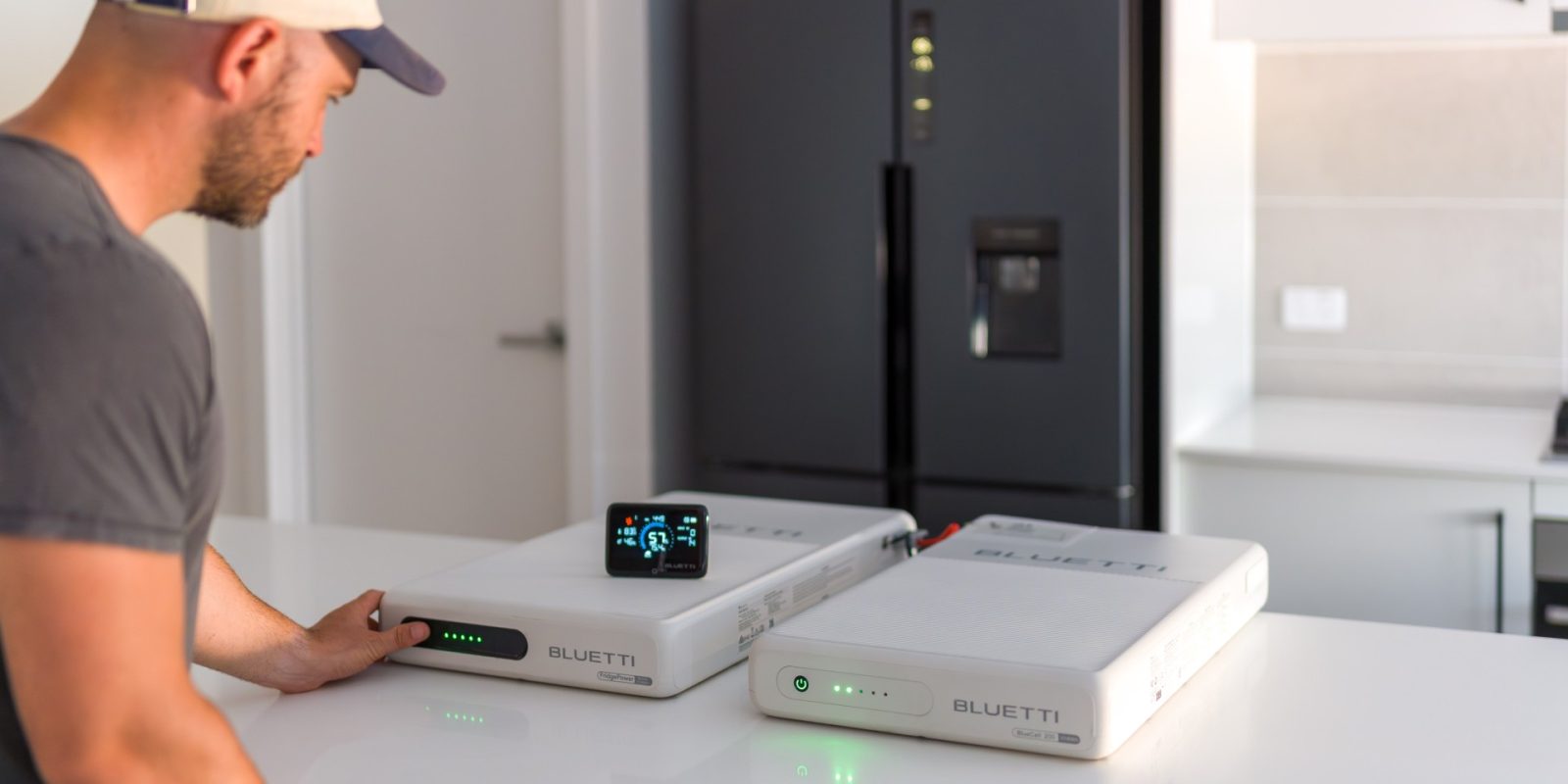
Homeowners show fragmented demand for residential battery backup systems, ranging from minimal phone-charging capacity to full-house power resilience. An Electrek reader survey reveals the actual market appetite sits between two extremes: the modest phone-charging powerbank and the comprehensive whole-home setup that powers HVAC, refrigeration, and essential circuits during outages.
The survey captures a critical inflection point in home energy storage adoption. Battery manufacturers including Tesla, Bluetti, and EcoFlow have pushed marketing narratives around full-home backup, positioning systems like the Powerwall and FridgePower as lifestyle upgrades for climate-conscious homeowners. Yet consumer interest patterns suggest a more pragmatic middle ground drives purchasing decisions.
Respondents prioritized keeping essential appliances online during grid failures. Refrigeration ranked high because food spoilage creates immediate financial loss and health risks. Phone and WiFi backup appealed to those concerned with communication during extended outages, a concern sharpened by hurricane season patterns across Florida and the Gulf Coast. Heat and cooling came next, reflecting the reality that temperature regulation matters more than luxuries.
Few readers expressed interest in powering their entire homes. The cost barrier remains steep. A 10 kWh Powerwall costs roughly 12000 dollars before installation, while whole-home setups often exceed 30000 dollars. Most households lack the solar generation capacity to recharge fast enough for true energy independence, making backup systems genuinely just that, backup, not primary power.
The survey underscores that home battery manufacturers have oversold the whole-home vision. Buyers think in terms of critical loads, not kilowatt hours. They want refrigerator runtime measured in days, not weeks. They want their internet router staying online. Chargers and small loads handle themselves.
This disconnect between marketing messaging and actual consumer needs shapes product development moving forward.