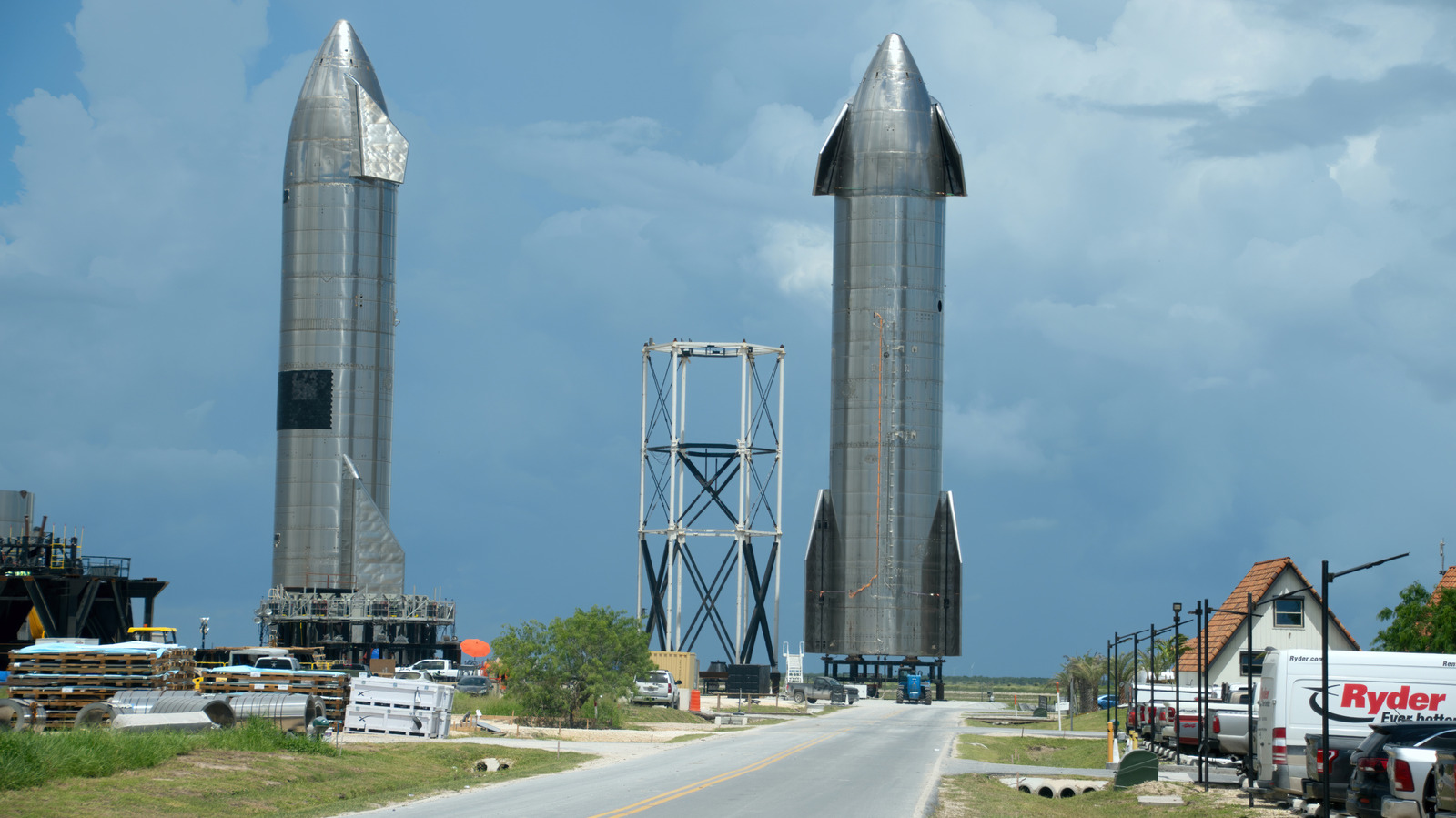
SpaceX faces a lawsuit from Texas homeowners claiming property damage from rocket launches at the company's Starbase facility near Boca Chica. The suit alleges that vibrations and debris from launches have caused structural damage to residential properties in the surrounding area.
The legal action represents the latest friction between SpaceX's aggressive launch schedule and local communities. Starbase sits in a remote coastal region, but nearby residents have reported cracked foundations, damaged roofs, and other structural issues they attribute to launch operations. SpaceX has conducted numerous Starship test flights from the facility, each generating extreme noise and shock waves that propagate across the landscape.
SpaceX typically resolves these disputes through settlements rather than protracted litigation. The company has settled previous damage claims from launch operations, treating them as a manageable cost of doing business. This pattern suggests the Boca Chica homeowners will likely reach a settlement covering repairs and compensation, though probably not a windfall figure.
The core tension remains unresolved: SpaceX operates under FAA licensing and environmental permits that allow launches, yet those same launches inflict measurable harm on nearby properties. Residents have limited legal recourse beyond civil suits. SpaceX's priority remains maximizing test flights and rapid iteration toward operational Starship capabilities. The company views settlements as an acceptable expense compared to delays or operational constraints.
This dynamic will persist as long as Starbase operations continue. SpaceX shows no indication of slowing launch cadence, and the FAA has shown limited willingness to impose launch restrictions. Expect more damage claims and more settlements. For SpaceX, the math is straightforward: rapid development and occasional payouts to residents beat prolonged regulatory battles or operational delays. The homeowners may win compensation, but SpaceX wins the fundamental conflict.