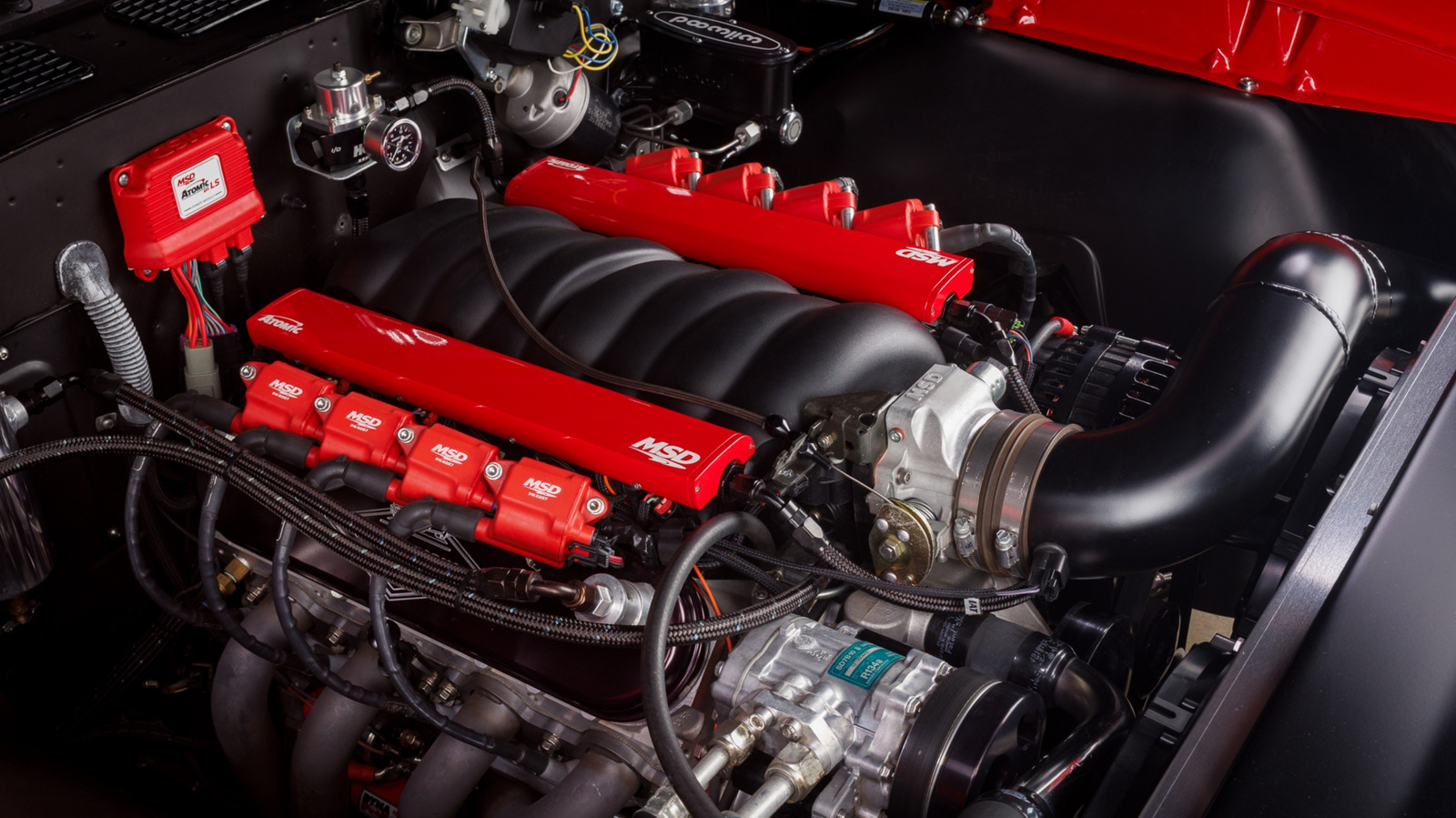
General Motors refined its legendary small-block V8 lineup when it introduced the LS3 to replace the LS2 in Corvette applications. Both engines displace 6.2 liters, but internal engineering separates them significantly.
The LS2 produced 400 horsepower and 400 pound-feet of torque in base C6 Corvette form. GM then released the LS3 with 430 horsepower and 424 pound-feet of torque, representing a meaningful jump in output without increasing displacement.
The LS3 achieved its power gains through better breathing. The intake ports received polishing and optimization for improved flow characteristics. The LS3 also used a more aggressive camshaft profile compared to the LS2, allowing higher valve lift and longer duration events. This combination pulled more mixture into the cylinders and pushed more exhaust gases out.
The cylinder head casting itself changed. LS3 heads featured improved combustion chamber design with better quench areas and swirl characteristics. These refinements promoted more efficient burning, extracting more power from each fuel charge.
Internally, the LS3 incorporated a reinforced block structure. While both engines used cast-iron blocks, the LS3's internal bracing and thicker webbing provided greater structural rigidity. This stronger foundation allowed GM to push compression ratios higher without sacrificing durability. The LS3 ran 10.7:1 compression versus the LS2's 10.9:1, though the LS3 still benefited from its superior structural integrity.
Both engines used roller-rocker valve trains and four-bolt main bearing caps. The LS3 upgraded to a more robust fuel injection system that better supported its higher output.
Corvette buyers shopping between generations noticed the LS3's tangible performance