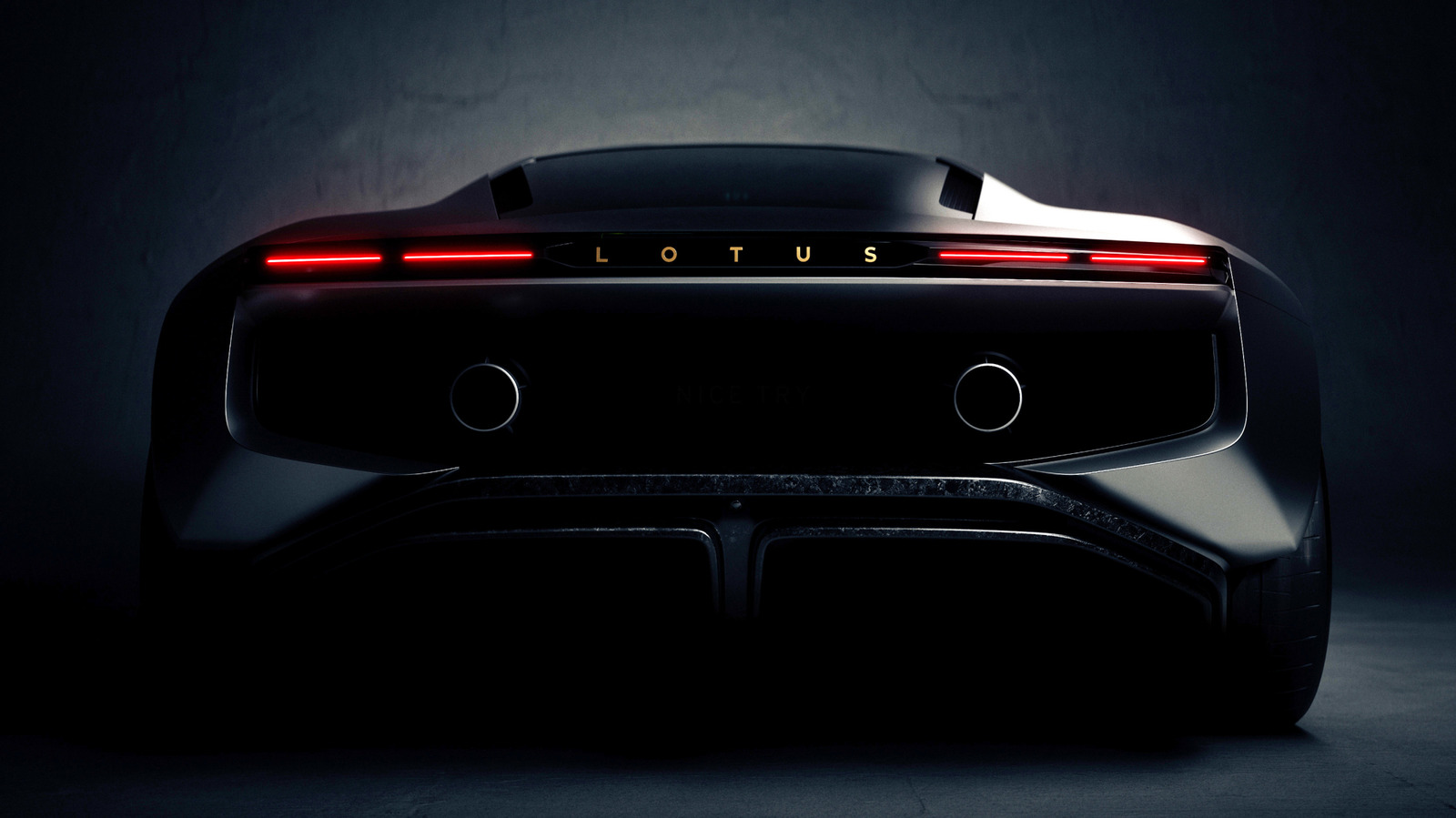
Lotus confirms a 1,000-horsepower V8 hybrid supercar arriving in 2028, building directly on the Theory 1 concept unveiled in 2024. The British marque signals a return to its performance heritage after years focused on electric vehicle development under new ownership.
The Theory 1 concept established the design language and powertrain philosophy for this production model. Lotus pairs a traditional V8 engine with hybrid technology to hit the 1,000-hp target, marking a strategic pivot away from pure-electric platforms. This hybrid approach balances the brand's heritage with modern efficiency demands and appeals to purists who value internal combustion alongside electrification.
The timing positions Lotus against established hypercars and emerging electric rivals. Ferrari, Lamborghini, and McLaren already field hybrid supercars, while EV startups like Rimac and Lotus's own Evija push limits on the electric side. A 1,000-hp V8 hybrid slots Lotus into premium territory without abandoning combustion engines entirely.
Lotus hasn't confirmed the production name, though speculation centers on Esprit, the iconic nameplate from 1976 through 2018. Reviving Esprit would leverage heritage and consumer recognition. The original Esprit earned legendary status through James Bond appearances and lightweight, innovative engineering. A modern Esprit carrying 1,000 hp and hybrid technology signals continuity with Lotus philosophy while embracing contemporary performance standards.
Geely's ownership of Lotus ensures manufacturing capacity and investment depth. The parent company bankrolled Lotus's electric vehicles and racing programs. A flagship hybrid supercar justifies capital expenditure and establishes Lotus as a credible player in the ultra-premium segment.
Key questions remain on pricing, production volume, and market positioning. A 1,000-hp hybrid supercar