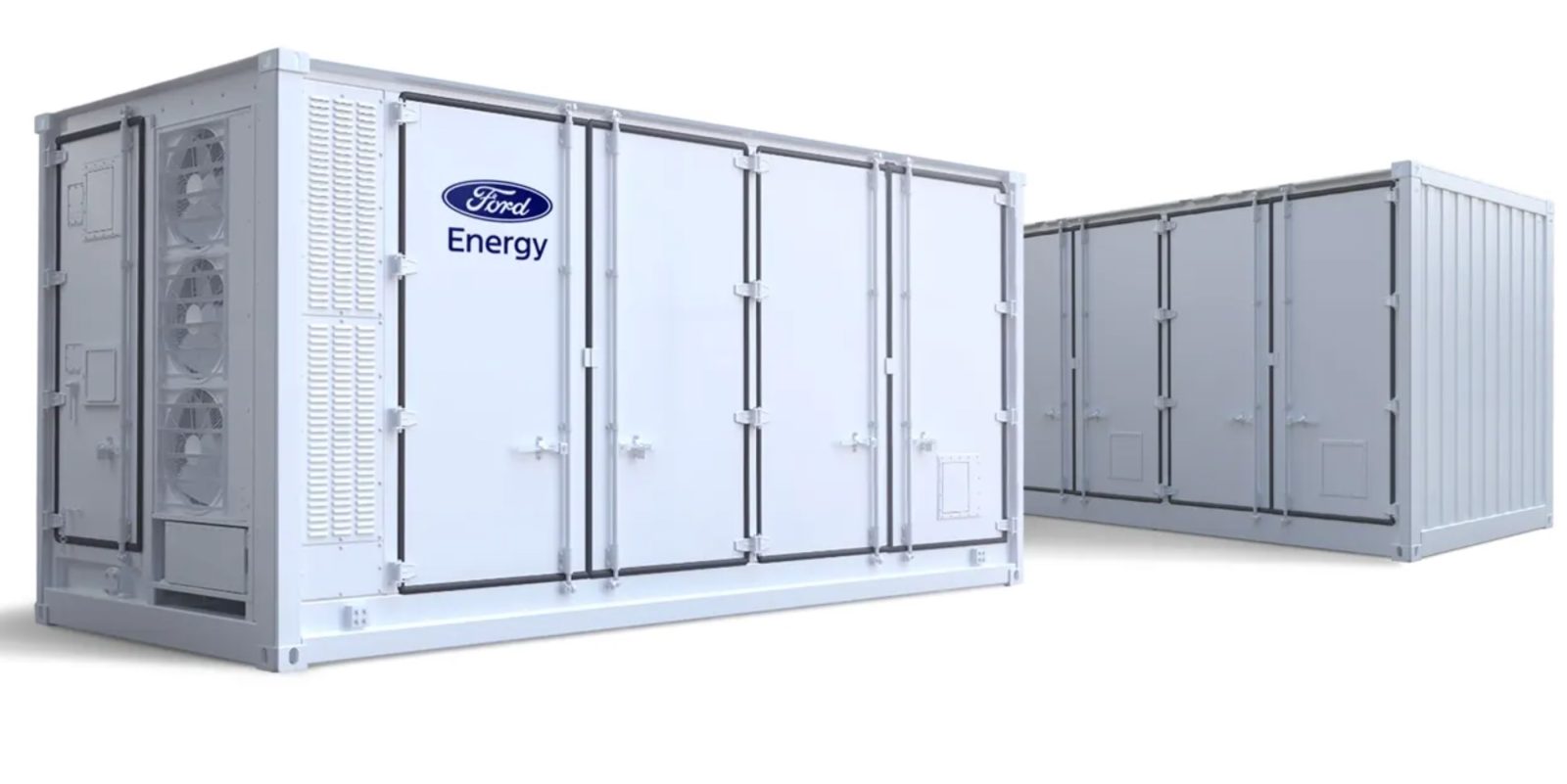
Ford has established Ford Energy, a new subsidiary focused on manufacturing battery energy storage systems for utilities, data centers, and industrial customers. The Kentucky gigafactory will produce 20 GWh of storage capacity annually, targeting the grid-scale market where demand is climbing due to AI infrastructure expansion and renewable energy deployment.
This pivot addresses Ford's EV battery overcapacity challenge by redirecting production toward a faster-growing sector. Battery energy storage systems (BESS) have become critical infrastructure as utilities manage grid stability and companies like Amazon, Microsoft, and Google race to power massive data center buildouts. Manufacturers including Tesla, Eos, and Redwood Materials dominate the space, but the market expansion creates room for new players.
Ford's timing reflects reality in automotive manufacturing. EV battery production across the industry has outpaced vehicle demand, leaving plants underutilized and suppliers struggling. Rather than idling capacity, Ford converts its Kentucky facility into a storage-focused operation. The company already operates battery plants and possesses manufacturing expertise, making the transition logical.
The 20 GWh annual target positions Ford as a mid-tier player initially, though scalability remains possible. Tesla's 4680-based Megapack systems and other competitors establish the performance benchmarks Ford must match. Grid operators demand reliability, safety certifications, and long-duration performance. Competition on price and specifications will intensify.
Ford Energy's launch also hedges against EV battery oversupply lasting longer than expected. The grid storage market offers steadier revenue during automotive demand uncertainty. Utilities sign multi-year contracts for BESS deployment, providing revenue stability compared to volatile EV sales.
The subsidiary structure allows Ford to operate independently of its vehicle division, potentially partnering with external EV makers and selling to competitors without conflict. This separation mirrors how traditional automakers handled tier-one suppliers, giving Ford flexibility in customer acquisition