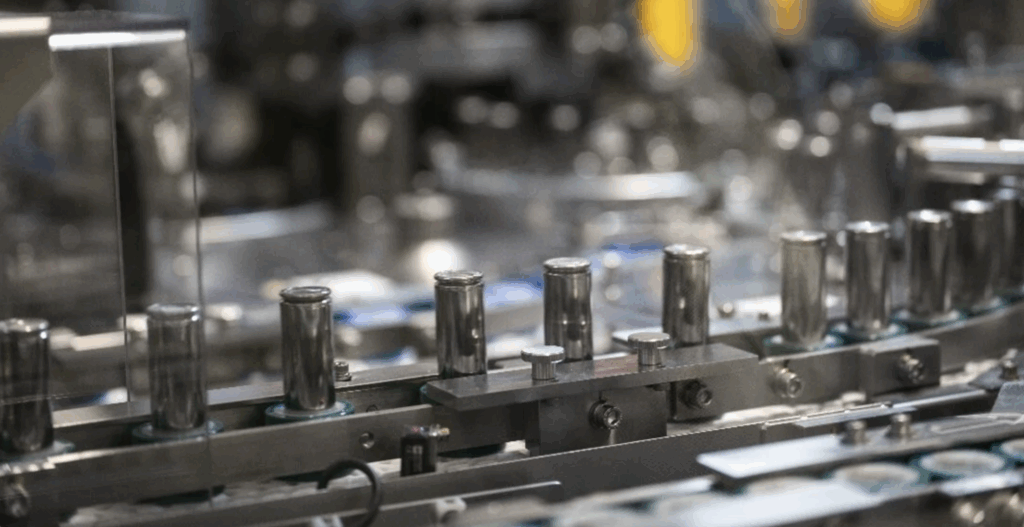
Panasonic has delayed mass production of its 4680 battery cell format once again, extending a pattern of missed deadlines that now spans years. The Japanese battery supplier announced the pushback without specifying a new timeline for commercial output of the cylindrical cells.
This represents the latest setback for technology that Panasonic developed in partnership with Tesla, the 4680's primary customer and the company that championed the format as superior to conventional 2170 cells. Larger dimensions and structural design allow the 4680 to store more energy in a smaller footprint, reduce assembly complexity, and cut manufacturing costs. Tesla built the business case around these advantages.
The problem: Tesla still hasn't launched a vehicle model that requires 4680 cells at meaningful scale. While the company incorporated them into limited production runs of the Model Y and Roadster, neither vehicle depends on the format for commercialization. Tesla's production strategy has emphasized established 2170 and LFP chemistries from other suppliers, particularly in lower-cost markets.
Panasonic's repeated delays expose a fundamental mismatch between technology readiness and market demand. The company faces enormous capital expenditure to scale manufacturing capacity, yet demand signals remain weak. Without Tesla or another automaker committing to high-volume orders, Panasonic cannot justify full production ramp.
The competitive landscape adds pressure. SK Innovation, CATL, and other battery makers have invested in their own cylindrical cell programs. Meanwhile, the industry increasingly favors large-format pouch and prismatic cells for EVs, particularly LFP chemistry, which has captured cost-conscious buyers in China and emerging markets.
For Tesla, the delays matter less than for Panasonic. The automaker's battery sourcing strategy has diversified substantially. It buys 4680s where available, but depends primarily on established suppliers. A commercial