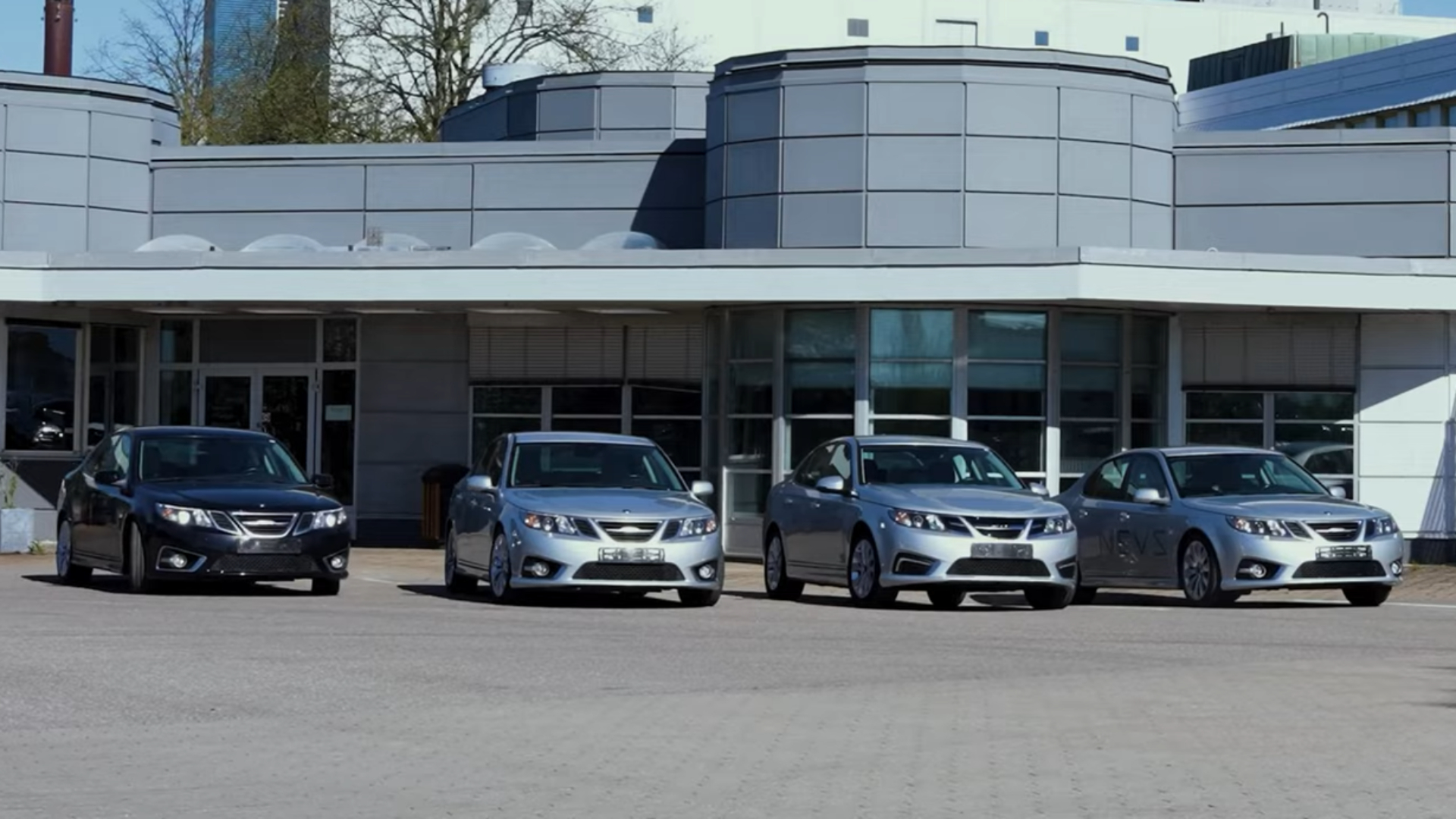
National Electric Vehicle Sweden (NEVS) abandoned seven Saab prototypes and one Hengchi model when it shut down operations at the iconic Trollhättan factory in Sweden. These vehicles now head to auction, offering collectors a rare glimpse into the final chapter of Saab's automotive legacy.
NEVS acquired Saab's assets in 2012 after the original company's bankruptcy and attempted to pivot the brand toward electric vehicles. The Chinese-backed manufacturer operated the Swedish facility for over a decade before ceasing production, leaving behind prototype vehicles that represent unrealized EV development work. The exact specifications and intended purposes of these seven Saab prototypes remain unclear from available details, but Saab prototypes from the NEVS era typically showcased battery-electric technology and modern infotainment systems adapted to classic Saab platforms.
The presence of a Hengchi prototype at the factory indicates collaboration between NEVS and its parent company, Evergrande, the Chinese automaker. Evergrande's involvement in the Trollhättan facility underscored NEVS' attempts to blend Swedish automotive engineering heritage with Chinese capital and manufacturing expertise.
Auction of these vehicles carries nostalgic weight for Saab enthusiasts worldwide. Original Saab ceased production in 2011 after decades building turbocharged sedans and quirky hatchbacks known for front-wheel-drive engineering and jet-fighter design influences. NEVS' subsequent decade produced limited-volume EVs marketed under the Saab nameplate, but none achieved commercial success comparable to the brand's golden era.
These prototypes represent a footnote in Swedish automotive history. They document an era when legacy brands attempted reinvention through electrification and Chinese investment. The fact that NEVS left them behind suggests either incomplete development cycles, insufficient battery technology at prototype stages, or simply practical