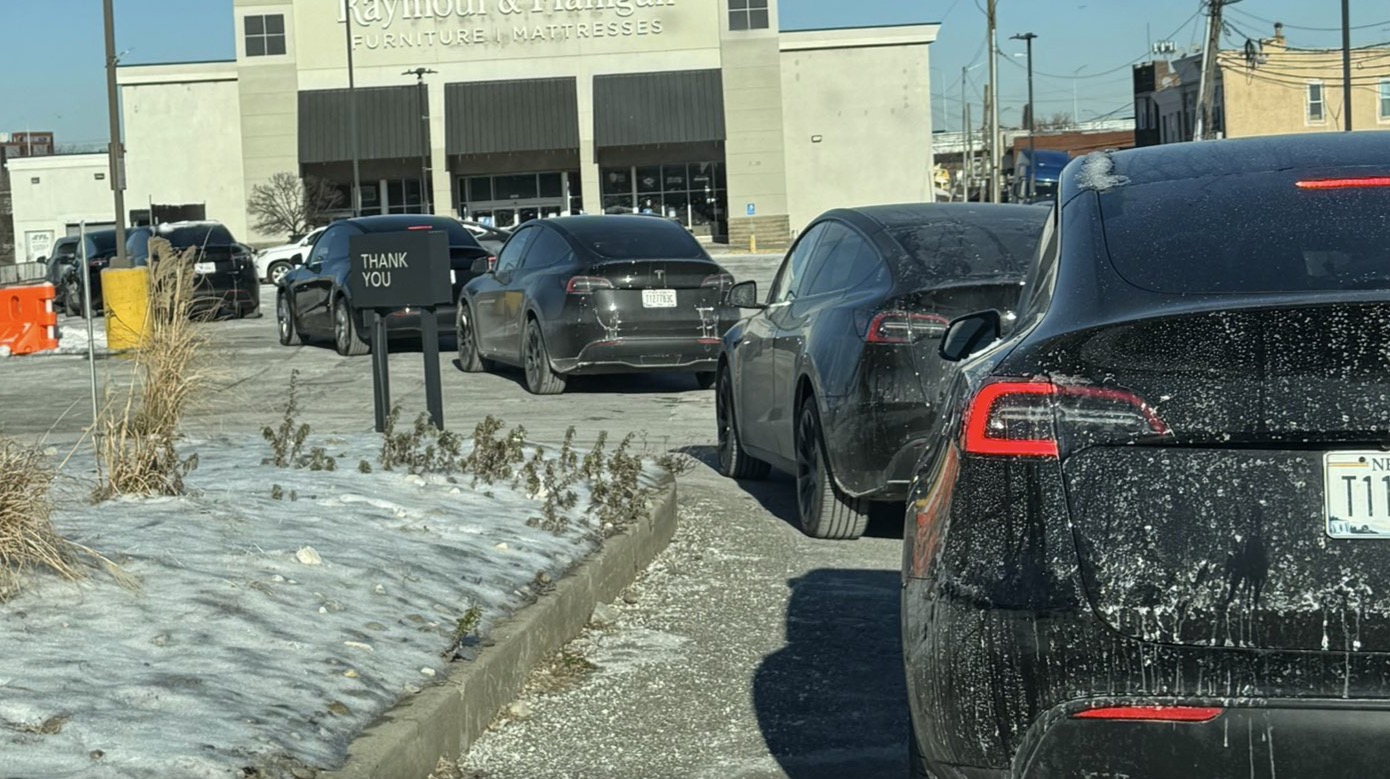
Tesla is piloting a virtual queue system at five Supercharger locations, letting drivers reserve charging spots through the Tesla app instead of waiting in person at congested stations. The feature rolls out more than a year after Tesla committed to the solution following a widely shared video showing two owners fighting over a charging spot.
The delay underscores a real problem in Tesla's charging network. As EV adoption accelerates and Supercharger traffic intensifies, bottlenecks at popular locations have created friction. High-demand corridors and urban stations regularly hit capacity during peak hours, forcing drivers to either circle for open stalls or abandon charging attempts entirely. That physical frustration boiled over in the viral incident, putting a spotlight on Tesla's operational shortfalls.
A virtual waitlist tackles the core issue: it eliminates the scramble for spots and lets the system allocate charging access fairly. Drivers join the queue remotely, receive real-time updates on wait times, and get notified when a charger becomes available. They can then drive to the location or go elsewhere while waiting. This beats the current model where drivers arrive at full stations with no visibility into when they might charge.
The five-location pilot is cautious but necessary. Tesla needs real-world data on adoption rates, queue management under load, and user behavior before rolling this network-wide. Integration with the app should be seamless. Pricing mechanics matter too. Tesla will likely need to decide whether virtual queue spots reserve chargers at standard rates or if demand-based pricing applies during peak times.
Competitors like Electrify America and EVgo operate reservation systems already, so this puts Tesla on par with the industry standard rather than ahead. But for Tesla owners, the feature removes a genuine pain point. As Supercharger utilization climbs, virtual queuing becomes essential infrastructure rather than a nice-to-have feature. This pilot proves Tesla finally