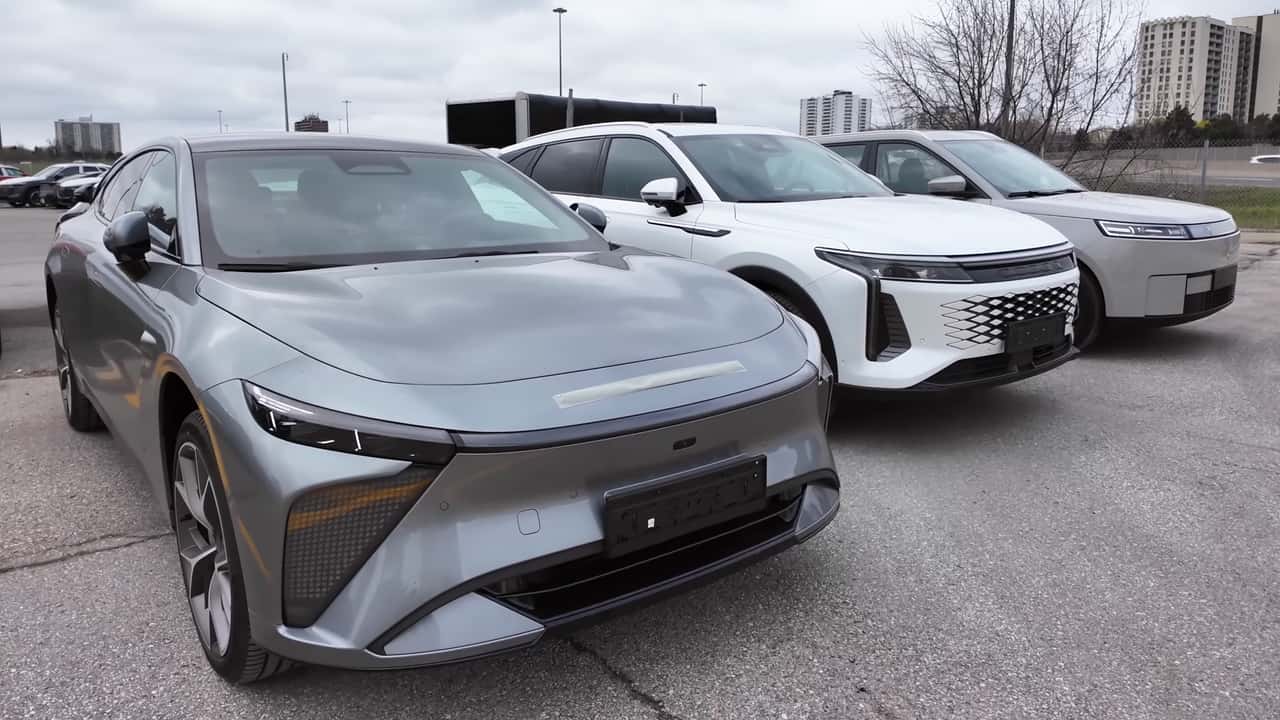
Chinese automakers Chery and Geely have begun delivering electric vehicles and plug-in hybrids to Canada, marking a significant shift in the North American EV market. Both brands plan to ramp up shipments substantially over the coming months.
Chery, which produces the Omoda 5 crossover and Arrizo 6 sedan, enters Canada with competitively priced EVs targeting mainstream buyers. Geely brings its Geometry brand lineup, including the Geometry C compact crossover and Geometry A sedan. Both manufacturers undercut traditional Western automakers on pricing while matching or exceeding feature sets.
This expansion represents China's aggressive push into markets previously dominated by Tesla, General Motors, Ford, and traditional luxury brands. Chinese EV makers have conquered their home market and Europe. Canada now becomes a bridgehead for deeper North American penetration, particularly as tariffs and regulatory barriers shift.
The timing matters. Canada faces EV adoption targets and reduced federal incentives for imported vehicles. Yet Chinese brands offer Tesla-competitive performance at lower price points than Ford's Mustang Mach-E or Chevrolet's Blazer EV. Battery costs remain their core advantage.
Western automakers watch closely. GM, Ford, and Stellantis have invested billions in EV development but struggle with profitability at consumer-friendly prices. Chinese competitors operate with lower labor costs and mature battery supply chains. Geely's partnership with Volvo and Chery's joint ventures demonstrate how Chinese firms blend Western design expertise with Eastern manufacturing efficiency.
For Canadian consumers, competition intensifies. More EV choices, lower prices, and faster innovation cycles accelerate adoption. Dealers and charging infrastructure providers face pressure to support new brands. Warranty and service networks remain questions.
Political headwinds persist. The U.S. and Canada view Chinese EV dominance as a