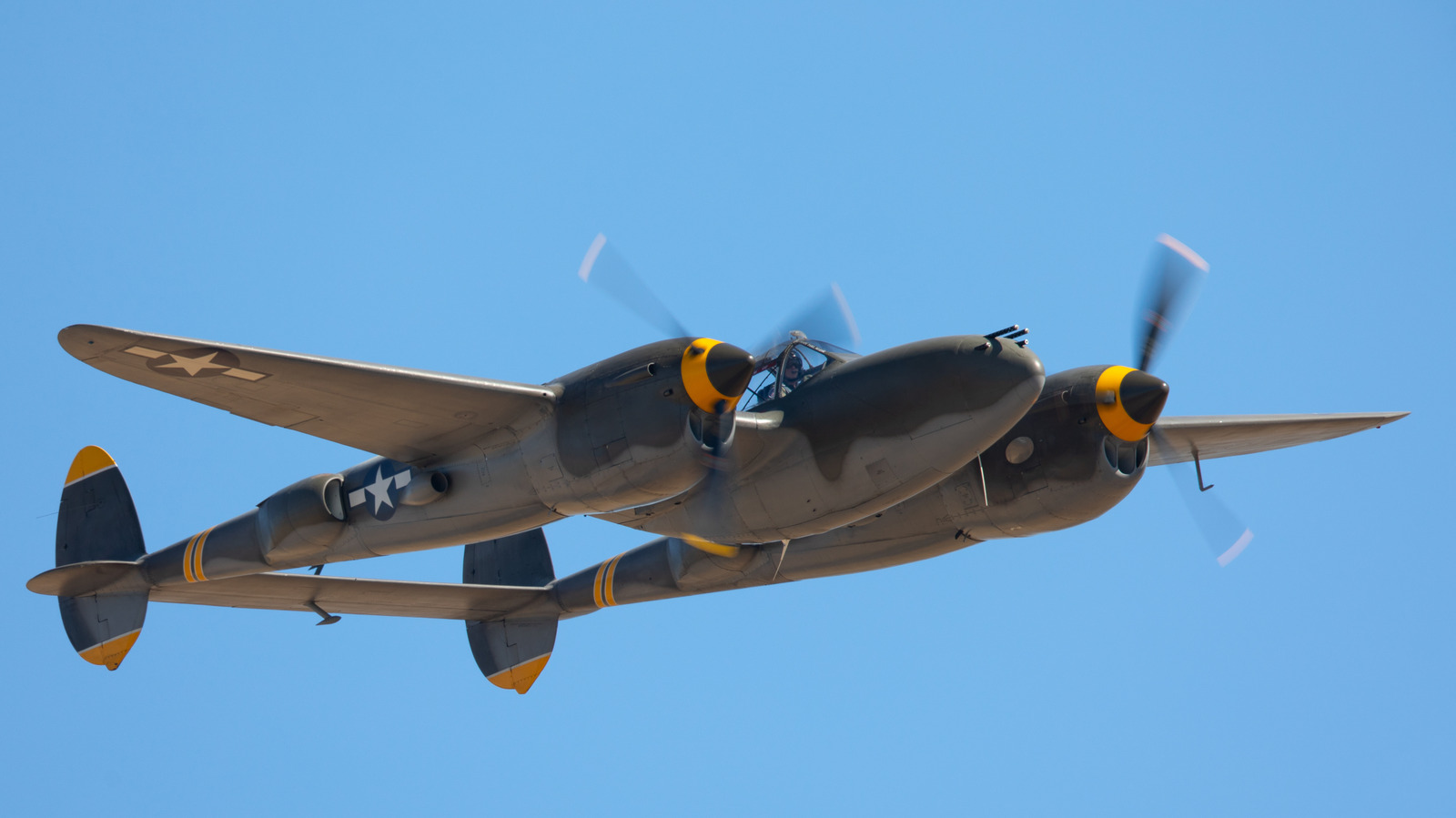
A P-38 Lightning fighter plane that crash-landed on a Greenland glacier in 1942 has returned to the skies after an extraordinary recovery and restoration effort. The aircraft, nicknamed "Glacier Girl," spent decades buried under 268 feet of ice before teams located and excavated it in 1992.
The P-38 Lightning was part of a World War II ferry flight from the United States to the United Kingdom when bad weather forced the pilot and crew to bail out near the ice sheet. The plane remained frozen in place for fifty years until modern technology and determination brought it back.
The recovery operation itself became legendary in aviation circles. Engineers drilled down through the ice, constructed a protective ice igloo around the fuselage, and carefully extracted the fighter intact. Teams then spent years on meticulous restoration, replacing deteriorated components while preserving original systems wherever possible.
The P-38 represents one of history's most advanced fighter planes. Its twin Allison engines produced 1,150 horsepower each. The distinctive twin-boom design made it instantly recognizable and deadly in combat. The aircraft served with distinction against Japanese Zero fighters in the Pacific and German Luftwaffe planes over Europe.
Flying Glacier Girl again demonstrates what dedicated aviation enthusiasts can achieve. The restoration team had to source parts from salvaged aircraft, manufacture components no longer in production, and solve engineering puzzles created by decades of ice exposure and extreme cold. Avionics systems needed complete replacement while maintaining the aircraft's authentic appearance.
The successful flight marks a rare victory for history preservation in aviation. Most warbird restorations face budget constraints and technical obstacles. This project overcame both, bringing a piece of aviation heritage back to active duty. Glacier Girl now flies at airshows and serves as a mobile museum, allowing new generations to witness the engineering and courage of the WWII era firsthand.