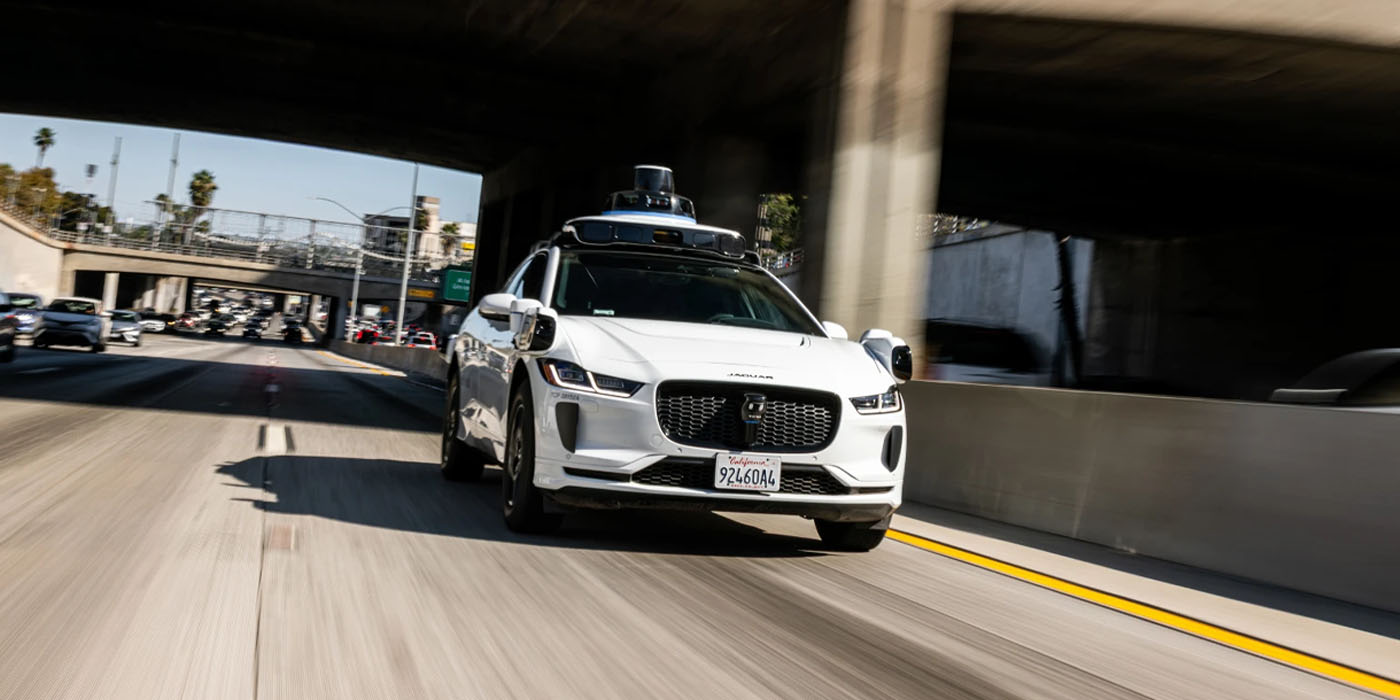
Waymo filed a voluntary recall with NHTSA covering 3,791 robotaxis after one vehicle entered a flooded road in San Antonio last month. The incident caused no injuries.
The recall addresses a software limitation in how Waymo's autonomous vehicles assess water hazards. The company will deploy an over-the-air update to its entire fleet, eliminating the need for service center visits. Waymo has already implemented interim operational constraints while the final software remedy rolls out.
This recall reflects the growing pains of autonomous vehicle deployment at scale. Waymo now operates thousands of driverless taxis across multiple U.S. cities, and edge cases like flooded roads test the robustness of perception and decision-making systems. The company's ability to fix the problem remotely via software underscores a key advantage autonomous fleets hold over traditional vehicles. Traditional automakers still struggle with rapid, fleet-wide OTA remedies, often requiring dealership visits.
The incident also highlights why regulators maintain close oversight of autonomous operations. NHTSA's transparency requirement means Waymo must disclose safety issues publicly, even when no crash or injury occurs. This sets a precedent other autonomous operators like Cruise and Apple's reported robotaxi efforts will need to follow.
Waymo's interim constraints likely include geofencing flood-prone areas or restricting operations during heavy rain until the software update deploys. The company operates robotaxis in San Francisco, Los Angeles, Phoenix, and San Antonio, so a fleet-wide issue could disrupt service in all markets temporarily.
The recall demonstrates that autonomous vehicles, despite their potential safety advantages, still require continuous refinement. Water detection and hazard avoidance systems must improve to handle the full range of real-world driving conditions. For passengers and regulators, this case shows the importance of robust testing before autonomous fleets scale widely into new territories.