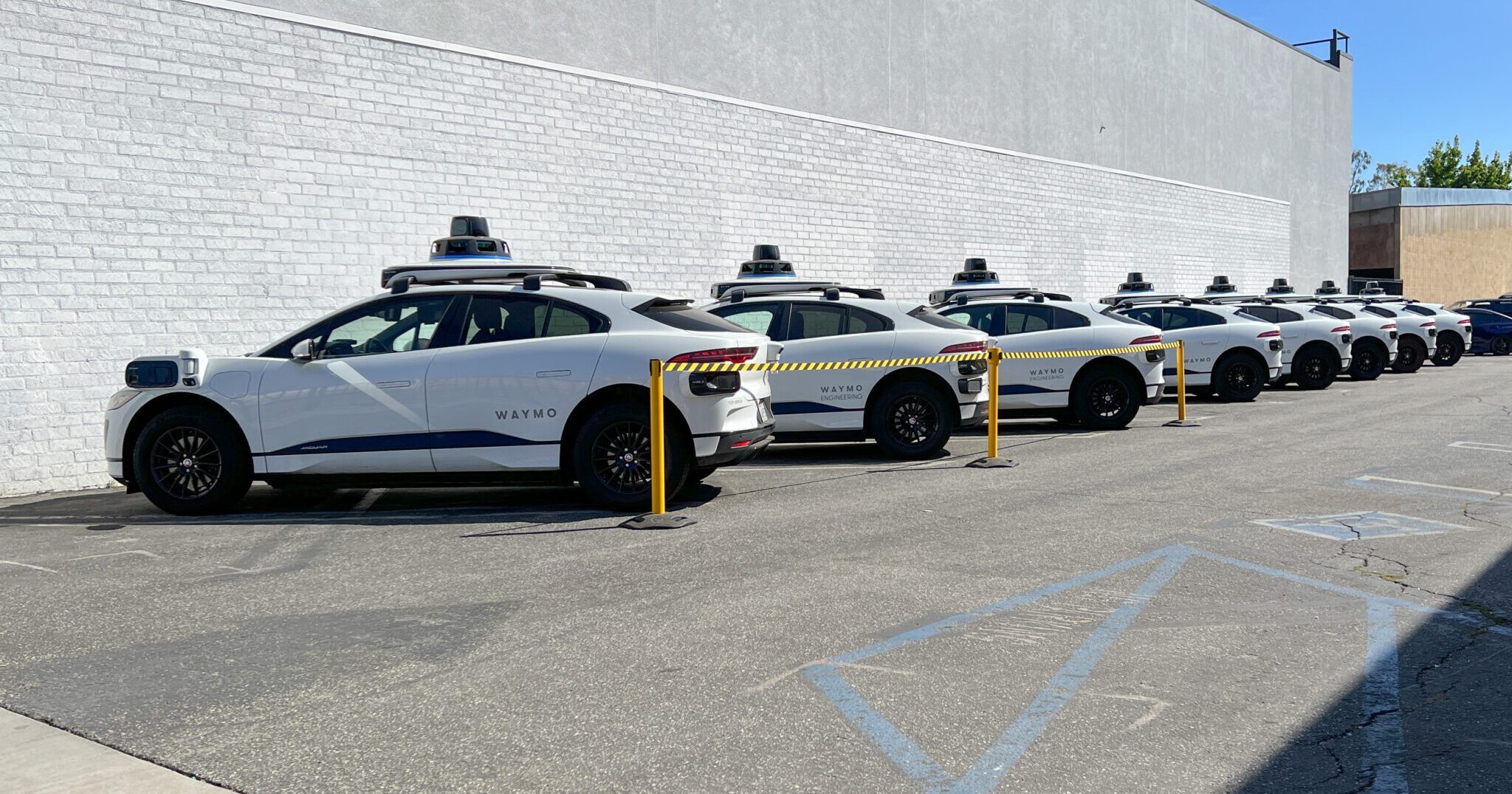
Waymo is recalling its entire 3,800-unit robotaxi fleet over flood-related safety risks, marking a rare public disclosure of the autonomous vehicle operator's actual deployment scale. The recall reveals the company operates far fewer vehicles than industry assumptions suggested, while regulators intensify scrutiny of its self-driving systems.
The flood recall stems from concerns that water ingress could compromise critical autonomous systems during heavy rainfall or in flood-prone areas. Waymo's Jaguar I-PACE electric robotaxis rely on complex sensor arrays, computing hardware, and electrical systems vulnerable to moisture damage. Flooding could disable lidar, radar, or camera feeds essential for safe autonomous navigation, potentially leaving vehicles unable to operate or respond to hazards.
This recall occurs as Waymo faces mounting regulatory pressure. The National Highway Traffic Safety Administration and California authorities have opened multiple investigations into Waymo's autonomous driving safety protocols, crash reporting, and operational practices. The flood recall demonstrates the company takes these concerns seriously, though critics argue it exposes fundamental design vulnerabilities in vehicles meant for real-world deployment across diverse climates.
The 3,800-unit figure contradicts previous industry estimates placing Waymo's fleet significantly higher. This disclosure clarifies the gap between hype and reality in the autonomous vehicle market. Waymo operates commercial robotaxi services in San Francisco, Los Angeles, and Phoenix, where flooding remains a seasonal concern in certain regions.
Competitors like Cruise, owned by General Motors, faced similar regulatory setbacks before suspending driverless operations last year following safety incidents. Tesla's Full Self-Driving system operates under different regulatory frameworks with far fewer safety oversight mechanisms.
The recall's scope suggests Waymo prioritizes proactive risk management, though it raises questions about testing rigor before deployment. Vehicles operating in wet climates without waterproofing certification represent a design oversight for a company claiming read