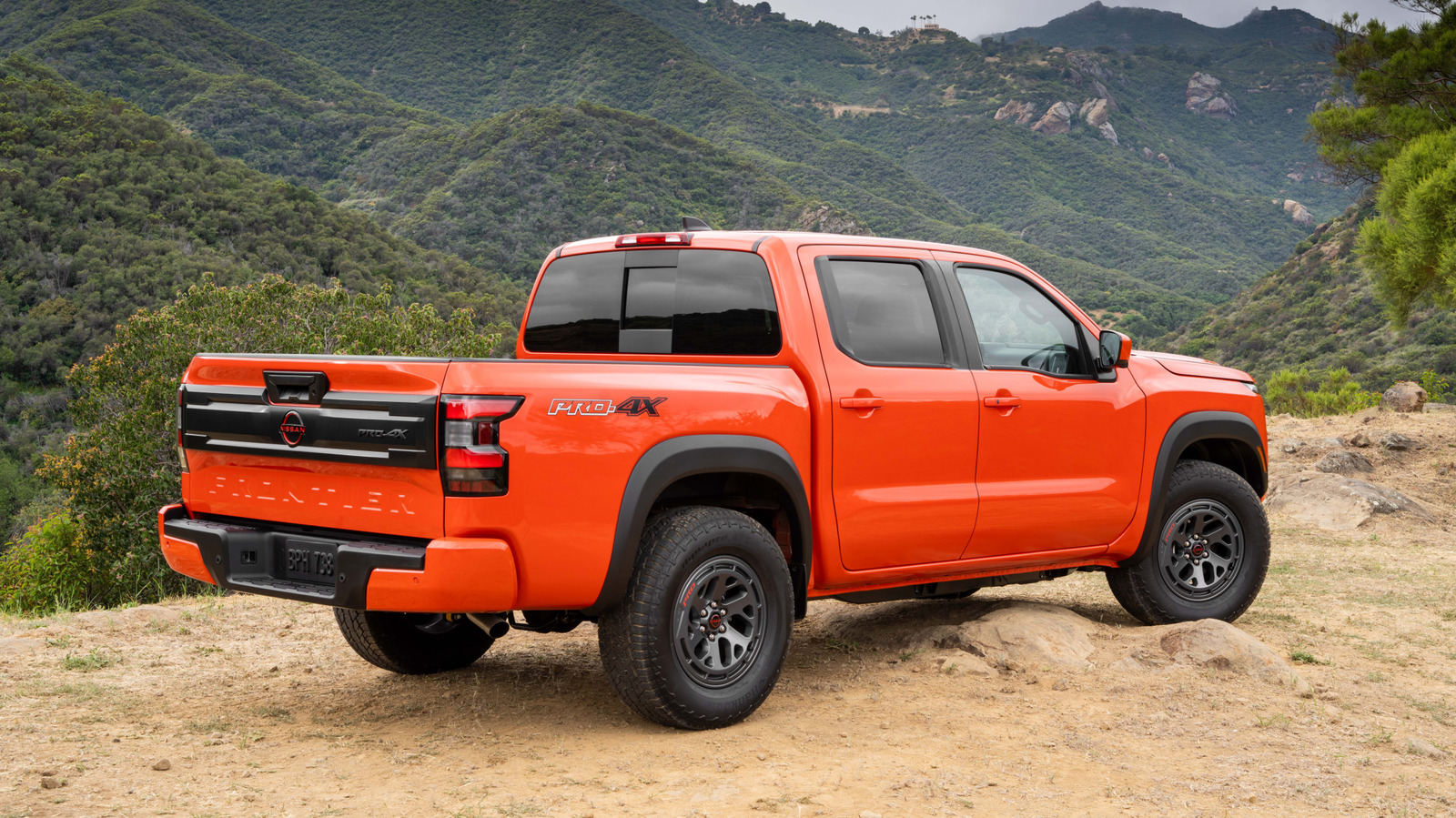
Nissan's Frontier mid-size pickup truck presents a reliability puzzle that confuses buyers and frustrates owners. Consumer Reports data reveals the truck's dependability ratings swing wildly across model years, making it difficult to predict actual real-world durability for potential purchasers.
The Frontier's inconsistency stems from several factors. First, the truck has undergone multiple generations with different powertrains and platforms. The older generation, produced through 2021, relied on a dated 4.0-liter V6 engine paired with a five-speed automatic transmission. That architecture showed respectable longevity in some years but suffered catastrophic failures in others, depending on build quality, production timing, and assembly location variations.
Nissan's 2022 redesign introduced an entirely new platform, engine, and transmission. The new generation uses a 3.8-liter twin-turbo V6 mated to a nine-speed automatic. This fresh architecture hasn't accumulated enough data for Consumer Reports to establish clear long-term reliability patterns yet. Early feedback has been positive, but time and miles determine true dependability.
Production inconsistencies also play a role. Nissan manufactures the Frontier in multiple locations with varying quality control standards. Trucks built during certain periods exhibit higher defect rates than others. Consumer Reports captures these variations in its ratings, creating the perception that the Frontier itself is unreliable when, in reality, specific model years carry higher risk.
The mid-size pickup segment itself adds context. Chevrolet's Colorado and GMC Canyon use similar age-related reliability patterns, though their Toyota Tacoma competitor maintains steadier ratings across years. Buyers shopping this segment must examine specific model years rather than relying on blanket assessments of the nameplate.
For potential Frontier buyers, the takeaway is clear. Avoid first-generation trucks