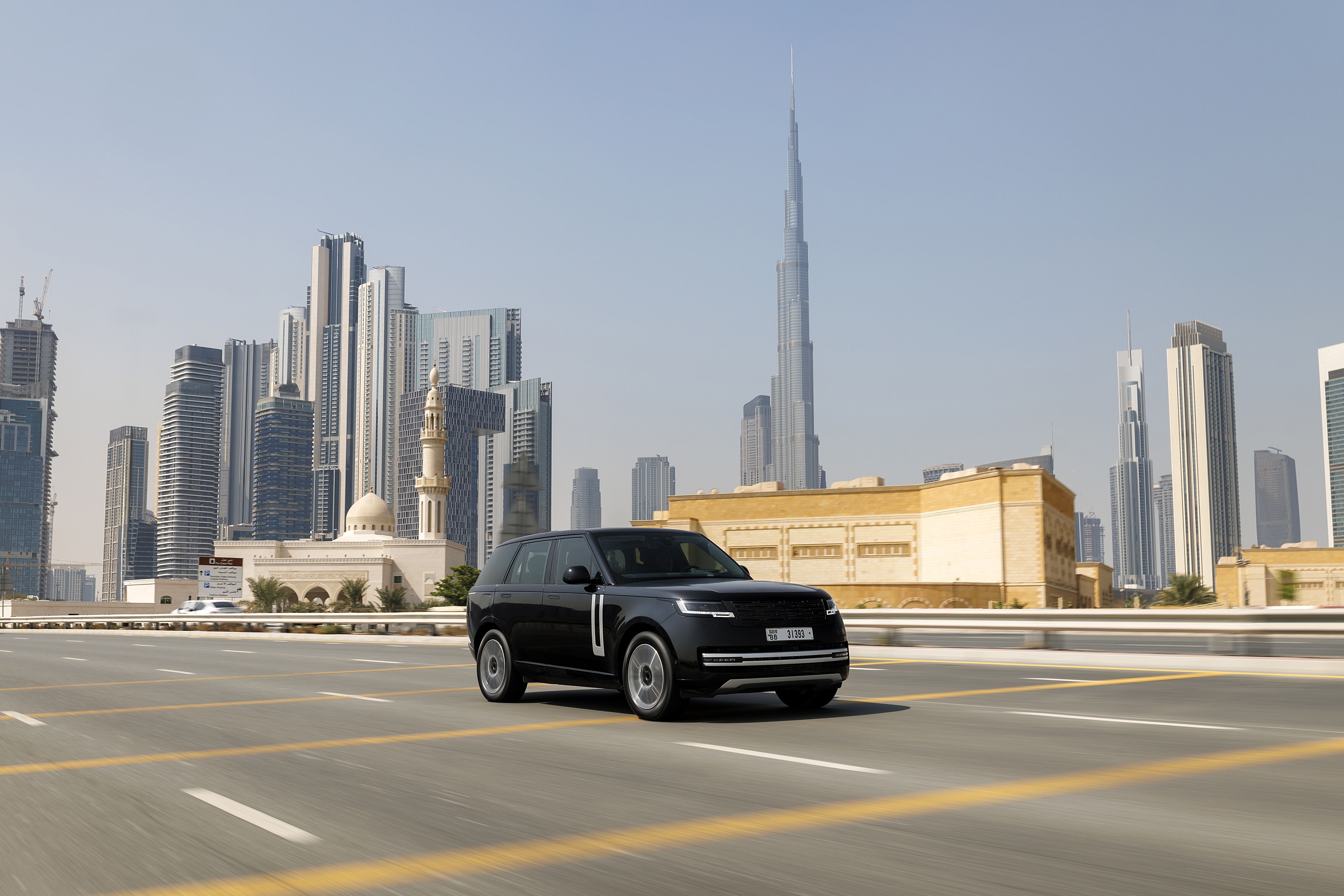
Land Rover confirmed it will launch a fully electric Range Rover in 2027, marking the brand's most ambitious electrification move yet. The company plans to build the EV alongside its traditional combustion engine version at the same manufacturing facility, a strategy that gives production flexibility while the market transitions toward battery power.
The 2027 Range Rover EV will share the brand's modular platform architecture, enabling Land Rover to optimize weight distribution and interior space in ways the current gasoline model cannot match. Expect a three-row layout with premium seating and the kind of off-road capability that defines the Range Rover nameplate, though Land Rover has not yet released battery capacity, range, or output figures.
This timing places Land Rover directly in competition with Rivian's R1S and upcoming electric luxury SUVs from traditional automakers. BMW, Mercedes-Benz, and Porsche are all developing full-size electric alternatives in this segment. The 2027 launch gives Land Rover breathing room to refine battery technology and charging infrastructure while observing competitors' successes and failures in the market.
Land Rover's dual-production strategy differs from rivals like General Motors, which is consolidating EV manufacturing into dedicated facilities. Building both powertrains at one plant keeps capital costs lower and hedges against demand uncertainty. If EV adoption accelerates faster than predicted, Land Rover can increase battery vehicle production without major retooling.
The Range Rover EV arrives as luxury buyers increasingly demand electric options for premium vehicles. The current Range Rover starts above $100,000 and attracts affluent customers who can absorb higher EV pricing. Land Rover's parent company Jaguar Land Rover (owned by Tata Motors) must hit stricter EU and UK emissions regulations by the late 2020s, and the electric Range Rover serves as