California renewable energy developer Juniper Energy partnered with Alsym Energy to deploy 500 MWh of sodium-ion battery storage across the state. The move targets extreme heat regions where traditional lithium-ion batteries face performance challenges in high temperatures.
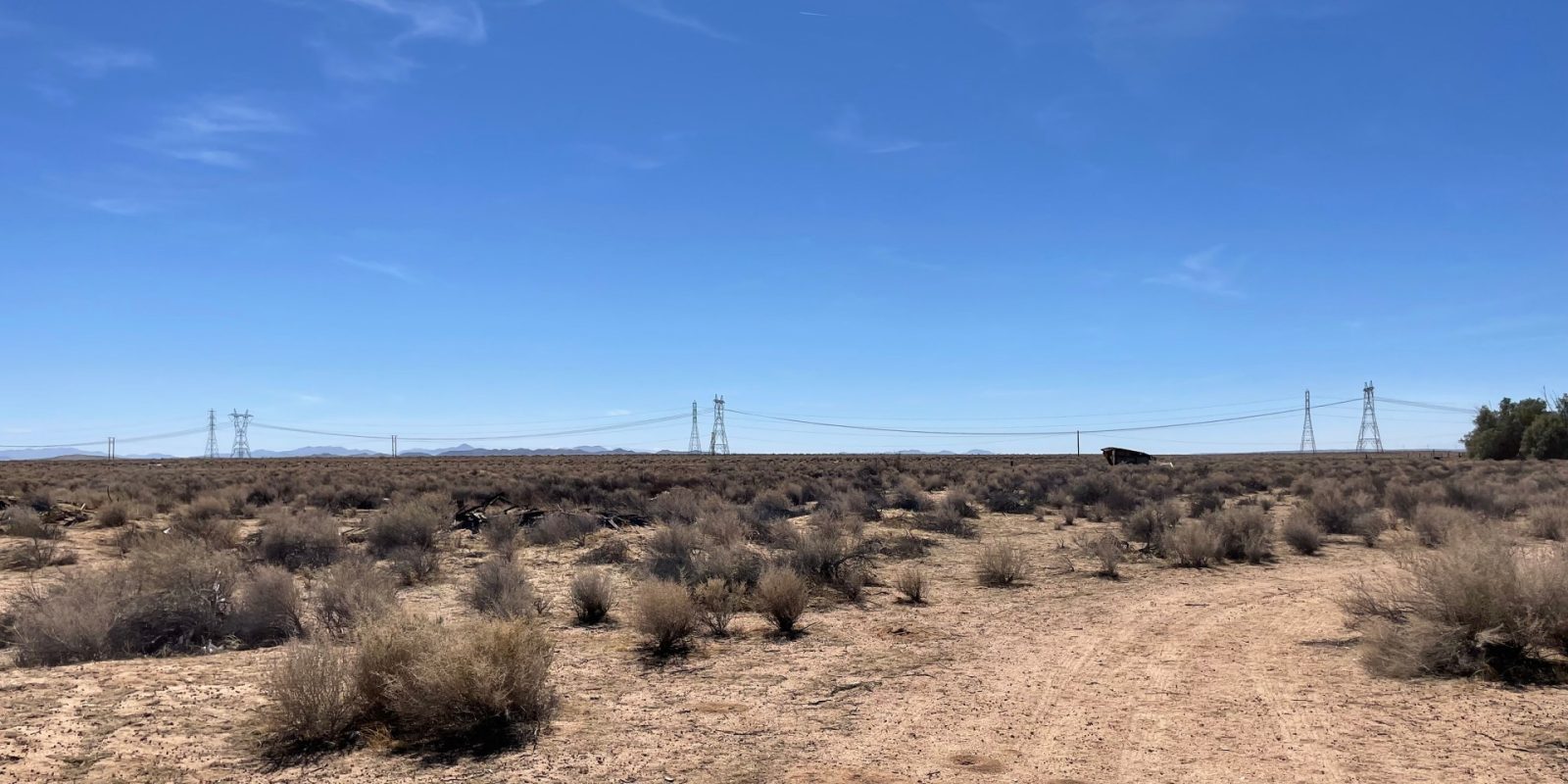
Sodium-ion technology offers distinct advantages for California's grid demands. These batteries tolerate temperature swings better than lithium alternatives, making them ideal for desert and inland valley installations where summer peaks exceed 120 degrees Fahrenheit. Sodium-ion chemistry also eliminates reliance on lithium, cobalt, and nickel—materials subject to supply chain volatility and mining-related geopolitical tensions.
Alsym Energy's sodium-ion cells deliver comparable energy density to older lithium chemistries while cost competitive with newer lithium iron phosphate (LFP) cells. The 500 MWh deployment positions California ahead of other states in diversifying battery portfolios beyond lithium dominance. This hedges against future supply disruptions and reduces grid vulnerability to single-chemistry dependencies.
The timing aligns with California's 2030 energy storage mandate, which requires at least 11.5 GWh of storage capacity. Current deployments lean heavily on lithium-ion systems. Adding sodium-ion alternatives provides grid operators flexibility during peak demand periods while thermal stress tests lithium cells.
Juniper Energy focuses on utility-scale solar plus storage projects. The partnership expands its competitive positioning against developers relying exclusively on lithium suppliers. As grid operators and developers face procurement delays and commodity price swings, alternative battery chemistries become practical hedges.
Sodium-ion remains nascent at utility scale. CATL, the world's largest battery manufacturer, recently ramped sodium-ion production. Other players including Faradion and Relion pursue commercialization. California's 500 MWh bet validates market