China's domestic auto market contracted for the seventh consecutive month in April, forcing the country's manufacturers to lean heavily on export sales to sustain revenue. This prolonged slump underscores a dramatic shift in how Chinese automakers operate.
The domestic decline reflects brutal competitive pressure. Overcapacity plagues the Chinese market as dozens of brands compete for shrinking consumer spending. Price wars have decimated margins. Traditional players like Volkswagen, General Motors, and Geely face relentless pressure from EV specialists like BYD and NIO, which have captured massive market share through aggressive pricing and rapid innovation.
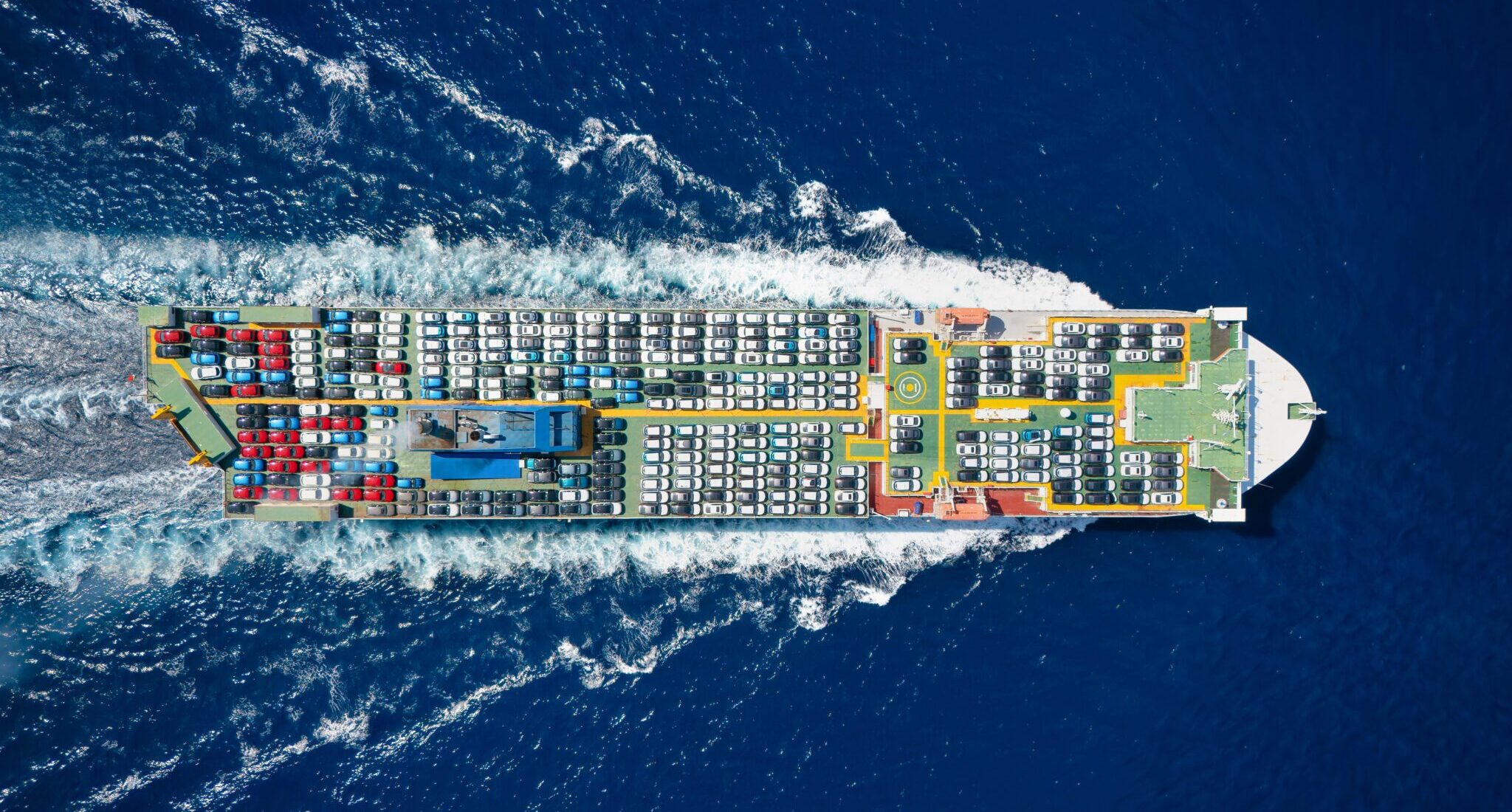
Exports have become the lifeline. Chinese automakers shipped record volumes in April as they redirected inventory away from a saturated home market. Brands including BYD, Li Auto, and Nio now prioritize international expansion into Europe, Southeast Asia, and beyond. This strategy works because Chinese EVs offer premium technology at mid-range prices, a combination that resonates globally.
The export boom carries geopolitical weight. Western tariffs and trade restrictions have failed to slow Chinese automotive expansion. European regulators continue raising duties while the US maintains aggressive barriers, yet Chinese brands keep gaining ground in markets less hostile to Beijing's industrial policy.
For global competitors, this matters enormously. Japanese, Korean, and German manufacturers face increasingly capable Chinese rivals armed with cost advantages and fast-improving tech. Traditional automakers in those regions rely on their home markets for stability. Chinese makers treat exports as essential operations, not optional revenue.
The seven-month domestic collapse signals deeper structural problems for China's auto sector. Overbuilding capacity remains chronic. Consumer confidence has weakened as economic growth slows and the middle class hesitates on major purchases. Electric vehicle adoption has plateaued after initial explosive growth.
Chinese automakers must export or shrink. That reality drives their aggressive global expansion. It also guarantees continued