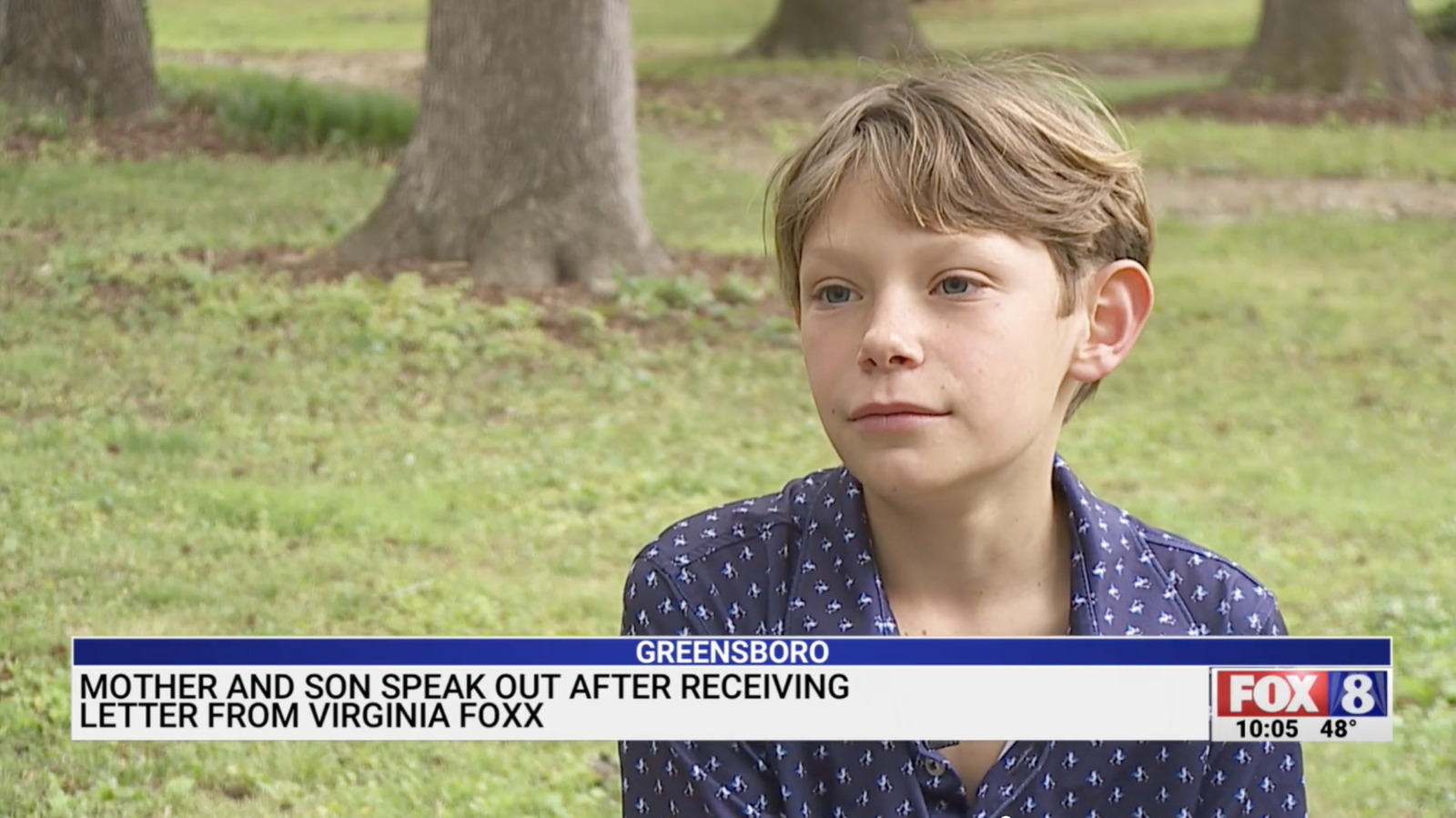
A 10-year-old student's classroom assignment about electric vehicle benefits triggered a sharp political response from U.S. Congresswoman Virginia Foxx. The child sent Foxx a letter outlining EV advantages, a typical civics exercise where students reach out to elected representatives. Foxx's reply accused the student of being subjected to propaganda and indoctrination, rather than engaging substantively with the letter's content.
The incident highlights how polarized the EV debate has become in American politics. What once was an engineering and environmental question now divides along partisan lines. Foxx represents North Carolina's 5th District and has consistently opposed EV mandates and electric vehicle subsidies. Her response to a schoolchild's earnest assignment reveals how deeply the culture war around transportation electrification runs.
The congresswoman's reaction contrasts sharply with typical congressional etiquette. Lawmakers routinely receive constituent mail from students and generally respond with encouragement, even when disagreeing with the letter's premise. A substantive policy disagreement with a 10-year-old's classroom project differs markedly from accusing the child of intellectual capture.
The EV market continues expanding regardless of political posturing. General Motors, Ford, and Tesla are investing hundreds of billions in electric vehicle development. Battery costs keep dropping, charging infrastructure expands, and consumer adoption accelerates. Schools incorporate EVs into science curricula because the technology shapes transportation's future, not as political messaging.
The broader takeaway reflects a troubling trend where education itself becomes suspect among certain political factions. If discussing renewable energy or electric vehicles constitutes propaganda, then science instruction itself becomes battleground territory. Schools face increasing pressure from parents and politicians questioning curriculum content on climate, energy, and transportation technology.
Whether one supports or opposes EV adoption, dismissing a child's classroom letter as indoctrination rather than engaging its arguments represents