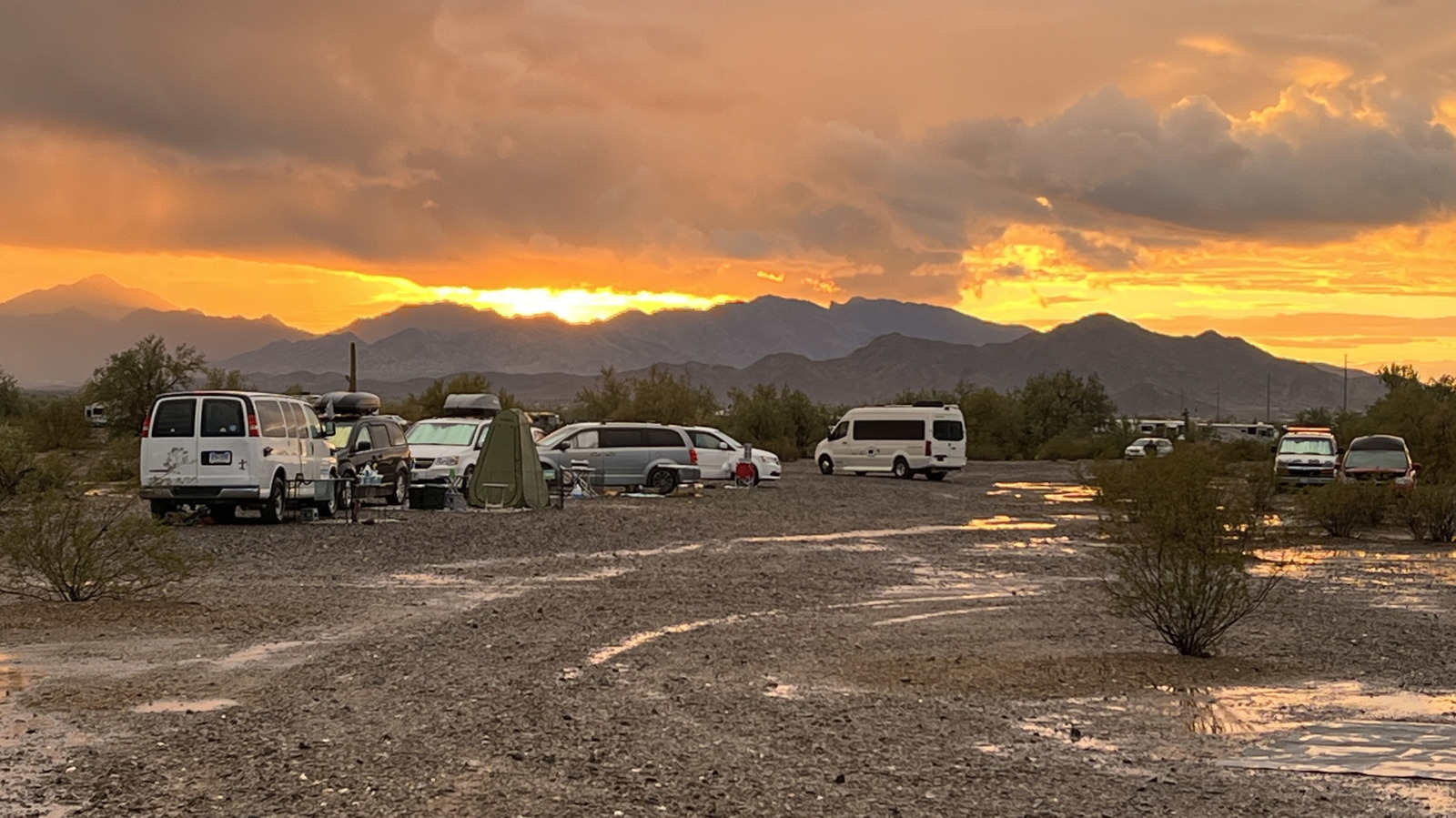
# The Desert Nomads Reshaping American Road Culture
A growing community of automotive nomads has established itself across the Arizona desert, fundamentally shifting how Americans approach vehicle living and travel. These nomads represent a diverse demographic, united by a shared rejection of traditional housing and a commitment to mobility.
The movement reflects broader economic and lifestyle trends. Rising housing costs in urban centers push people toward van life and RV living as practical alternatives. Remote work capabilities enable professionals to maintain income while traveling. Others pursue the lifestyle for freedom, adventure, or escape from conventional society constraints.
Arizona's desert landscape serves as a hub for this community. Affordable camping, mild winters, and established nomad networks create ideal conditions for extended stays. Public lands offer free or low-cost camping options. Small towns provide essential services without the restrictions of urban living.
The vehicles themselves vary widely. Full-size RVs, converted vans, truck campers, and custom builds all populate this ecosystem. Some nomads invest heavily in off-grid capabilities, solar power, and water systems. Others embrace minimalist setups, prioritizing mobility over comfort. The diversity of vehicles mirrors the diversity of people choosing this lifestyle.
What drives individual nomads differs considerably. Some escape financial pressures or job loss. Others pursue artistic projects or long-delayed adventures. Digital professionals maintain careers while exploring the country. Retirees stretch fixed incomes further than traditional housing allows.
This community challenges conventional definitions of American home and stability. It demonstrates a market for alternative living that the traditional automotive and housing industries are only beginning to address. Van conversions, truck beds, and RV modifications have become increasingly sophisticated as demand grows.
The Arizona desert nomad community represents neither temporary travel nor permanent settlement, but something distinctly modern. It offers insight into how changing economics, remote work technology, and shifting values reshape American mobility and identity.