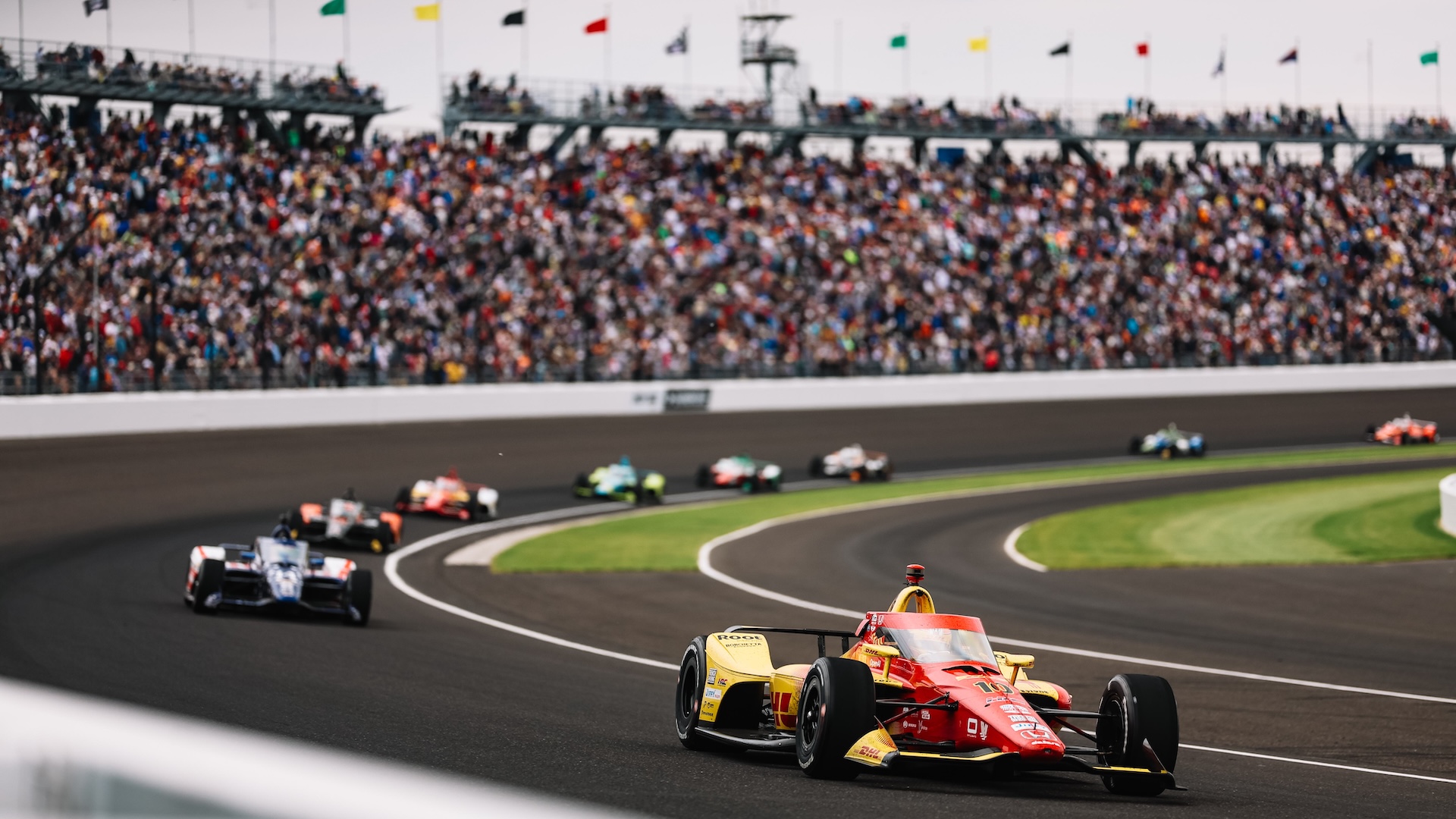
The Indianapolis 500 has sold out for the second consecutive year, with all grandstand and general admission seats claimed for the 110th running of the legendary race. The sellout confirms the event's continued grip on American motorsport culture and reflects strong fan appetite for IndyCar's flagship event.
The sellout carries extra weight given the sport's smaller footprint compared to NASCAR or Formula 1. Indianapolis Motor Speedway holds roughly 400,000 spectators, but the complete sell-through demonstrates that IndyCar remains a draw in an increasingly crowded sports calendar. Ticket availability for the Indy 500 typically tightens in the weeks before the race, but reaching full capacity two years running signals sustained enthusiasm.
One relief for fans unable to attend in person: local television blackouts have been lifted. This shift matters. For decades, TV blackouts during live events functioned as a financial incentive to drive attendance. The decision to broadcast freely suggests track officials and IndyCar believe the event's appeal and attendance will hold without that restriction. It also expands the audience to regional viewers who might otherwise miss the race entirely.
The Indy 500 generates massive economic activity around May each year, drawing teams, sponsors, and fans to central Indiana. A two-year sellout streak indicates no erosion in that tradition, even as IndyCar navigates a competitive landscape where Formula 1 has expanded its American presence through multiple races and interest in electric racing continues to grow.
Tickets for future runnings should command attention immediately. Any race with full capacity weeks before the event fires up sits in rare company. The Indy 500 has held that status before, but confirming it back-to-back validates that the race remains the jewel of American open-wheel racing and one of the three Triple Crown events in motorsport alongside Monaco and Le Mans.