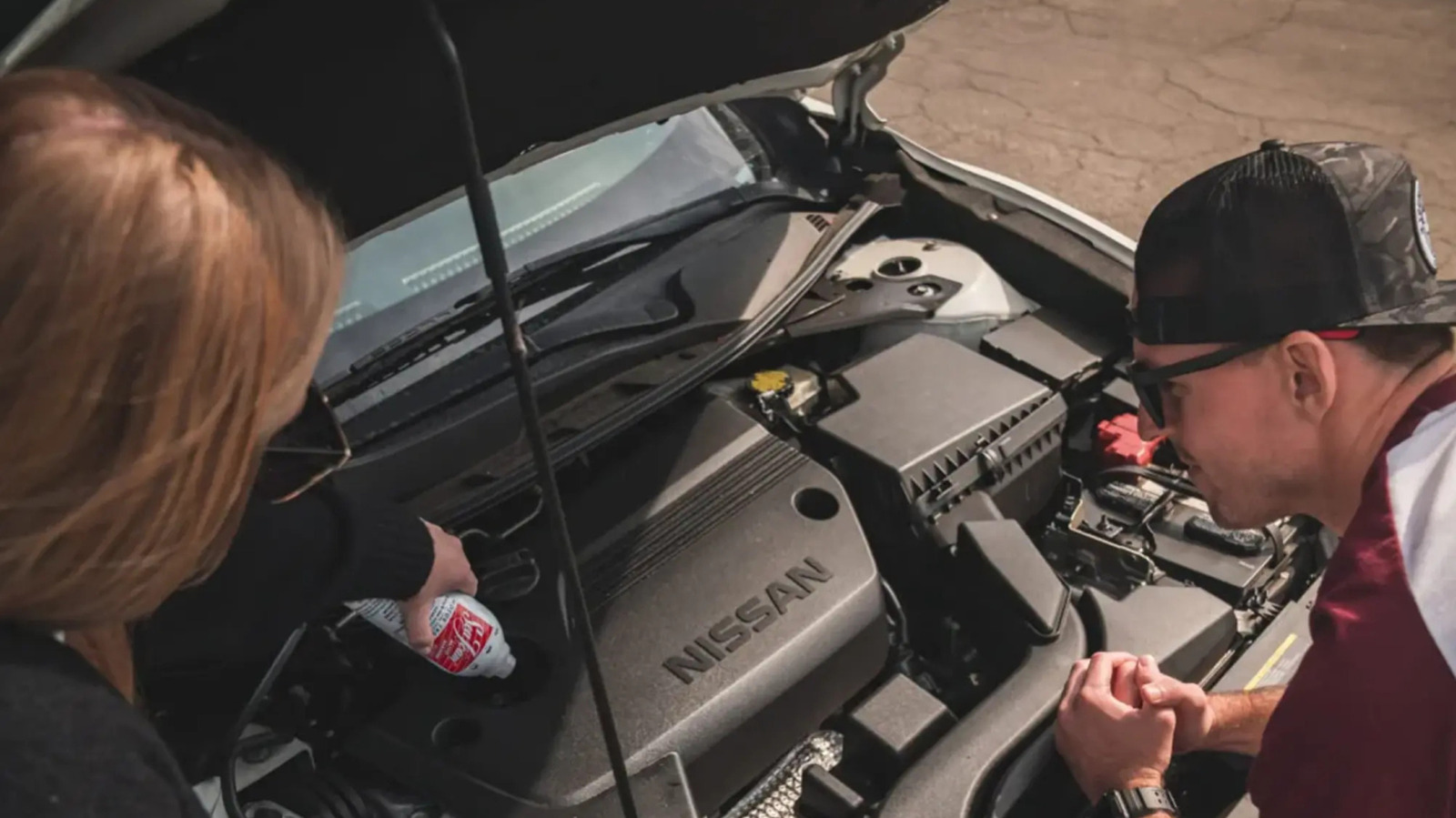
Sea Foam Motor Treatment costs less than $15 per bottle, but DIY enthusiasts wonder whether homemade alternatives can match its cleaning power at even lower cost.
Sea Foam works by dissolving fuel system deposits, carburetor varnish, and intake valve buildup. The commercial product combines petroleum distillates with detergents designed to restore fuel atomization and combustion efficiency. It treats about 16 gallons of fuel per bottle.
Homemade versions attempt to replicate this function using common household or automotive supplies. Acetone, a solvent found in some nail polish removers, breaks down carbon deposits similarly to Sea Foam's active ingredients. Some mechanics recommend mixing acetone with diesel fuel or running it through the fuel system neat at low concentrations. Isopropyl alcohol, another common solvent, offers similar properties but less aggressive cleaning action.
The catch: concentration matters. Too much solvent damages fuel injectors and seals. Too little produces no meaningful results. Sea Foam's formulation handles this precisely. Homemade batches require careful measurement and understanding of fuel system chemistry. Professional mechanics largely avoid DIY fuel additives for liability reasons.
Cost savings prove modest. A bottle of Sea Foam runs $12-14. Acetone costs roughly $5-8 per gallon, but you need only small quantities. Most DIY versions save perhaps $5-10 compared to buying Sea Foam outright.
For drivers seeking deposit cleaning on a budget, alternatives exist. Techron, Redline, and Gumout offer comparable commercial products in the same price range. Regular fuel changes and quality gasoline from major brands contain detergents that prevent heavy deposit buildup in the first place.
Homemade Sea Foam substitutes work if mixed correctly, but the risk-to-reward ratio rarely justifies brewing your own