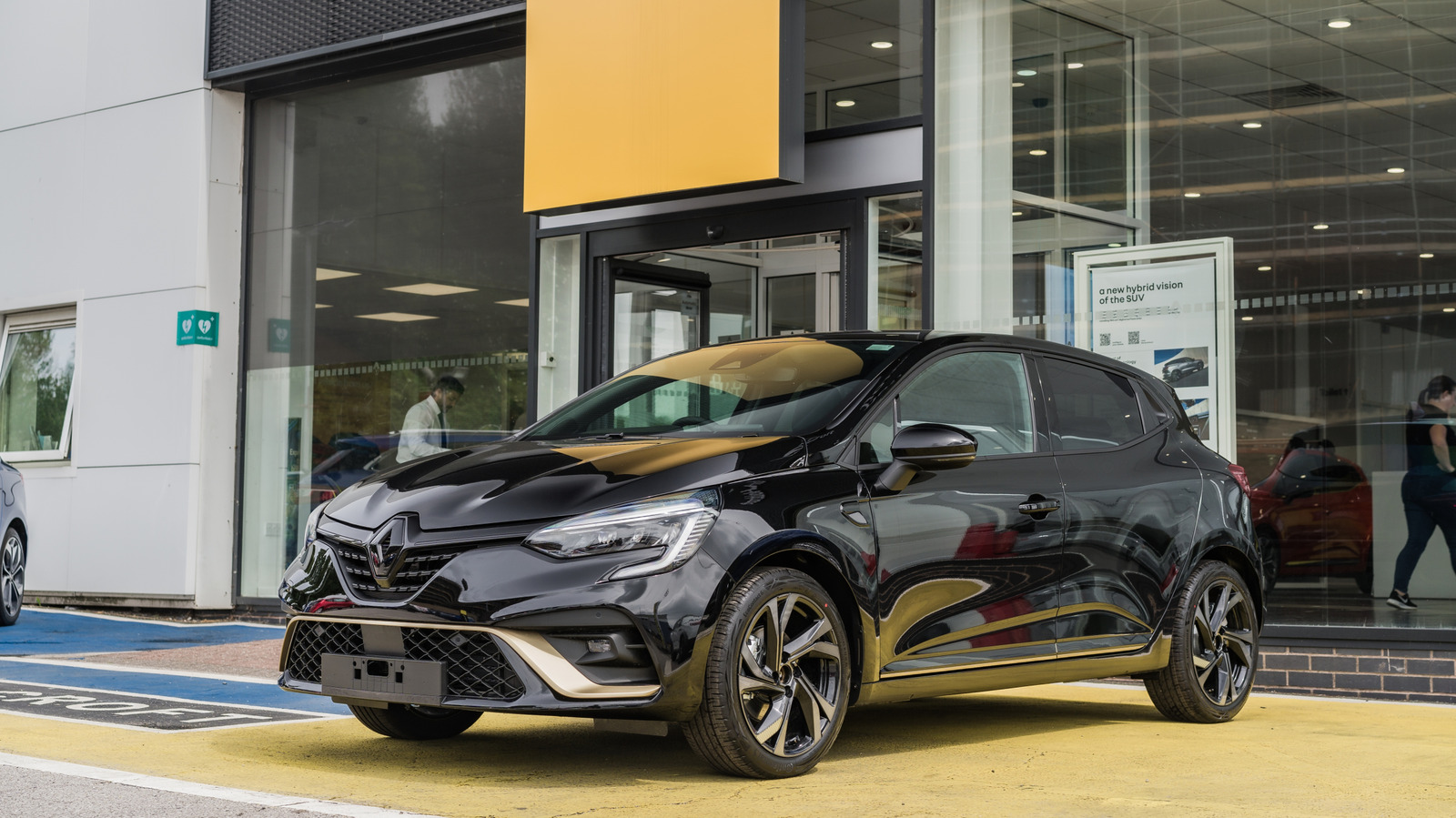
Whether a dealership provides a loaner car during service depends entirely on dealership policy, not legal requirement. Most manufacturers do not mandate that dealers offer loaners, leaving the decision up to each location.
Major brands handle this differently. BMW, Mercedes-Benz, and Lexus frequently offer loaners as part of their premium service experience, though availability varies by dealer and service type. Ford, General Motors, and Toyota dealers typically reserve loaners for warranty work or major repairs lasting multiple days. Budget-conscious brands like Hyundai and Kia offer loaners less consistently across their networks.
Several factors determine loaner availability. Extended service appointments, warranty coverage, and vehicle age all influence whether dealers hand over keys. Dealers with larger fleets manage loaner programs more easily than smaller operations. Some dealerships charge fees for loaners if the service falls outside warranty coverage or involves routine maintenance.
The loaner experience itself varies wildly. You might receive a current-model vehicle identical to yours, or a basic sedan from a rental fleet. Some dealers offer nothing beyond a courtesy shuttle or rental car discounts.
Your best approach involves calling ahead. Ask whether your service qualifies for a loaner before dropping off your vehicle. If denied, negotiate. Dealers sometimes waive loaner fees or provide alternatives if you push back, particularly for lengthy repairs or if you're a repeat customer.
Warranty work almost always includes loaner availability if the dealership participates in manufacturer programs. For maintenance outside warranty, expect to ask directly and potentially pay. Check your owner's manual or contact customer service to understand what your specific brand covers. Don't assume any dealership offers loaners without confirmation.