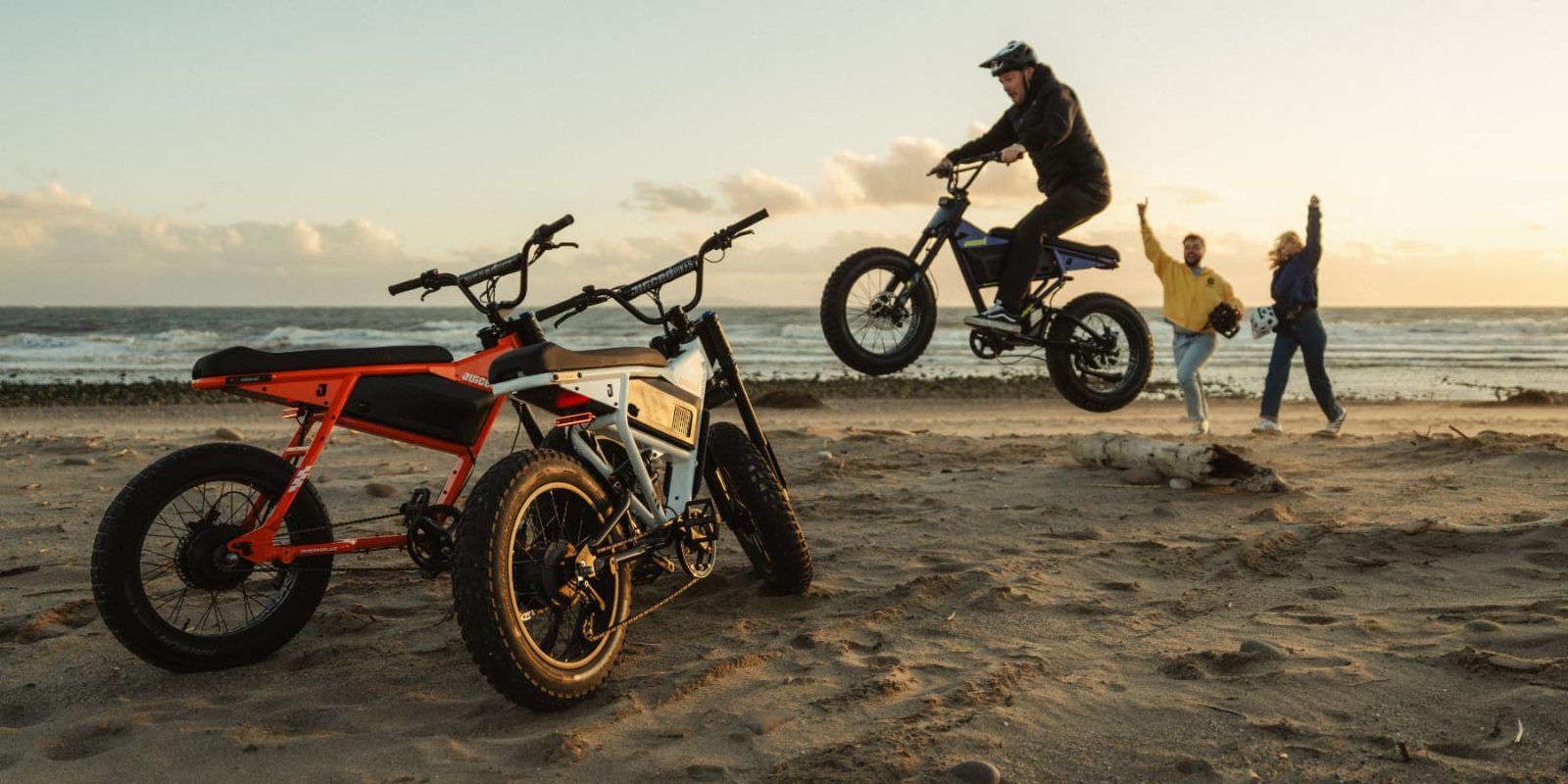
Teenagers increasingly want high-performance e-bikes, but parents worry about safety. A new generation of electric bikes aims to split the difference between capability and responsible design.
The conflict centers on competing needs. Teens view fast e-bikes as essential social currency, crucial for group riding and fitting in. Parents see documented crash videos and reckless riding incidents online, creating legitimate safety concerns about underdeveloped decision-making in younger riders.
E-bikes have exploded in popularity, with performance models now reaching speeds that rival motorcycles. The fastest models exceed 50 mph, well beyond what most teenagers should handle. Yet standard "kid-safe" e-bikes feel underpowered to older teens, making them social liabilities rather than practical transportation or recreation tools.
Manufacturers now recognize this gap. A new class of e-bikes enters the market with moderate power delivery, responsible speed governors, and built-in safety features designed specifically for teenage riders. These bikes typically deliver sufficient performance to satisfy social acceptance while incorporating technological brakes on raw speed and acceleration.
The compromise works on multiple fronts. Controlled power output prevents the catastrophic wipeouts that plague unregulated high-performance machines. Speed limiters cap top velocity at levels manageable for developing motor control and decision-making skills. Some models include GPS tracking and riding analytics that let parents monitor behavior without helicopter-parenting.
Juiced Bikes and competing manufacturers increasingly target this middle ground, offering e-bikes that feel genuinely capable rather than patronizing. The key difference lies in electronic governance rather than mechanical limitation. Riders get legitimate performance and peer credibility without accessing the full dangerous envelope that adult models provide.
This approach acknowledges reality. Banning e-bikes fails because teenagers find them anyway. Buying an underpowered model guarantees it collects dust while the teen finds ways to ride something faster. The engineering solution provides actual