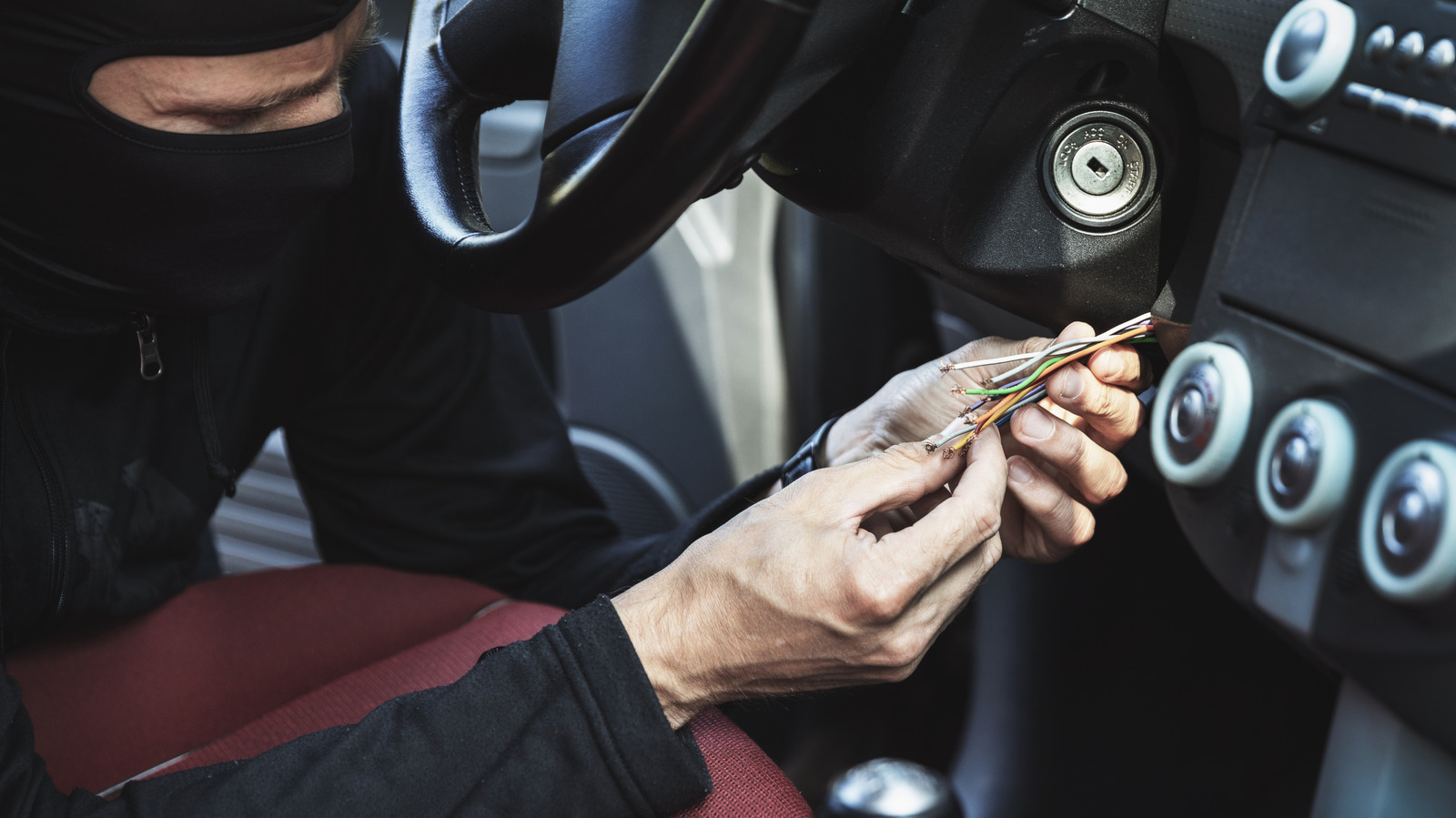
Modern cars have made hotwiring functionally impossible, contrary to what Hollywood portrays on screen. The days of bypassing the ignition system by twisting a few wires together are gone.
Today's vehicles rely on sophisticated anti-theft systems that go far beyond the simple mechanical ignition switches of older cars. Most modern vehicles use immobilizers, which are electronic systems that prevent the engine from starting unless the correct key fob or transponder chip communicates with the car's computer. Even if a thief managed to access the steering column and identify the right wires, the engine simply will not turn over without that encrypted signal.
Luxury and performance brands took this further. Many high-end vehicles integrate biometric systems, GPS tracking, and kill switches that cut fuel and ignition when tampering is detected. Mainstream manufacturers like Toyota, Honda, Ford, and Chevrolet all equipped their fleets with immobilizers by the early 2000s, making unauthorized ignition nearly impossible.
The engineering shift reflects real-world theft data. Insurance Institute for Highway Safety data shows vehicle theft rates dropped significantly after widespread immobilizer adoption. Older cars without these systems remain targets for thieves because the barrier to entry is low. A 1990s Honda Civic can still be stolen in minutes. A 2020 model requires specialized equipment and digital expertise.
What remains viable for criminals is relay attacks, where thieves intercept the wireless signal between your key fob and car, or ECU hacking, which requires laptops and technical knowledge. Neither resembles the dramatic movie scenes of screwdrivers and twisted wires.
For legitimate owners locked out of their vehicles, calling a locksmith or roadside assistance remains the practical solution. Modern security protects your investment at the cost of accessibility.