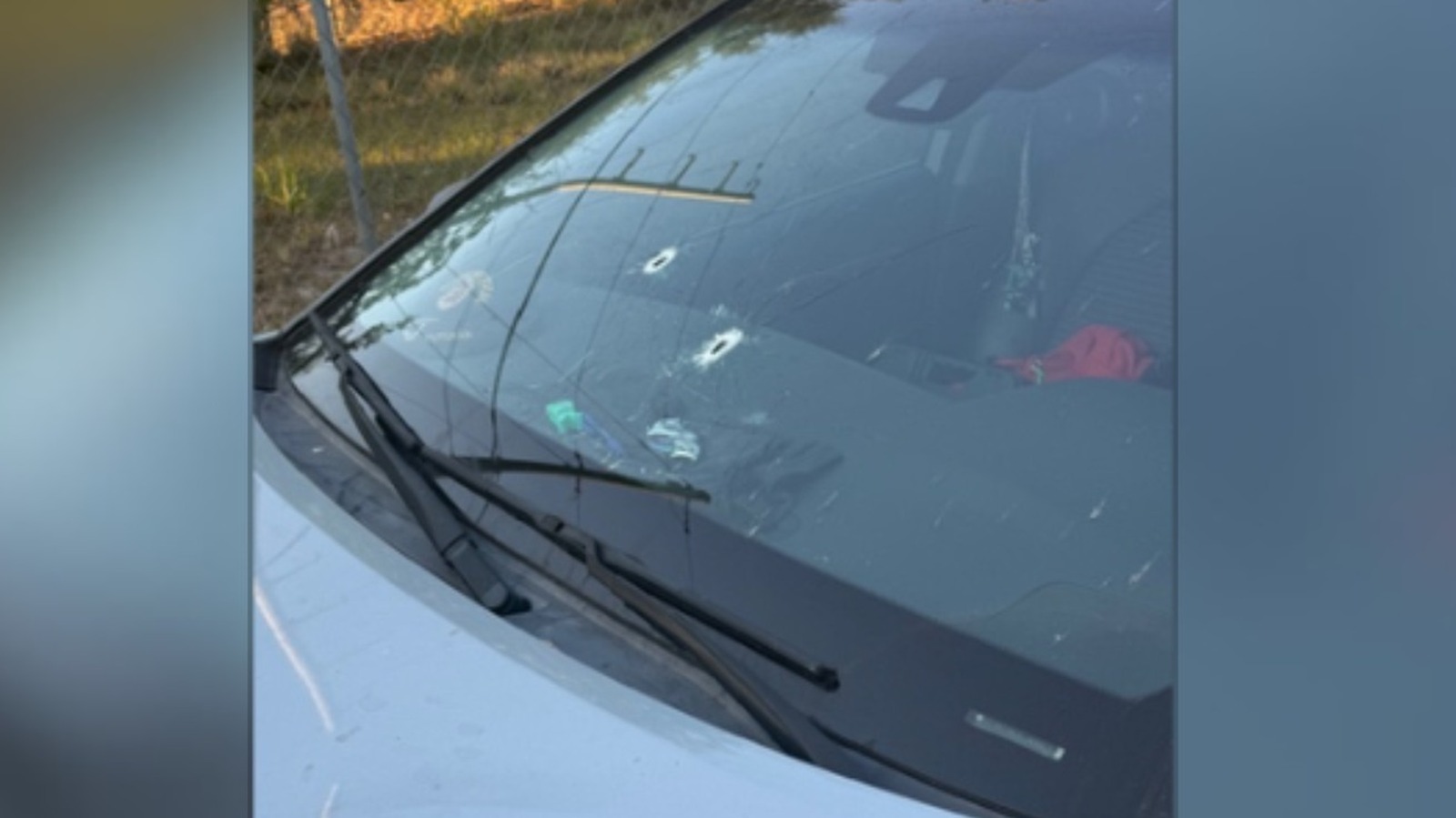
A Florida driver opened fire on another vehicle after being brake checked, firing multiple shots that pierced the windshield and rear seat where a child's booster seat sat. The shooter displayed no remorse for the incident, according to law enforcement.
The attack represents an extreme escalation of road rage, a persistent problem on American highways. Brake checking, while annoying and sometimes dangerous, typically triggers honking, gestures, or angry words. Lethal force remains rare but not unprecedented in these situations.
Road rage shootings have gained visibility in recent years as dashcam footage and social media spread awareness of aggressive driving incidents. The incident underscores how quickly traffic confrontations can turn violent, especially when firearms enter the equation.
Florida's relatively permissive gun laws and stand-your-ground legislation create a legal environment where armed drivers operate with fewer restrictions than in other states. The presence of a child in the target vehicle added severe jeopardy to what started as a traffic dispute.
Authorities did not release specifics about charges or whether the shooter would face attempted murder charges given the proximity of the booster seat. The child's safety status remained unclear from available information.
This shooting fits a broader pattern of escalating road rage incidents tied to increased traffic congestion, stress, and easy access to firearms. Driver education campaigns and traffic law enforcement focus on preventing brake checking and other aggressive maneuvers, but they cannot eliminate the risk when armed drivers lose their temper.
The incident serves as a stark reminder that road conflicts can turn fatal without warning. De-escalation, distance, and avoiding confrontation remain the only reliable defenses against armed aggression on public roads.