Hybrid vehicles employ multiple charging strategies to replenish battery capacity during driving, fundamentally improving fuel economy compared to conventional engines. The approach varies based on powertrain architecture.
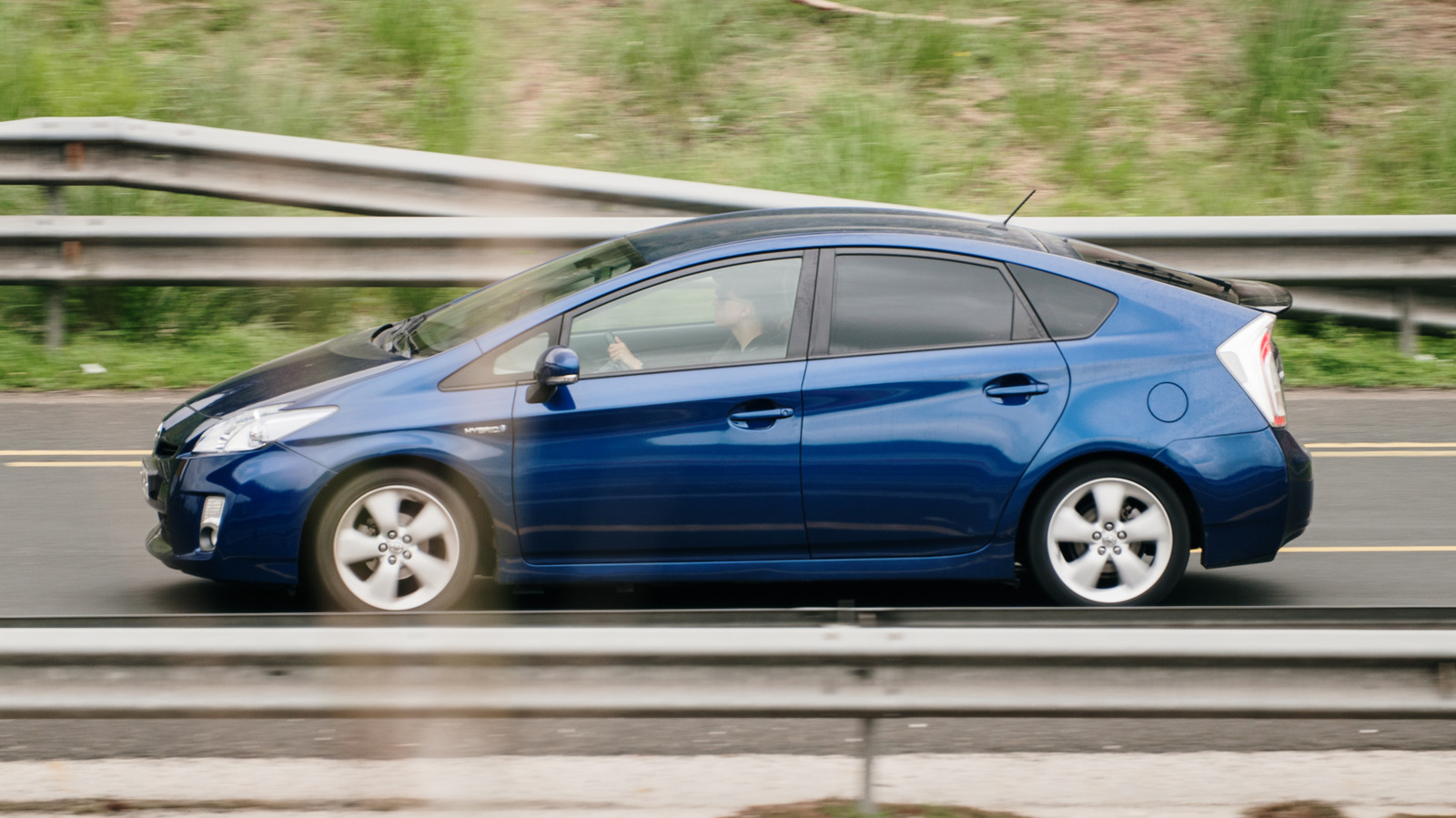
Regenerative braking ranks as the primary charging method. When a driver lifts off the accelerator or applies the brakes, the electric motor reverses function and becomes a generator. It captures the kinetic energy normally lost as heat in conventional brake systems and converts it into electrical current that flows back into the battery pack. This system works across both parallel hybrids like the Toyota Prius and series hybrids like the Chevrolet Volt.
Series hybrids operate differently. The gas engine runs at optimal RPM independent of vehicle speed, driving a generator that charges the battery while simultaneously powering the electric motor. This approach decouples engine speed from wheel speed, allowing the engine to operate in its most efficient range. The Volt uses this strategy exclusively.
Parallel hybrids split power delivery between engine and motor. During cruising at highway speeds, the gas engine handles most propulsion while the electric motor charges via regenerative braking. At low speeds, the motor takes over entirely, saving fuel in city driving. Toyota's Prius and Honda's Civic Hybrid exemplify this design.
Plug-in hybrids add external charging capability. Models like the BMW X5 45e and Jeep Wrangler 4xe can charge from a wall outlet or DC fast charger, supplementing the onboard regenerative systems. This hybrid category offers greater all-electric range than traditional hybrids.
The efficiency gains prove measurable. Regenerative braking systems recover 10-20 percent of braking energy on average, with higher percentages in stop-and-go city driving. Highway mileage gains prove smaller since braking events occur less frequently.
Automakers continue