E-bike adoption has shifted fundamentally from novelty gadget to practical transportation. A veteran rider's perspective reveals how the category evolved from treating electric bikes as "tiny electric motorcycles with pedals" to embracing their core function as pedal-assist vehicles.
The author built one of perhaps six e-bikes in a city of 400,000 around 2009-2010, sourcing mail-order parts and retrofitting an old frame before the industry standardized anything. That era lacked formal regulations. The 3-class system defining motor power limits and assist speeds didn't exist yet. E-bikes existed in regulatory gray zones and public perception limbo.
Today's market looks unrecognizable. E-bikes are mainstream. Supply chains function. Purpose-built frames arrive from manufacturers. The industry has mature classifications: Class 1 caps assist at 20 mph with pedaling only. Class 2 adds throttle capability. Class 3 pushes to 28 mph. These standards emerged because regulators and riders demanded clarity.
The attitude shift matters most. Early adopters like the author initially relied on motor power as the primary propulsion method, sidelining the pedal component. Modern riders understand e-bikes differently. They're bicycles enhanced with battery assistance, not scooters pretending to be bikes. The pedal remains central to the experience and the vehicle's identity.
This reframing reflects broader transportation trends. Urban commuters favor e-bikes for traffic avoidance and fitness benefits. Cargo e-bikes replace car trips. Casual riders use pedal-assist for terrain and fitness flexibility. The motor becomes a tool, not a crutch.
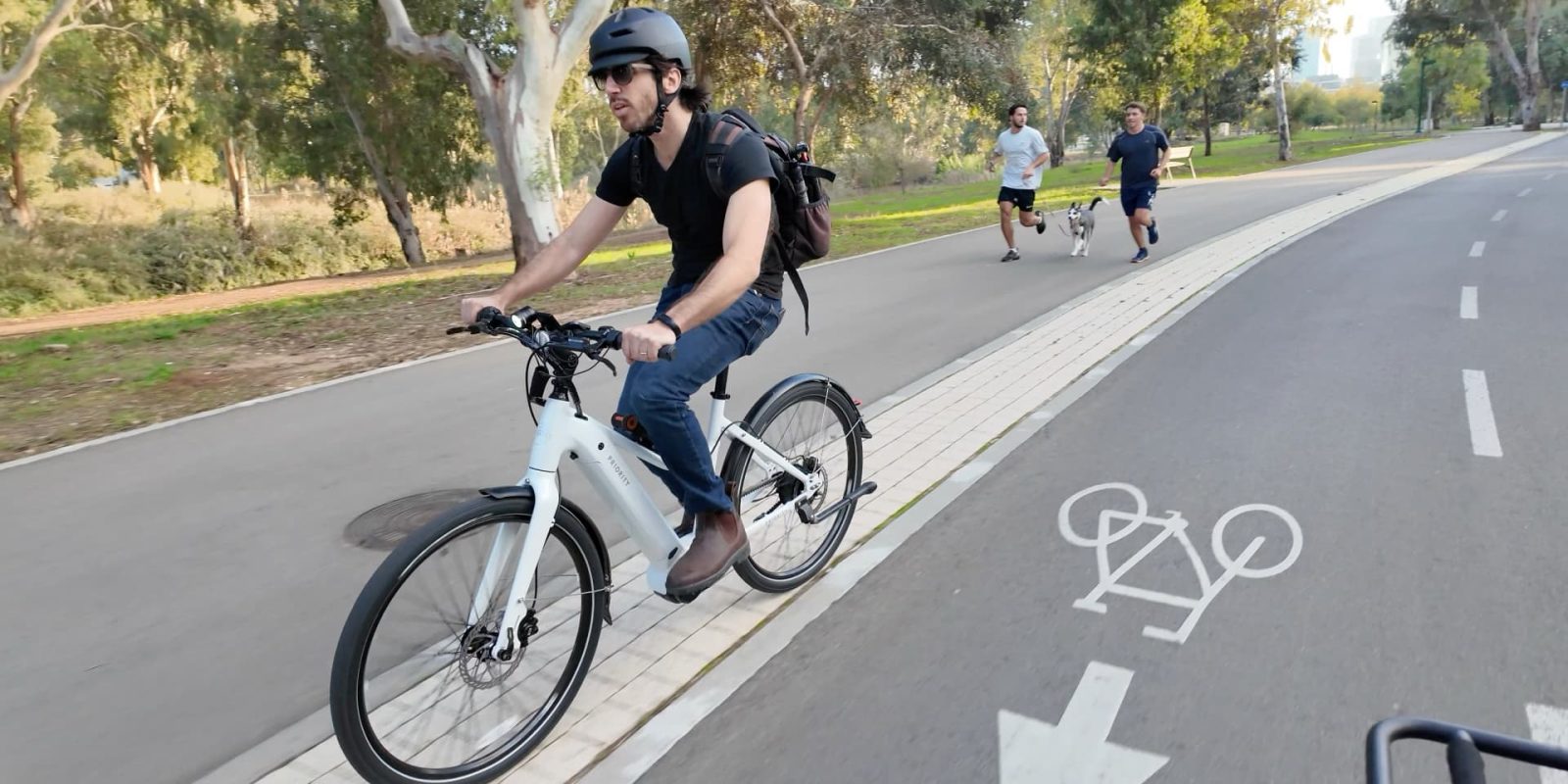
Current models like Priority's Current Plus exemplify the shift. They balance motor power with genuine pedaling engagement, offering efficient commuting without total reliance on electricity. Range, cargo capacity, and ride quality take