Toyota's Supra didn't arrive as an instant icon. The first-generation model launched in 1978 as essentially a turbocharged Celica with a longer wheelbase and more aggressive styling. It carried over the Celica's 2.6-liter inline-six engine, producing 110 horsepower, modest power for a car aiming to compete in the sports car segment.
The transformation happened gradually. By the second generation in 1986, Toyota dropped the Celica platform entirely and developed a purpose-built sports car. The new Supra received a 3.0-liter inline-six with 200 horsepower. Handling improved dramatically with independent double-wishbone suspension at all four corners. Toyota finally had a genuine performance car.
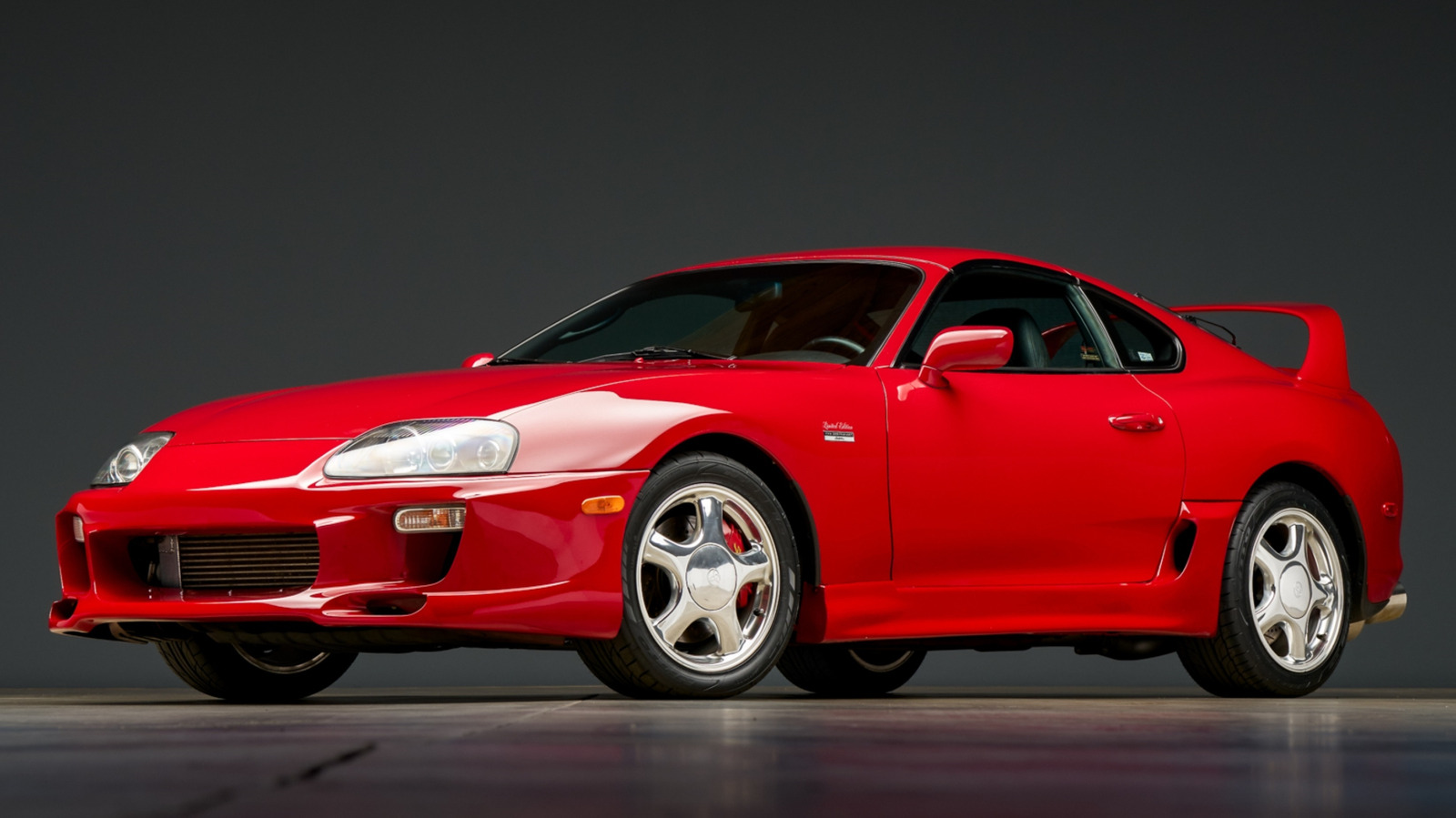
The third-generation Supra, launched in 1993, became the legend. That model paired a turbocharged 3.0-liter six-cylinder producing 320 horsepower with a six-speed manual transmission. The 2JZ-GTE engine proved bulletproof and tunable, spawning countless modified versions capable of 1,000 horsepower and beyond. That generation defined the Supra's golden era, cementing its status in JDM culture and Fast and Furious fandom.
Production ended in 2002 after 24 years. Toyota shelved the nameplate for nearly two decades before reviving it in 2019 as a BMW-sourced four-cylinder turbocharged sports car. The modern A90 Supra uses a 3.0-liter six-cylinder with 382 horsepower, returning to six-cylinder roots but relying on Bavarian engineering rather than in-house development.
The journey from Celica variant to icon reveals how automotive legends build themselves. Persistence and continuous