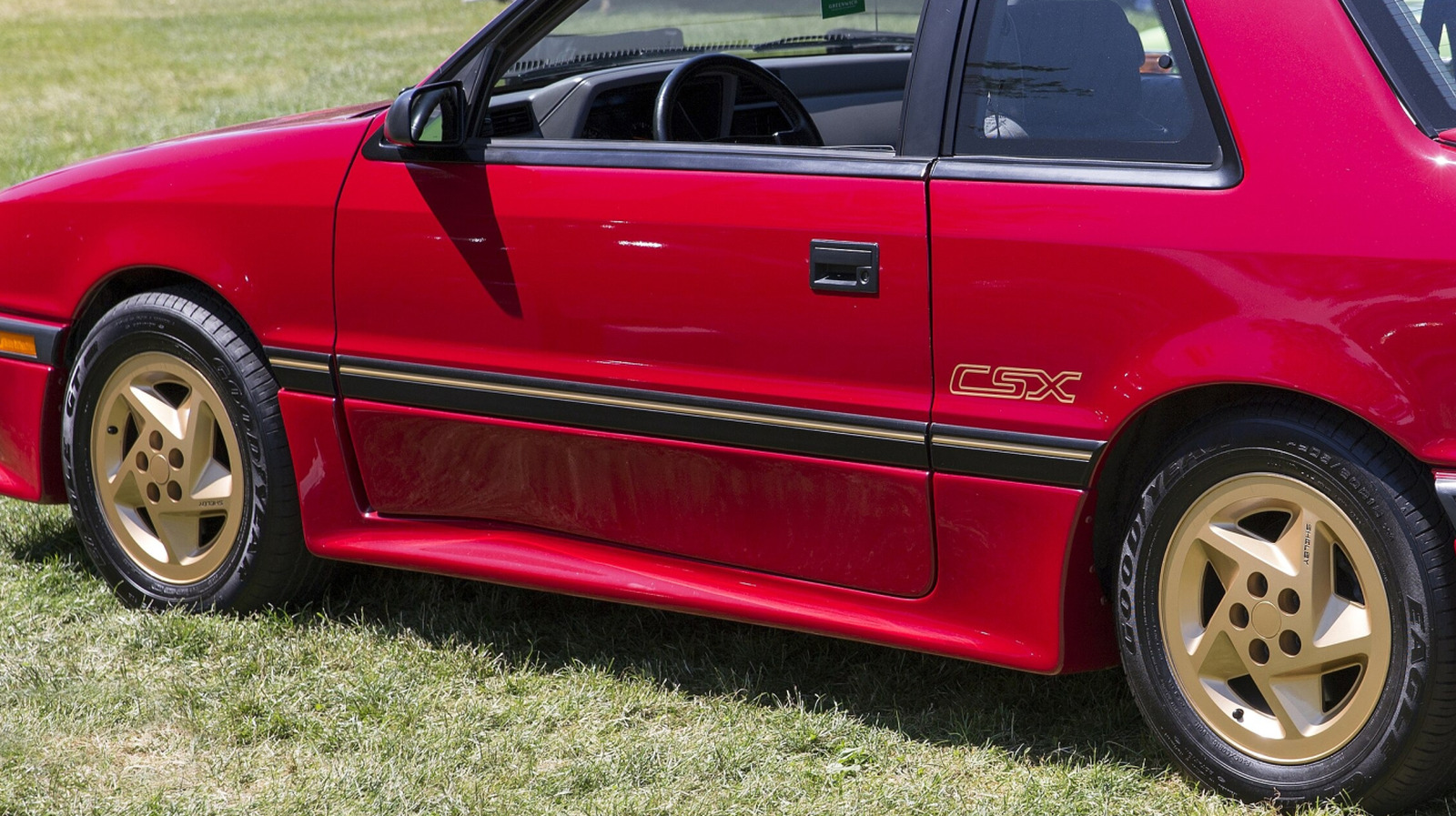
A boutique automaker has equipped a limited-production vehicle with fiberglass wheels, challenging the aluminum and steel dominance in wheel manufacturing. The fiberglass construction delivers substantial weight savings compared to traditional metal alloys, a critical advantage for both performance and efficiency.
Fiberglass wheels offer distinct engineering benefits. The material reduces unsprung weight, allowing suspension components to respond more quickly to road surfaces. Lower mass at the wheel also improves acceleration, braking distance, and overall fuel efficiency. For electric vehicles, shedding rotational mass translates directly to extended range. The cost trade-off remains steep. Fiberglass wheels cost considerably more to produce than aluminum, limiting their adoption to specialty and limited-run models where premium pricing justifies the expense.
The wheels themselves appear conventional to observers. They maintain the aesthetic appeal of forged aluminum while delivering performance advantages typically associated with carbon fiber components. This visual consistency matters for manufacturers targeting enthusiasts who care about actual performance rather than flashy visual upgrades.
The fiberglass approach sits between standard aluminum and exotic carbon fiber in the material hierarchy. Carbon wheels weigh less but command five-figure price tags. Fiberglass delivers meaningful weight reduction at more achievable costs, though still premium pricing.
This development reflects broader industry trends toward lightweighting. OEMs continue exploring alternative materials to meet emissions standards and improve EV range. Manufacturers already deploy carbon fiber extensively in high-end sports cars. Fiberglass wheels represent a more accessible middle ground for boutique producers and specialty versions of mainstream models.
The limited-production status prevents mass-market adoption. However, this experiment demonstrates that fiberglass wheels can deliver durability and performance without sacrificing reliability. As production techniques improve and material costs decline, fiberglass wheels could eventually trickle down to wider vehicle segments, particularly in the EV segment where weight reduction remains a priority.