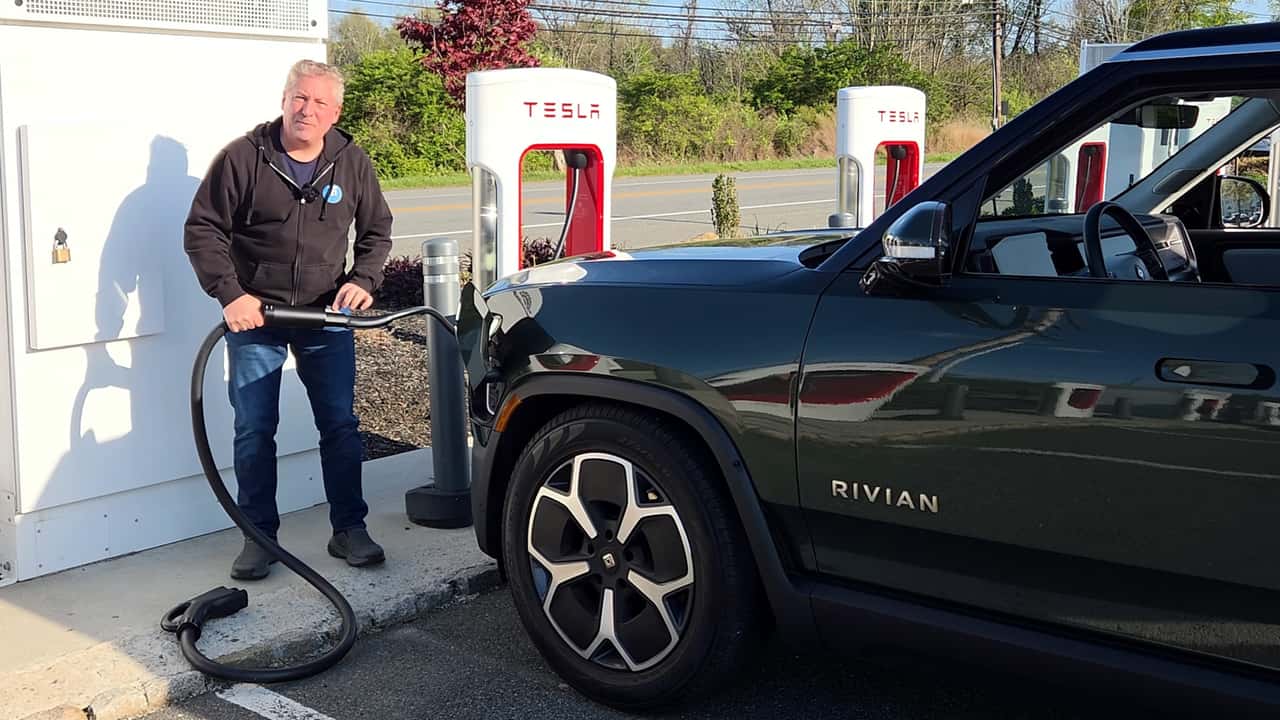
Hansshow released a second-generation Supercharger extension cable aimed at addressing complaints about its first iteration. The new cable targets a genuine pain point for Tesla owners. Longer charging reach lets drivers park further from Supercharger stalls, a practical benefit for congested charging stations or awkward lot layouts.
The first-generation cable had clear shortcomings. Users reported durability issues, connection reliability problems, and build quality that didn't match Tesla's standards. Hansshow marketing promised the generation two design would solve these problems with improved materials, better connectors, and refined engineering.
Testing reveals the new cable still falls short of expectations. Experts found connection inconsistencies between the extension and Tesla's connector. The cable's durability improvements exist but remain marginal. Real-world charging speeds occasionally drop below rated capacity, suggesting resistance issues in the extended line.
The cable addresses a legitimate market need. Tesla's Supercharger infrastructure forces tight parking angles at many stations. An extension cable that genuinely works would provide meaningful flexibility. But Hansshow's execution continues to disappoint.
Tesla owners seeking solutions face limited options. Building a proper extension cable requires precision engineering, robust materials, and rigorous testing. Third-party manufacturers struggle with these requirements while maintaining affordability.
Hansshow had the right idea and real customer feedback to guide development. The company failed to execute at the level required. Users expecting a flawless second-generation product will find the same frustrations that plagued the first version.
The takeaway for EV owners is simple. Wait for further iterations before investing in extension cables. Current third-party solutions remain unreliable for regular use. Tesla's eventual official accessory offerings will likely prove more dependable than aftermarket alternatives currently available.