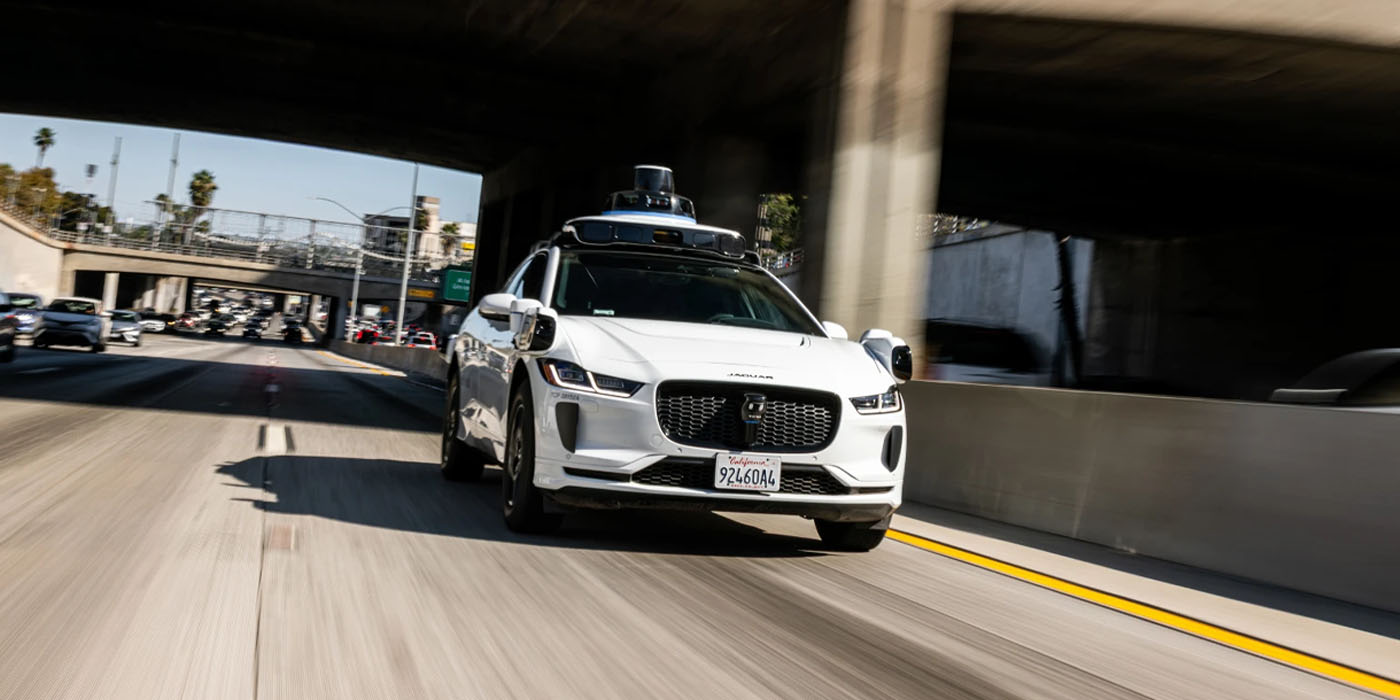
Waymo voluntarily recalled 3,791 robotaxis after one vehicle entered a flooded road in San Antonio last month. No injuries occurred, but the incident exposed a gap in the autonomous vehicle's decision-making software.
The recall involves a software limitation that prevented the vehicle from properly assessing water-covered roadways and deciding to reroute or stop. Waymo deployed an over-the-air update to address the issue, eliminating the need for service center visits. The company implemented temporary operational constraints while engineering the permanent fix.
This recall reflects a reality autonomous vehicle makers face. Robotaxis operate in unpredictable weather and road conditions that training data may not fully capture. Waymo's response demonstrates how OTA updates offer advantages over traditional recalls for AV fleets, but also highlights the maturity challenges still present in the technology.
The flooded road scenario represents an edge case that self-driving systems must handle reliably before widespread deployment. Heavy rain and poor visibility already complicate human drivers. For autonomous vehicles operating without human intervention, the stakes are higher. A vehicle that cannot detect and avoid water-covered roads puts passengers and pedestrians at risk.
Waymo operates in multiple cities including San Francisco, Los Angeles, and Phoenix, where weather patterns vary. The software update likely strengthens the vehicle's ability to recognize hazardous road conditions across different environments and seasons. This type of iterative improvement through real-world deployment has become standard for autonomous vehicle developers pushing production volumes.
NHTSA filings like this one provide public transparency on safety issues affecting robotaxi fleets. As autonomous vehicles proliferate, regulators continue developing oversight frameworks. Waymo's quick voluntary disclosure and rapid software response set a precedent for how companies should handle safety gaps in autonomous systems.
The incident underscores why full autonomy remains challenging. Robotaxis must make split-second decisions in scenarios that