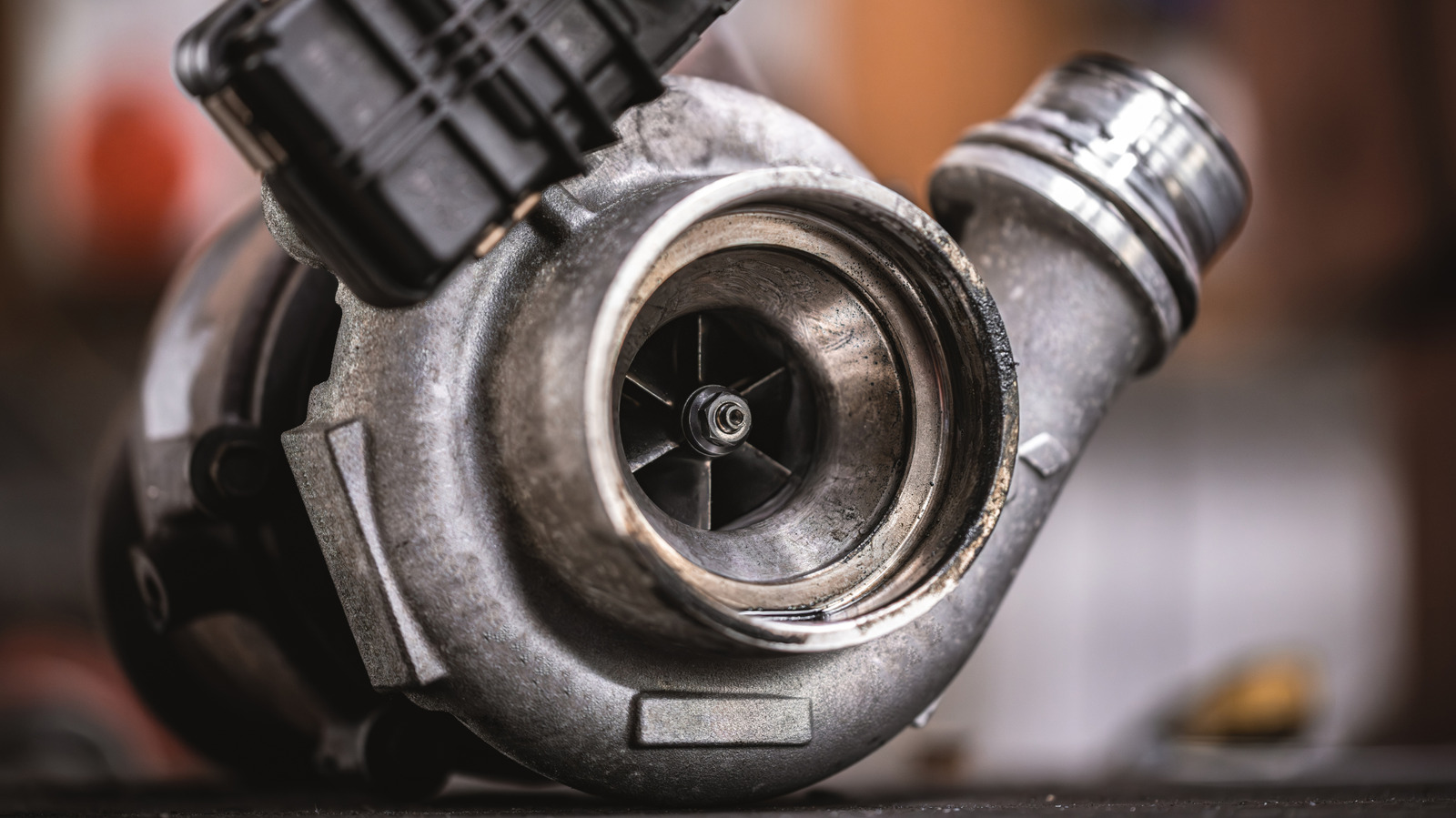
Turbocharger failures stem from three primary culprits: oil starvation, excessive heat, and carbon buildup. Modern turbos spin at speeds exceeding 150,000 RPM, relying on a constant, clean oil supply to lubricate bearings and cool the system. Neglecting oil changes accelerates bearing wear and allows sludge to block critical passages. High-quality synthetic oil rated for your engine's specifications matters more than cost savings.
Heat management ranks second. Turbos operate at exhaust temperatures around 1,000 degrees Fahrenheit. Inadequate cooling lines, blocked intercoolers, or undersized radiators push turbos beyond their thermal limits, degrading seals and weakening internal components. Regular coolant flushes and intake cleaning keep heat transfer efficient.
Carbon accumulation represents the third threat. Fuel deposits coat intake valves and turbo compressor blades, reducing efficiency and forcing the turbo to work harder for the same boost. This accelerates wear and can trigger boost spike failures. Top-tier fuel with robust detergents helps, but carbon cleaning services provide direct intervention every 50,000 to 80,000 miles on direct-injection engines.
Real-world prevention boils down to discipline. Follow your manufacturer's oil change intervals without exception. Don't ignore check engine lights or boost pressure anomalies. Avoid sustained high-load driving immediately after cold starts, when oil hasn't fully circulated. If your vehicle shows turbo lag, unusual noises, or loss of power, address diagnostics immediately rather than hoping the problem resolves itself.
Turbocharger replacement costs $1,200 to $3,500 depending on the vehicle. Preventive maintenance through proper fluid changes and timely service rarely exceeds $500 annually. The math favors diligence. Owners who respect their