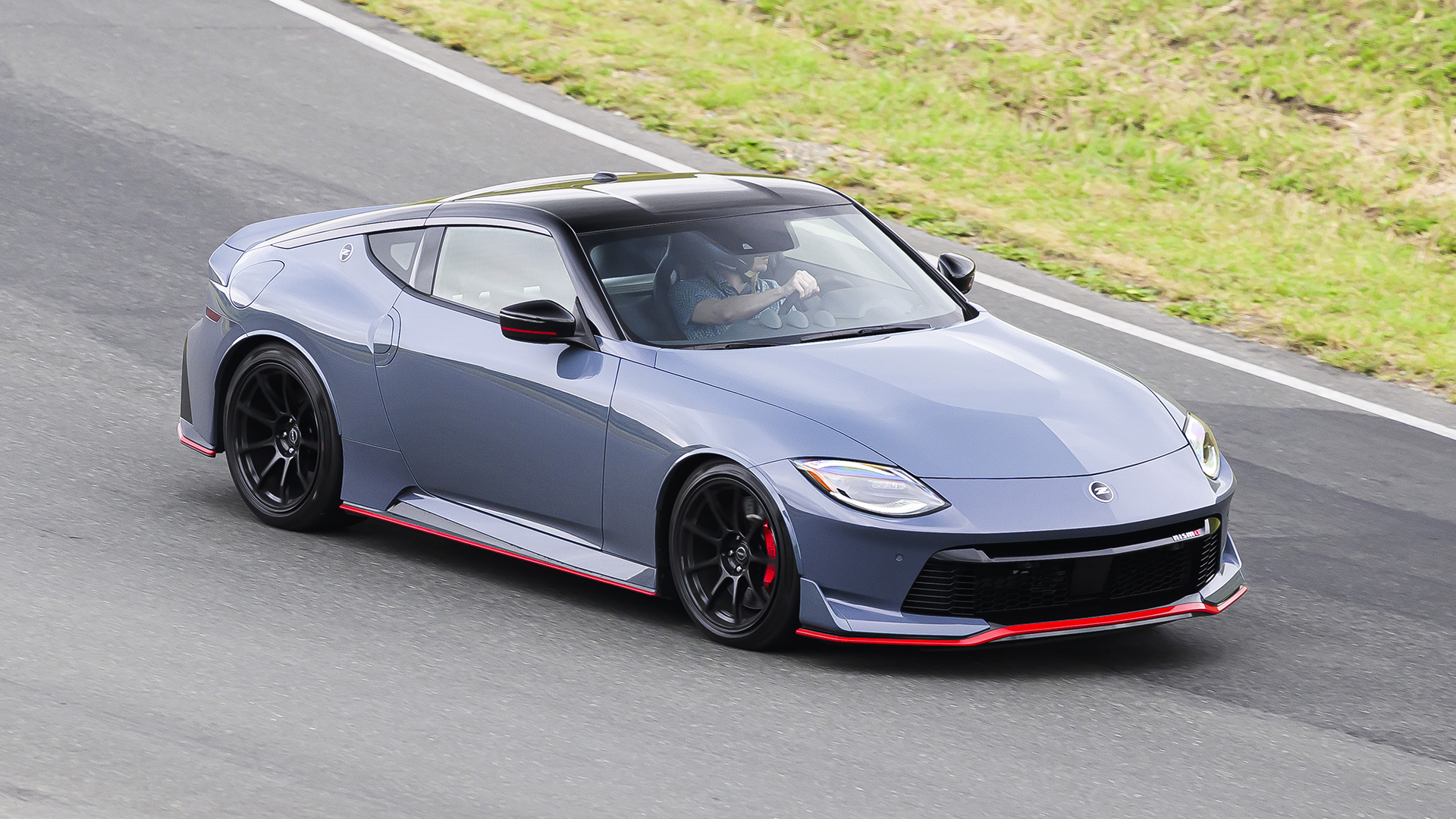
Nissan finally delivered what Z enthusiasts demanded: a manual transmission option for the 2027 Z Nismo. The automaker didn't simply adapt an existing gearbox but engineered a bespoke six-speed manual specifically calibrated for the Nismo's 400-horsepower twin-turbocharged 3.0-liter V6 and its 383 pound-feet of torque.
The engineering effort extends beyond the transmission itself. Nissan recalibrated engine mapping, adjusted gear ratios, and tuned the clutch engagement to maximize the Nismo's performance credentials while maintaining everyday drivability. The result bridges a gap that has plagued the modern Z since its 2022 relaunch, when Nissan offered only a nine-speed automatic.
Enthusiast feedback drove this decision. For years, Z owners and prospects voiced a consistent refrain: they would buy the car if manual transmission were available. The Nismo variant, positioned as the Z's most hardcore expression with aggressive aerodynamics, forged aluminum wheels, and suspension upgrades, demanded mechanical control. A manual transmission transforms the driving experience in ways automatics cannot replicate, particularly for drivers who value engagement over convenience.
Context matters here. The manual transmission faces extinction across the industry. Automatics deliver better acceleration times, superior fuel economy, and seamless shifting that most drivers prefer. Yet sports cars remain one of the last bastions where manuals persist. The Chevrolet Corvette, Porsche 911, and BMW M440i xDrive all offer manual options, recognizing that a segment of buyers will sacrifice efficiency and performance for the visceral connection a manual provides.
Nissan's commitment signals confidence in the Z's positioning. Rather than slap an off-the-shelf unit onto the engine, the company invested in application-specific tu