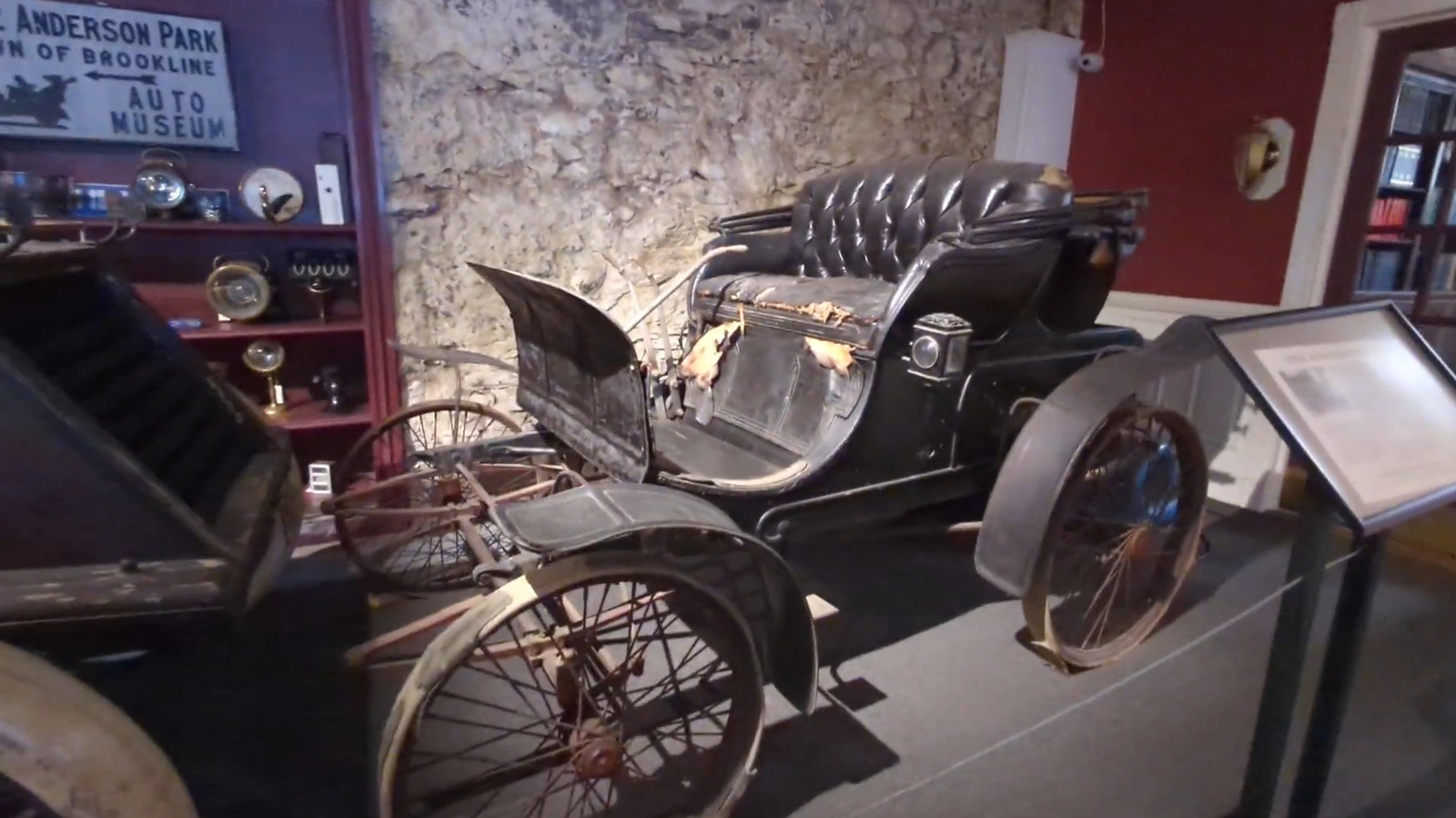
# Early Pioneers Built One of Automotive History's Most Important Collections
Car collecting as an organized hobby emerged in the mid-20th century, but this couple started accumulating their impressive automotive collection decades before that movement gained mainstream traction. Their forward-thinking approach to preserving vehicles established a blueprint for serious collectors who followed.
The couple recognized the historical and mechanical value of automobiles when most people viewed cars simply as transportation. They acquired vehicles methodically, focusing on significant models and engineering milestones rather than chasing trends. Their collection reflects a curator's eye for automotive importance rather than wealth-driven impulse buying.
Their early start gave them access to cars that became impossible to find later. Many vehicles in their collection now exist as rare survivors, with some examples among only a handful still in existence. The foresight to preserve these machines during an era when scrapping was common proved invaluable for automotive history.
The collection spans multiple manufacturers and design philosophies, documenting the rapid evolution of automobile technology and styling. Each acquisition tells a story about engineering priorities, market demands, and manufacturing capabilities of its era. Their documentation and preservation methods influenced how collectors today approach restoration and storage.
This couple's hobby preceded the formation of major collector car organizations and specialty auctions that now define the hobby. They built their collection without the infrastructure, pricing guides, or market knowledge available to contemporary collectors. Their success relied entirely on intuition, mechanical knowledge, and passion for automobiles as historical artifacts.
Their legacy extends beyond the vehicles themselves. They demonstrated that serious car collecting requires patience, discernment, and commitment to preservation rather than speculation. Museums and institutional collectors eventually recognized the historical weight of their work, with portions of their collection eventually finding homes in automotive institutions where they continue educating new generations about automotive history and design.