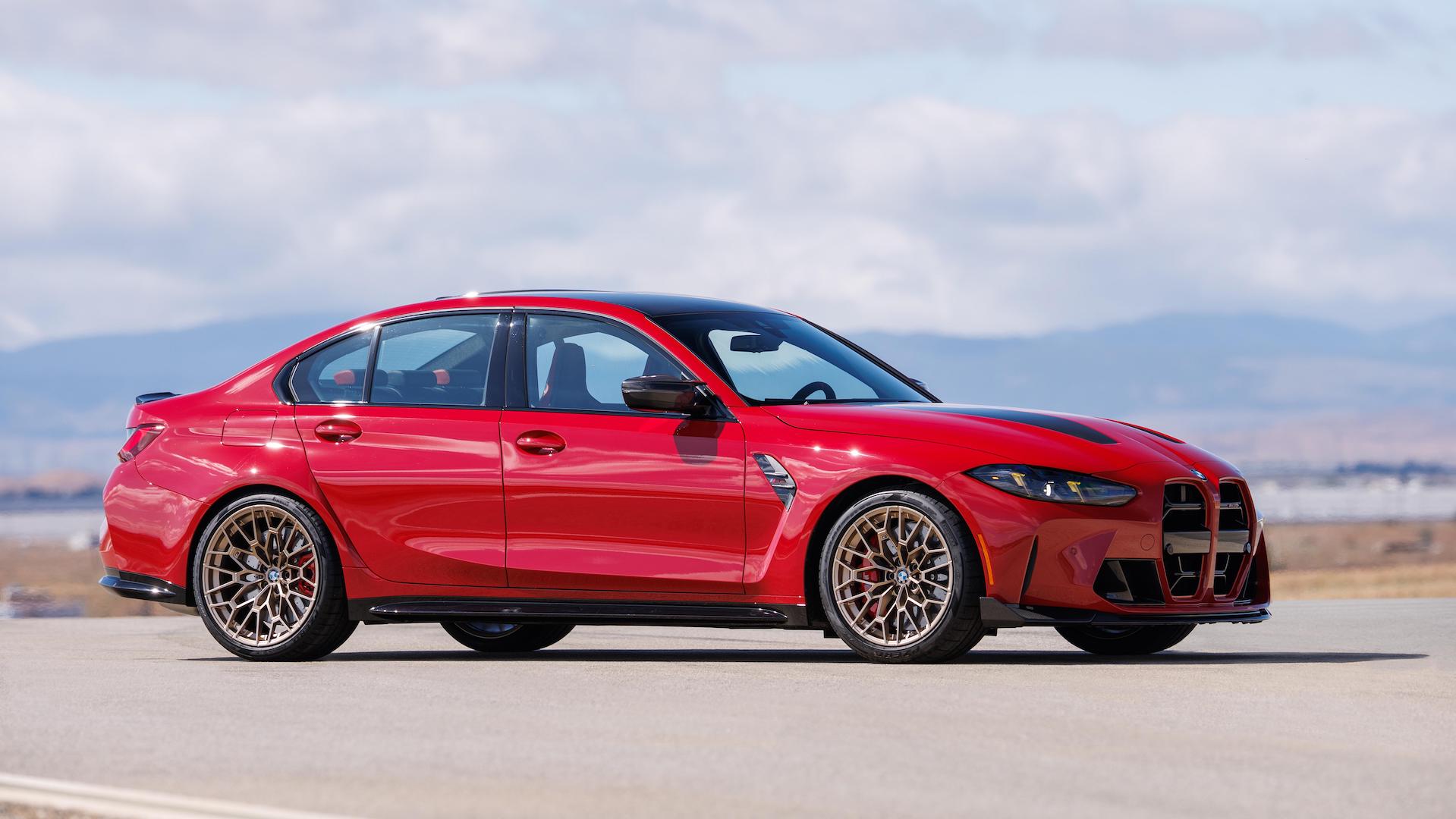
BMW confirms the M3 CS Handschalter, its new manual-transmission performance sedan, arrives exclusively in North America with rear-wheel drive. The name translates directly from German as "hand shift," underscoring BMW's commitment to preserving the clutch pedal for enthusiasts in a market where manuals still command respect.
The M3 CS represents a niche play. BMW limits this variant to RWD configuration, shedding the xDrive all-wheel-drive system available on standard M3 models. This setup delivers the mechanical directness that manual transmission owners demand. The decision signals BMW's understanding that buyers requesting a stick shift prioritize engagement and driver involvement over traction optimization.
North America exclusivity reflects regional appetite for manuals. While European and Asian markets have largely abandoned three-pedal setups, North American enthusiasts still purchase them in meaningful numbers, particularly in the performance segment. BMW's decision to offer the M3 CS Handschalter only stateside acknowledges this reality.
The M3 CS builds on the standard M3's turbocharged 3.0-liter inline-six engine, which produces 503 horsepower in base form. The CS badge historically denotes enhanced capability and stripped-down focus. Expect aggressive styling, weight reduction measures, and handling refinements that differentiate the CS from regular M3 variants.
This move contrasts sharply with industry trends. Most manufacturers abandoned manual performance cars years ago due to declining demand and the complexity of certification. Porsche, Chevrolet, and BMW itself have culled manual options from nearly every model. The M3 CS Handschalter bucks that pattern, betting that North American buyers value the visceral connection of a clutch pedal enough to justify production complexity.
The RWD-only specification further separates the CS from competitors like