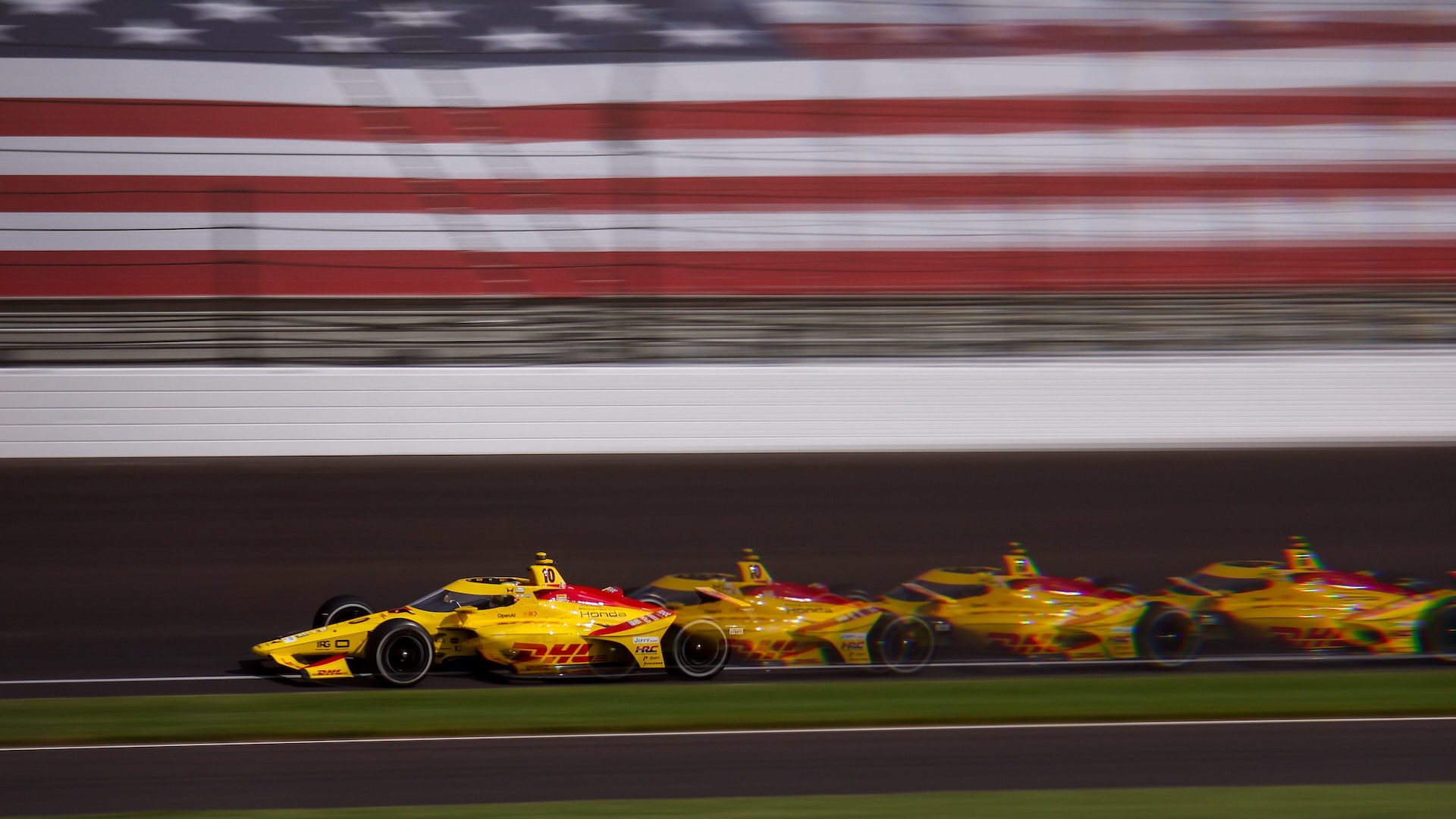
The Indianapolis 500 qualifying sessions deliver raw spectacle unmatched anywhere in motorsport. IndyCar drivers attack the 2.5-mile oval at speeds exceeding 240 mph, threading corners with millimeter precision at the absolute edge of adhesion and mechanical limits. No other venue on earth produces this combination of velocity, risk, and sustained performance.
Qualifying at Indy separates itself from traditional motorsport competition through its unique format and consequences. A driver's four-lap run determines grid position for the most prestigious single-day race in open-wheel racing. There is no margin for error. A slight miscalculation, a gust of wind, or mechanical failure costs positions and potential race-day advantage. Teams spend months preparing chassis setups, engine configurations, and aerodynamic packages specifically for these qualifying runs.
The psychological element distinguishes Indy qualifying from ordinary race weekends. Drivers must find rhythm and confidence at speeds where survival depends on absolute commitment. The feedback loop is immediate and unforgiving. A tenth-of-a-second slowdown drops you down the grid. A tenth-of-a-second gain moves you forward. This compressed timeframe concentrates the pressure into four laps that define the entire May race weekend.
The 500 itself showcases IndyCar's pinnacle. Historic venues like Dallara, Penske, and Andretti organizations field multiple entries, each competing against the others. IndyCar engines produce over 900 horsepower on 100-octane methanol fuel. The cars weigh just 1,600 pounds, generating lateral forces that challenge drivers physically and mentally across a two-hour race distance.
Qualifying transforms the Speedway into a testing ground for human and mechanical limits. Engineering precision meets driver bravery. Teams optimize every element, from tire pressures to fuel loads, hunting lap