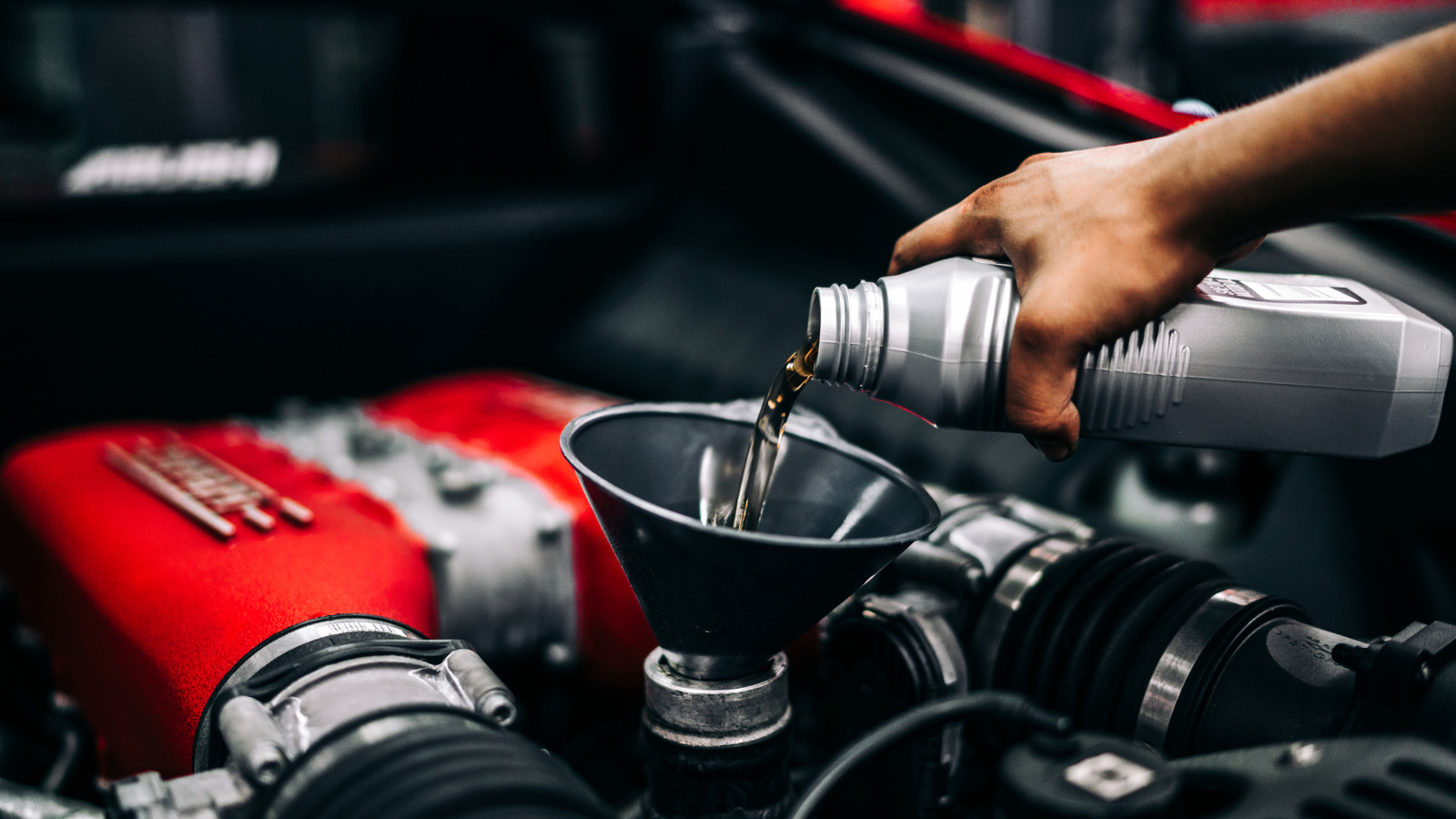
Geopolitical tensions between the U.S., Israel, and Iran threaten to disrupt global oil supplies, potentially creating another cost squeeze for supercar owners within the next month.
The conflict's escalation has raised serious concerns about tanker traffic through the Strait of Hormuz, a critical chokepoint that handles roughly 21 percent of global petroleum flows. Any disruption there ripples through worldwide markets, pushing crude prices higher and cascading into service costs across the luxury automotive segment.
Supercar owners already face premium maintenance bills. A Ferrari or Lamborghini oil change runs thousands of dollars, not hundreds. These vehicles demand synthetic formulations and specialized filters. When crude spikes, those costs climb alongside it. Specialty oils for high-performance engines become even more expensive, straining the wallets of owners who dropped half a million or more on their machines.
The timing compounds existing supply chain strain. The automotive aftermarket has slowly recovered from pandemic-era disruptions, but energy volatility remains a persistent threat. Exotic car dealers and independent specialists report inventory pressures on premium lubricants and fluids already. A one-month window until shortages hit would force owners to either service vehicles now at current prices or gamble on future availability.
Broader implications extend beyond supercars. Luxury brands like Ferrari, Lamborghini, Porsche, and McLaren source specialized fluids from a handful of suppliers. Regional conflicts that tighten crude supplies hit these niche markets harder than mass-market segments with diverse sourcing options.
The supercar segment itself represents a tiny fraction of global auto sales, but it carries outsized cultural and financial weight. These vehicles command premium service ecosystems. Any disruption forces owners to plan maintenance strategically and absorb unexpected expenses. For dealers and independent shops specializing in exotics, geopolitical uncertainty translates directly to inventory and pricing pressure