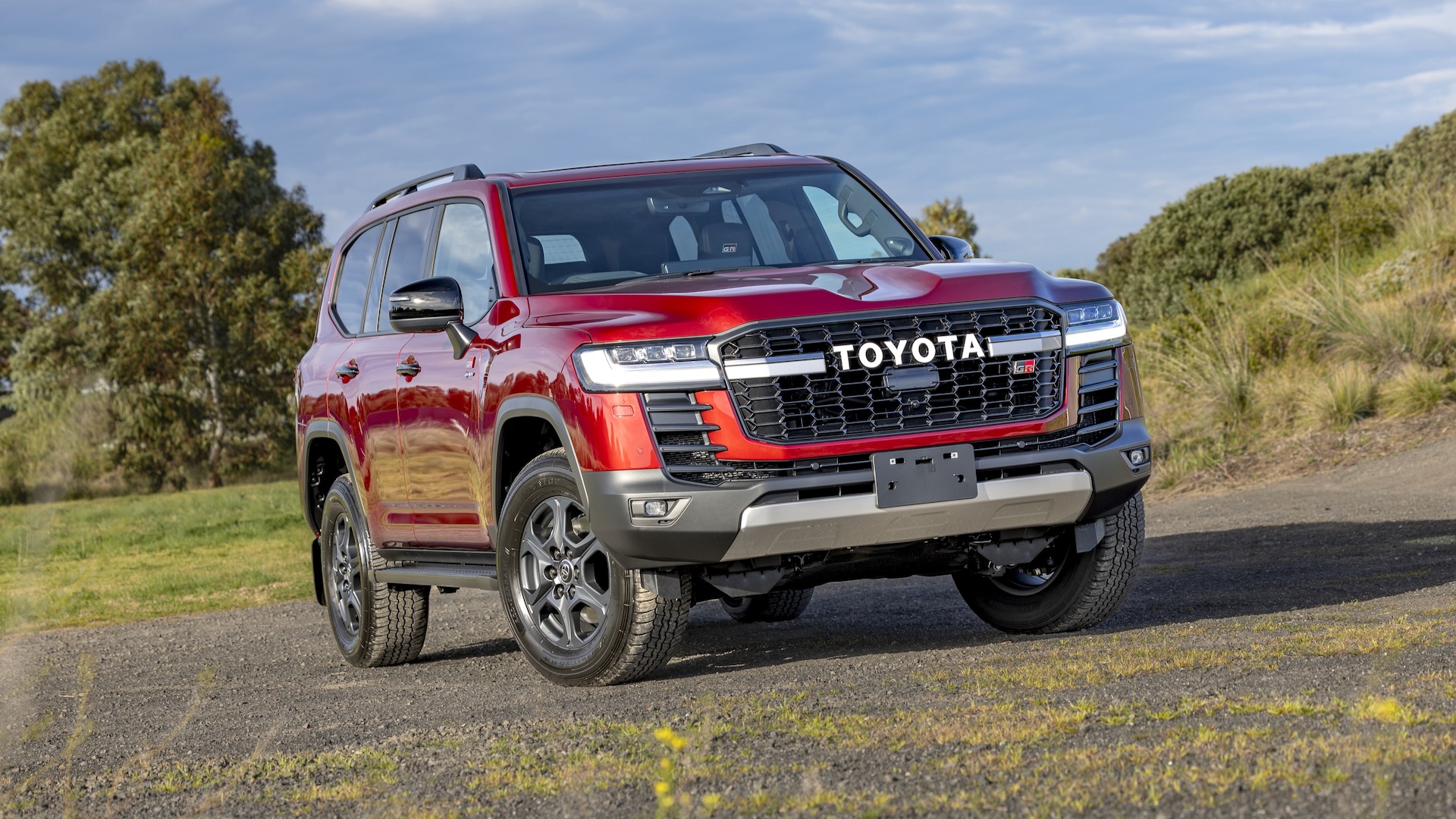
Toyota has upgraded the Land Cruiser 300 Series with a more powerful engine option, further widening the gap between what international markets receive and what remains unavailable to American buyers. The Japanese automaker introduced enhanced performance for its flagship SUV in select markets, deepening frustration among U.S. enthusiasts who have watched the 300 Series remain forbidden fruit since its 2021 debut.
The new powertrain delivers substantially more output than the current offering, enhancing the already-capable platform's appeal in markets where it sells. Toyota continues to position the Land Cruiser 300 as a premium, rugged alternative to rivals like the Range Rover and Mercedes-Benz G-Class in Europe, the Middle East, and Asia. The upgrade reinforces the nameplate's status as a global icon despite its absence from American showrooms.
U.S. regulations and Toyota's own market strategy have kept the 300 Series stateside. The automaker focuses its SUV portfolio on the Sequoia, 4Runner, and other models tailored to American preferences and emissions standards. Import regulations, emissions compliance costs, and questions about market demand have all contributed to the decision to exclude the modern Land Cruiser from domestic sales.
This engine upgrade compounds the disappointment for American off-road enthusiasts who covet the Land Cruiser's legendary durability and capability. The nameplate carries immense brand equity in the U.S., where previous generations commanded premium prices and maintained resale value. Yet Toyota shows no signs of reversing course, leaving domestic buyers to either import used examples through gray-market channels or settle for available alternatives.
The decision reflects Toyota's calculated approach to regional product allocation. While investing in the 300 Series' evolution abroad signals confidence in the model's long-term viability, it simultaneously confirms that American consumers will not benefit from these enhancements. The pow