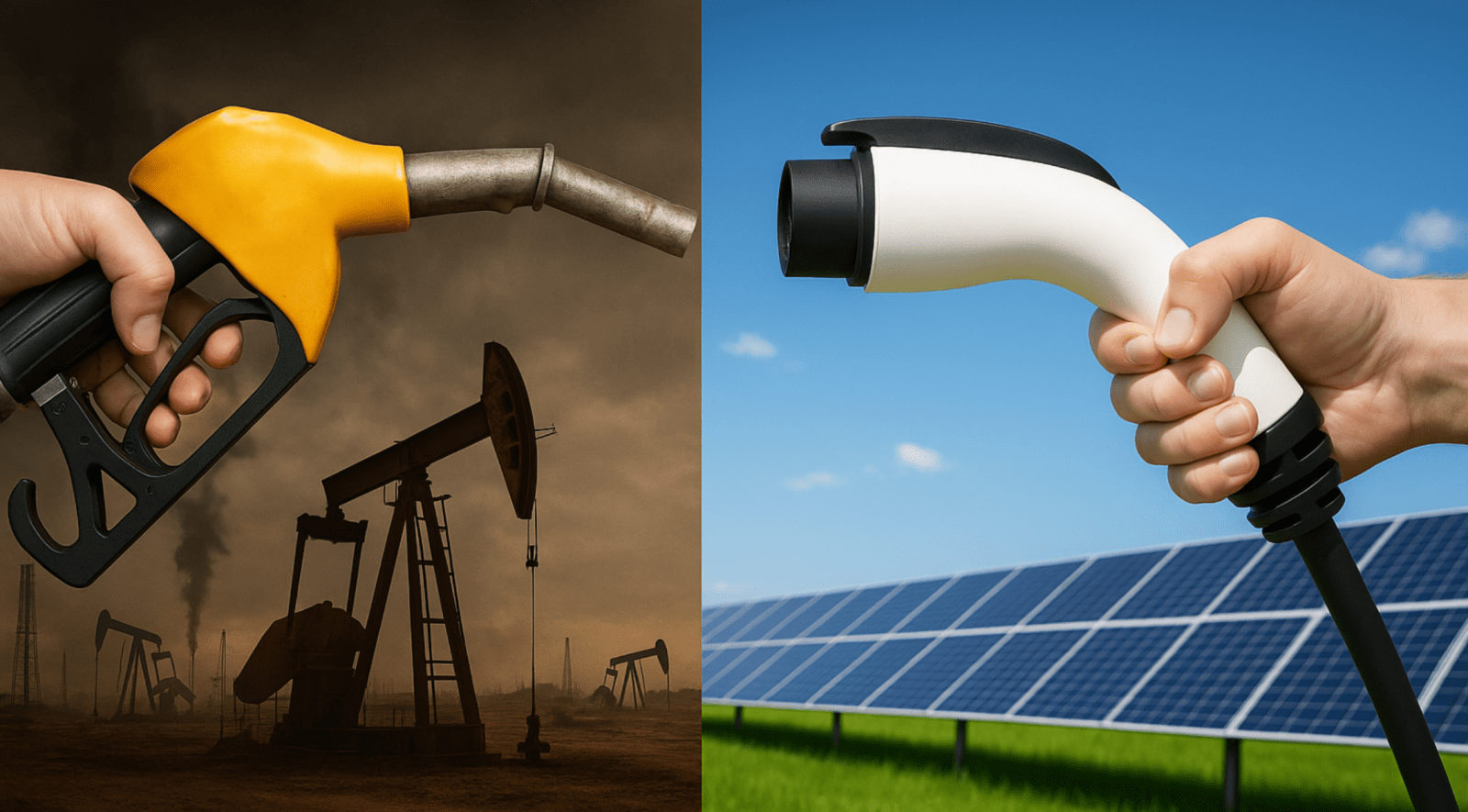
China's internal combustion engine market is collapsing. Gas car sales plummeted 37 percent year-over-year in April, marking a historic shift in the world's largest auto market. The data reveals a seismic commercial reality: plug-in vehicles now dominate Chinese buyer preferences at a scale Western automakers have barely begun to address.
Nine of the ten best-selling vehicles in China last month were plug-in models. Only one gasoline-only car cracked the top ten. This isn't gradual transition territory anymore. Chinese consumers have fundamentally rewired their purchasing behavior, and domestic manufacturers including BYD, NIO, and Li Auto have capitalized on the shift with aggressive pricing, superior range, and feature-rich offerings that traditional automakers struggle to match.
The collapse accelerates an existing trend. China has been the EV adoption leader globally for years, but April's 37 percent drop signals that legacy ICE vehicles are now becoming secondary choices rather than defaults. Subsidies and charging infrastructure have matured. Battery costs have fallen. Consumer confidence in electric reliability has hardened after years of real-world data.
For global automakers, this is a watershed moment. Ford, Volkswagen, and General Motors have invested heavily in Chinese EV production, but they arrive late to a market where local brands already command consumer loyalty and technological credibility. Tesla remains competitive in premium segments, but BYD's dominance in volume sales and plug-in hybrid segments undercuts Tesla's long-term margin assumptions in China's most profitable markets.
The message extends beyond China's borders. Western European markets show similar momentum toward electrification. U.S. EV adoption remains slower, but the manufacturing capacity and supply chain advantages China has accumulated will soon translate into competitive pricing pressure on American and European models. Legacy automakers betting on extended ICE profitability to fund EV development face