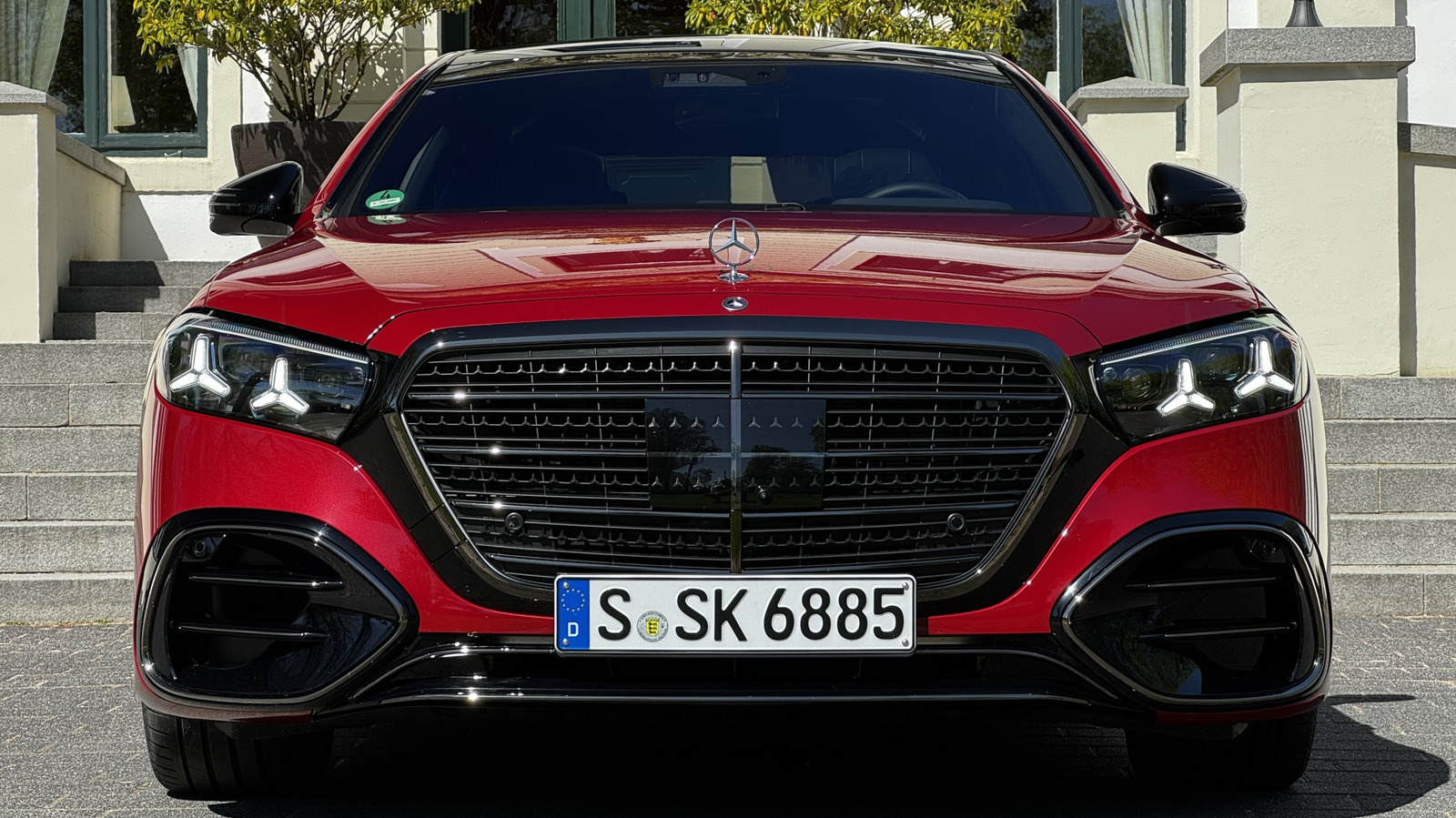
# Your Favorite Flagship Vehicles: What Drivers Actually Want
Flagship vehicles defy simple definition, but buyers recognize them instantly. These top-tier models represent the pinnacle of a brand's engineering, design, and aspiration. They anchor brand identity and set the tone for everything else in a manufacturer's lineup.
The flagship category spans distinct segments. In luxury sedans, the Mercedes-Benz S-Class and BMW 7 Series remain benchmarks. Toyota's Land Cruiser commands the adventure vehicle space, while the Porsche 911 defines performance. Pickup trucks claim their own flagship territory through models like the Ford F-150 Raptor and Ram 1500 TRX, which blend capability with luxury appointments.
What unites these vehicles transcends specs. Flagships carry emotional weight. They represent what a brand stands for at its best. A flagship offers cutting-edge technology unavailable elsewhere in the lineup, whether that means the latest infotainment systems, advanced driver assistance, or powertrain innovation. Build quality exceeds standard models. Materials improve. Engineering refines.
The flagship formula has shifted. Electrification now plays a central role. Tesla's Model S redefined what flagship electric sedans could do. Traditional luxury makers responded with the BMW iX, Mercedes EQS, and Lucid Air. These vehicles prove that premium positioning and zero-emission powertrains coexist effectively.
Pricing creates natural flagship distance. Most flagships cost $80,000 to $150,000 or more. This steep pricing threshold keeps them exclusive, which reinforces their status-symbol appeal. Buyers choose flagships not just for capability but for the statement they make.
Consumer preference data reveals consistent patterns. Buyers prize reliability and resale value alongside luxury features. They demand intuitive technology interfaces. Long-term ownership costs matter more than