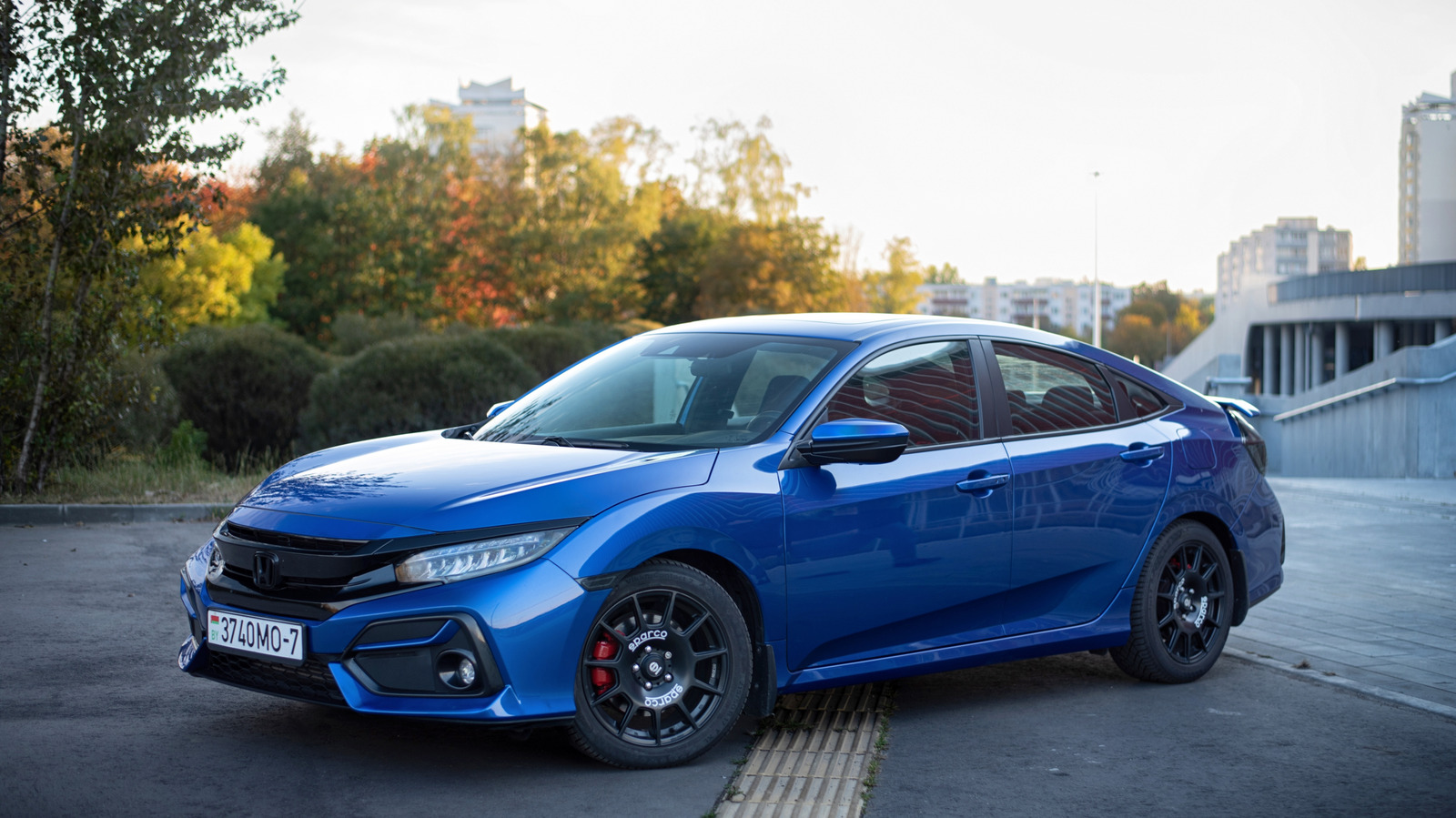
Honda's turbocharged engine, celebrated for its fuel efficiency and responsive performance, carries a troubling reputation among long-term owners. Multiple drivers report serious reliability issues that contradict Honda's historical reputation for durable powerplants.
The specifics matter here. Honda has built turbocharged units across several generations and platforms, but this particular engine has emerged as a weak link in the lineup. Owners document premature bearing wear, carbon buildup in direct-injection systems, and catastrophic failure rates that arrive well before expected service intervals. Some vehicles accumulate less than 100,000 miles before experiencing engine seizure or requiring full rebuilds.
The problem stems partly from turbocharger strain on the base engine architecture. Honda designed these blocks without accounting for extended boost pressure cycling. Direct fuel injection, while efficient, deposits carbon on intake valves faster than traditional port-injected designs. Without periodic chemical cleaning, intake valve deposits choke airflow and compromise combustion quality. The combination accelerates wear on bearings and pistons that weren't engineered for such prolonged stress.
Industry observers point to Honda's cost-cutting measures during the engine's development phase. The manufacturer reduced bearing size and oil cooling capacity compared to naturally aspirated engines, assuming turbocharger efficiency would offset performance compromises. That math failed in real-world driving conditions, particularly for owners running regular boost or towing loads.
Honda has issued technical service bulletins addressing some issues, but recalls have remained limited. The company requires owners to perform frequent oil changes and use only specified synthetic fluids. Dealers report warranty claims spike around 80,000 to 120,000 miles, well beyond the traditional three-year powertrain coverage window.
Drivers shopping Honda models with this engine should expect higher maintenance costs than typical for the brand. Independent shops charge $1,200 to $3,000 for preventive carbon cleaning services