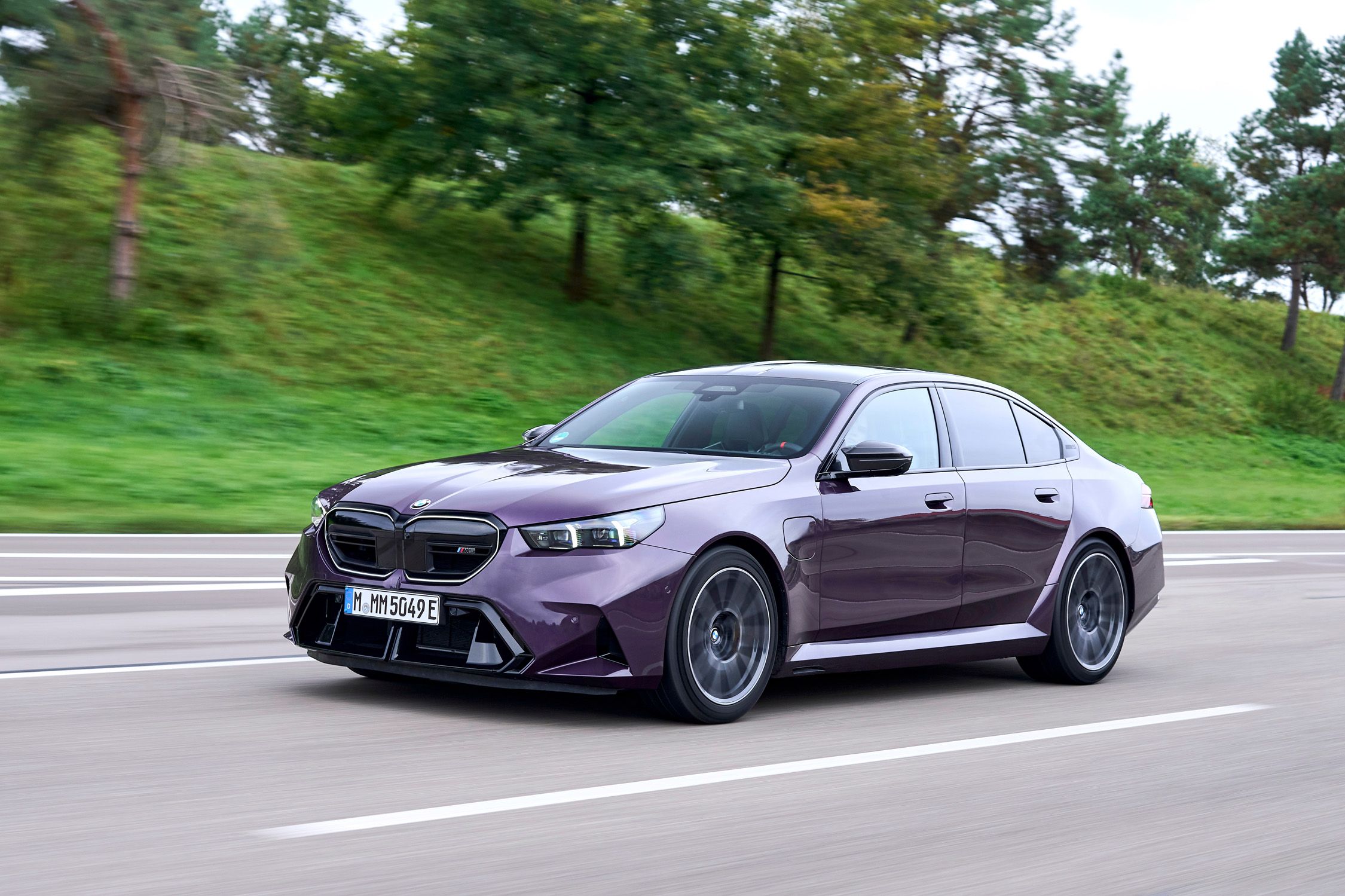
BMW's next-generation M5 arrives in 2027 with a radical shift toward electrification. The high-performance sedan ditches the traditional naturally aspirated engine formula that defined the M division for decades, replacing it with a hybrid powertrain that pairs a turbocharged inline-six engine with electric motors for combined output exceeding 700 horsepower.
The new architecture positions BMW squarely against Mercedes-AMG's E63 and Porsche's upcoming electrified performance sedans. This generation marks the most significant M5 transformation since the model's 1984 debut. Weight remains a concern for purists. The hybrid system adds mass, though BMW engineers claim the electric motors compensate through instant torque delivery and refined power progression.
Pricing starts around $115,000, placing the 2027 M5 approximately $10,000 above the current generation. That premium reflects the hybrid hardware, advanced battery technology, and the shift toward all-wheel drive as standard. Rear-wheel drive devotees will find limited options here. BMW positions this as necessary for market demands and regulatory compliance across global markets.
The sedan retains the M5's core identity. Zero-to-60 times dip below three seconds. Top speed remains electronically limited to 155 mph, matching competitors. The real story unfolds in everyday driving. The electric motors fill turbo lag gaps, creating seamless power delivery across the rev range. Brake regeneration captures energy during deceleration, extending range on battery-only city driving.
Interior updates include the latest iDrive 9 infotainment system with enhanced performance telemetry and track-focused displays. The cabin emphasizes luxury over raw aggression. Leather, carbon fiber trim, and ambient lighting dominate the design language. The M5 no longer chases raw visceral thrills alone.