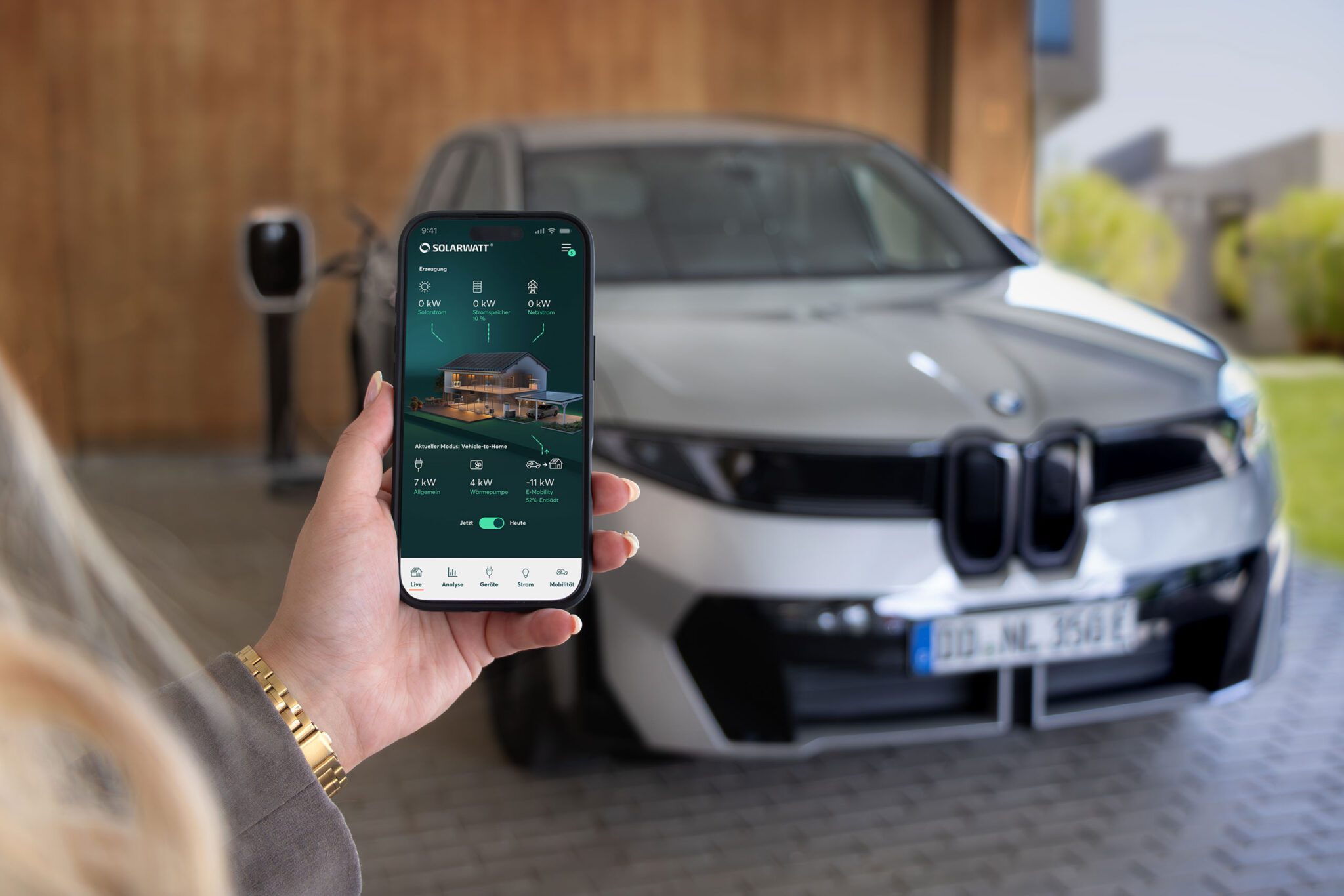
BMW and Solarwatt are deepening their vehicle-to-home (V2H) integration by connecting BMW's Neue Klasse electric vehicles with Solarwatt's home energy management platform. This partnership allows EV owners to leverage their car batteries as backup power sources and optimize energy consumption across their homes.
The Neue Klasse lineup represents BMW's next-generation electric architecture, featuring significantly improved battery efficiency and faster charging capabilities compared to the iX and i4. By pairing these vehicles with Solarwatt's system, owners gain real-time control over when their EV batteries discharge stored energy back into household circuits, reducing reliance on grid power during peak demand or outages.
V2H technology addresses a critical pain point for EV owners with rooftop solar installations. Homes equipped with solar panels generate excess power during daylight hours. Without proper integration, that energy either feeds back to the grid or gets wasted. Solarwatt's system channels excess solar generation into EV batteries during the day, then pulls power from those batteries at night or during high-rate periods. This arbitrage cuts electricity bills substantially while reducing grid strain.
BMW's commitment to this partnership reflects the automaker's broader strategy to position EVs as distributed energy assets rather than just transportation. The German manufacturer recognizes that home energy management directly influences EV ownership appeal in markets with volatile electricity pricing and aging grid infrastructure.
Solarwatt, owned by the Engie Group, brings proven experience in residential battery storage and solar optimization. Their platform already manages thousands of European households. The integration with Neue Klasse vehicles exponentially expands their addressable market while giving BMW a competitive edge against Tesla's Powerwall ecosystem and Volkswagen's comparable V2H initiatives.
This expansion matters as utilities worldwide grapple with peak demand management. EVs represent both a load problem and