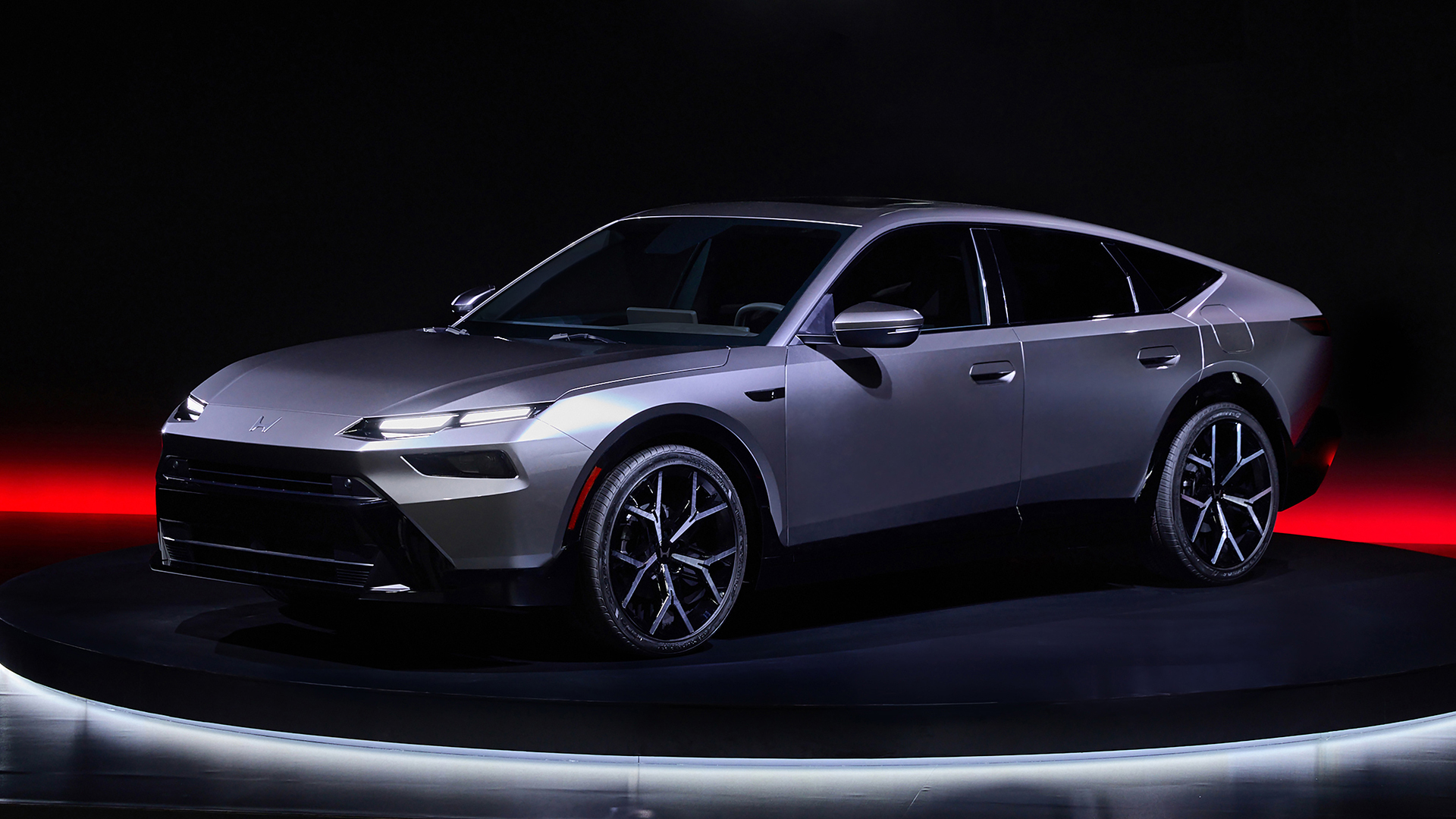
Honda is repositioning hybrids as its business foundation, with the automaker's planning chief confirming that hybrid sales will surpass pure gasoline vehicle sales by the late 2020s. This strategic shift reflects Honda's measured approach to electrification compared to rivals like Toyota and Ford, which have already committed heavily to battery-electric vehicles.
The move acknowledges market realities. Consumers remain hesitant about full EV adoption due to charging infrastructure gaps and battery costs. Hybrids offer an intermediate path that requires no new charging network while delivering meaningful fuel economy gains. Honda's CR-V and Accord hybrids already perform well in their segments, and expanding this lineup makes financial sense during the transition period.
Honda has committed to making hybrids at least half its global sales volume by 2030. This contrasts with General Motors and Volkswagen, which are gambling on faster EV transitions. Toyota proved the hybrid business model works at scale, selling over 4 million hybrids cumulatively and establishing itself as the category leader.
The company will continue developing battery-electric models like the Prologue, but hybrids now receive equal or greater investment. This dual-track strategy hedges against the uncertain pace of EV infrastructure rollout and consumer adoption curves that vary significantly by region.
For Honda dealers, this means new revenue streams through hybrid service and parts sales. For consumers, it signals more hybrid options across Honda's lineup, from compact vehicles to crossovers. The company's planning chief noted that late-decade timing aligns with when EV charging networks mature sufficiently to support larger EV volumes without hybrid supplements.
This repositioning won't surprise industry analysts. Honda historically moves deliberately on major technology shifts, preferring proven technologies over first-mover gambles. The hybrid strategy lets Honda capture market share from undecided buyers while competitors bet entirely on EVs, reducing execution