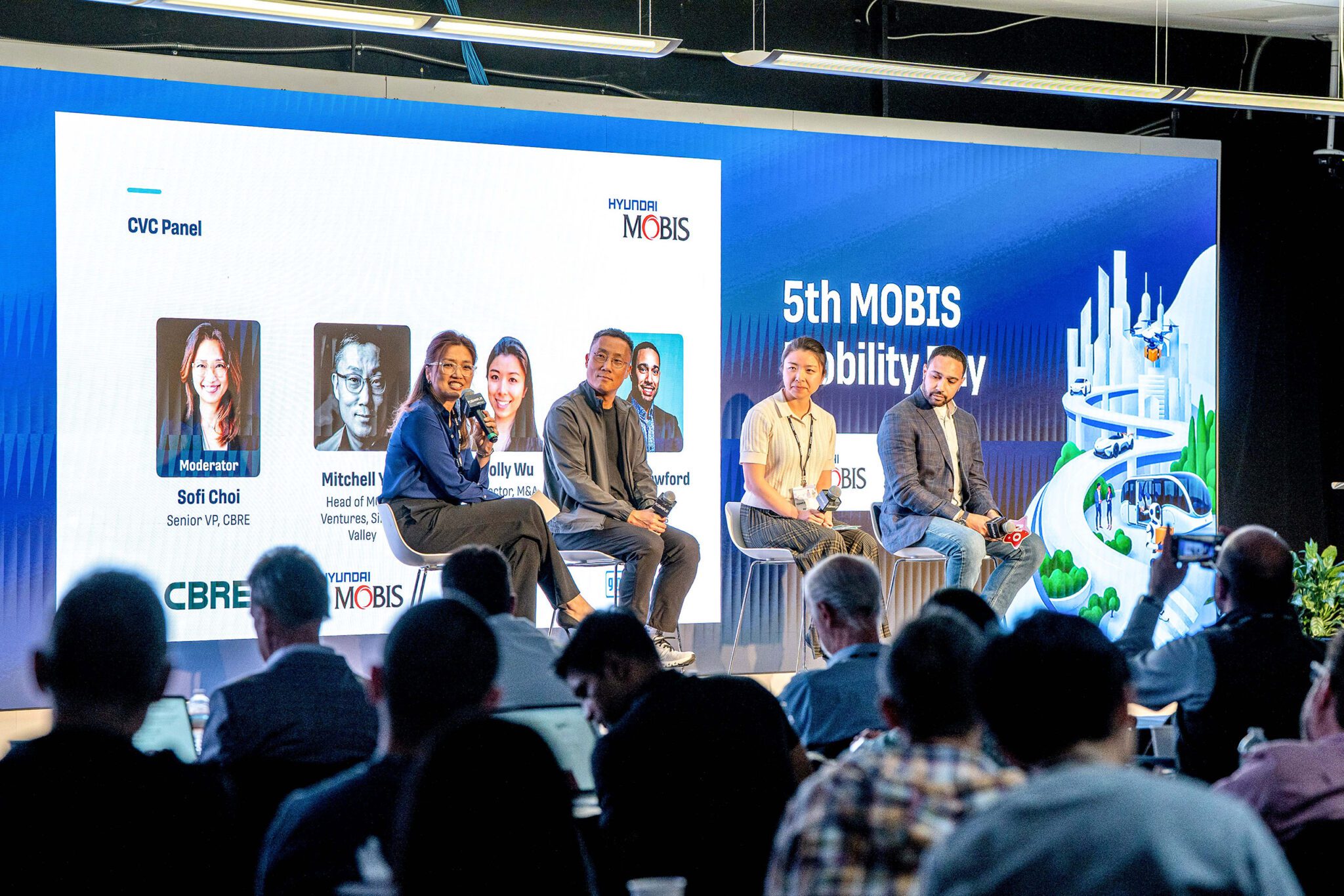
Hyundai Mobis held its fifth annual Mobility Day event in Silicon Valley, showcasing progress from its North American research and development center across three core technology pillars. Engineers presented advances in autonomous driving systems, software-defined vehicles, and electrification platforms.
The event underscores Hyundai Mobis's strategy to position itself as a technology supplier rather than just a parts manufacturer. The company operates separate R&D operations in North America specifically to tap into Silicon Valley's talent pool and innovation ecosystem, a move that reflects broader industry shifts toward software and autonomous capabilities.
Autonomous driving remains the headline technology. Hyundai Mobis has invested heavily in self-driving systems and recently expanded partnerships to accelerate deployment. The company targets Level 3 and Level 4 autonomy across multiple platforms within the next several years.
Software-defined vehicles represent the second focus area. SDVs allow manufacturers to push updates over-the-air and add features post-purchase, fundamentally changing how vehicles operate and generate revenue. This capability also supports faster iteration on autonomous features. Hyundai Mobis sees SDV architecture as essential to compete with Tesla and emerging Chinese EV makers who lead in software integration.
Electrification updates likely covered battery management systems, charging infrastructure, and thermal management solutions. Hyundai Mobis supplies these components to Hyundai Motor Group brands and increasingly to external customers. The company faces pressure from competitors like LG Energy Solution and CATL, which dominate battery production, but components and systems remain high-margin business.
Hosting Mobility Day annually signals Hyundai Mobis's commitment to North American markets and recruitment of engineering talent. Silicon Valley events carry credibility with investors and potential hires. The timing reflects competitive urgency. Traditional suppliers struggle against well-funded startups and Chinese competitors racing to dominance in electric and