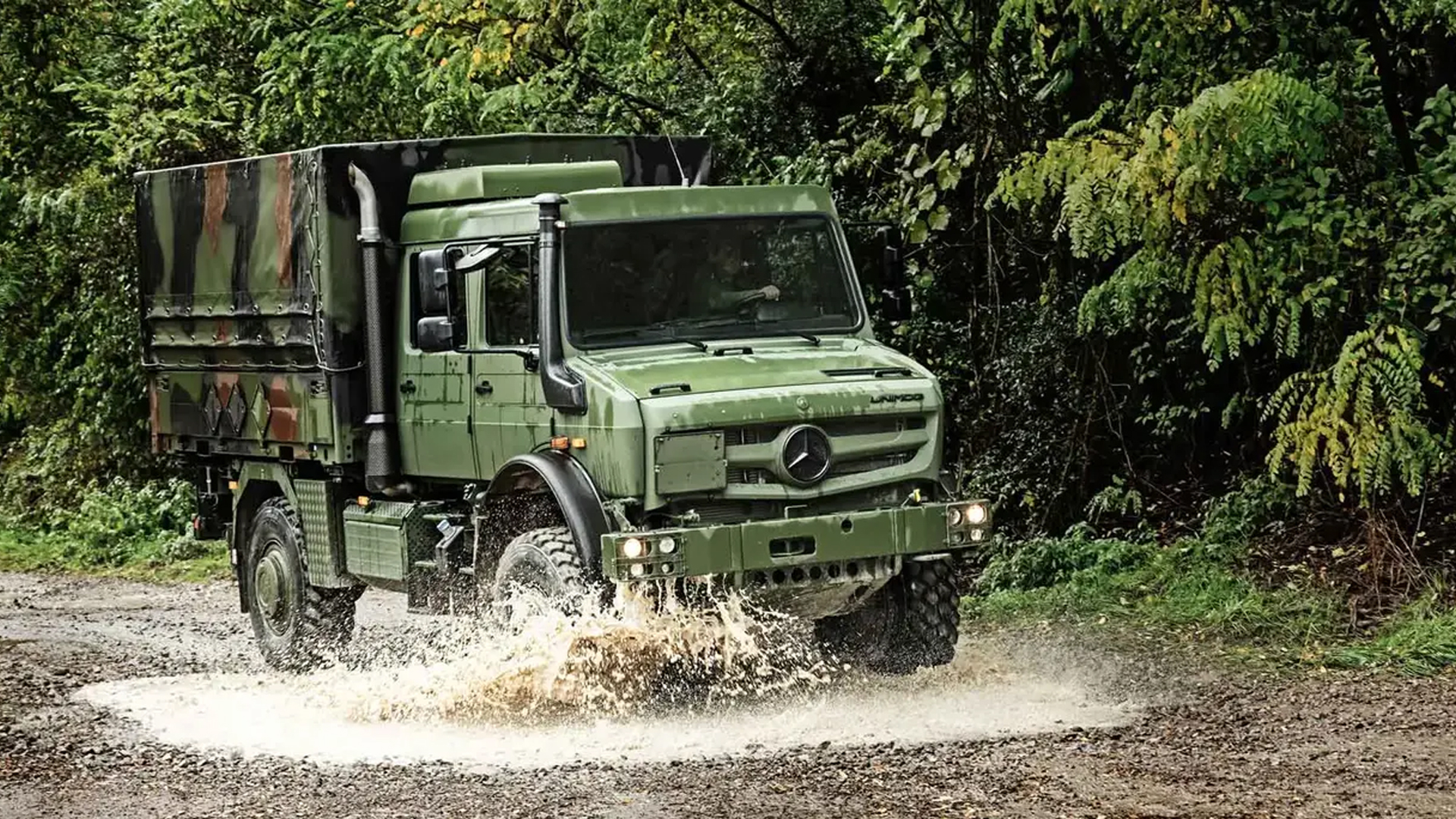
Mercedes-Benz CEO Ola Källenius stated the automaker should prepare itself to support European defense efforts, signaling a broader willingness among major manufacturers to engage with military-industrial production. The comments reflect escalating geopolitical tensions and defense spending across Europe, particularly following Russia's invasion of Ukraine.
Källenius positioned Mercedes-Benz as a company capable of pivoting toward defense applications if needed, leveraging the manufacturer's engineering expertise and supply chain infrastructure. This marks a notable shift in corporate messaging from traditional automakers, which have historically avoided close association with military contracting.
The Mercedes-Benz CEO's remarks align with a wider trend among European industrial giants reconsidering their relationship with defense sectors. Several tier-one suppliers and manufacturers have already begun exploring military applications or strengthening existing defense partnerships. Airbus, for example, has significantly expanded defense operations, while traditional automotive suppliers have increased focus on specialized materials and components for military vehicles.
For Mercedes-Benz, the strategic pivot capitalizes on existing capabilities in vehicle engineering, electronics, and manufacturing scale. The company produces commercial vehicles and platforms that could serve dual-use purposes in civilian and military applications. The statement suggests executives view defense work as a potential growth avenue amid slowing EV transitions in Europe and intensifying competition from Chinese manufacturers.
The comments carry geopolitical weight. Europe faces pressure to bolster military readiness and reduce dependence on external suppliers. Germany specifically has committed to significantly increased defense spending. Automakers possess production capacity and supply chain networks that governments value during periods of accelerated military demand.
However, the pivot raises questions about corporate priorities and resource allocation. Heavy investment in defense contracting could divert engineering talent and capital from passenger vehicle development, electrification initiatives, and autonomous technology programs where competition intensifies daily. Shareholders typically scrutinize major strategic pivots affecting long-term competitiveness