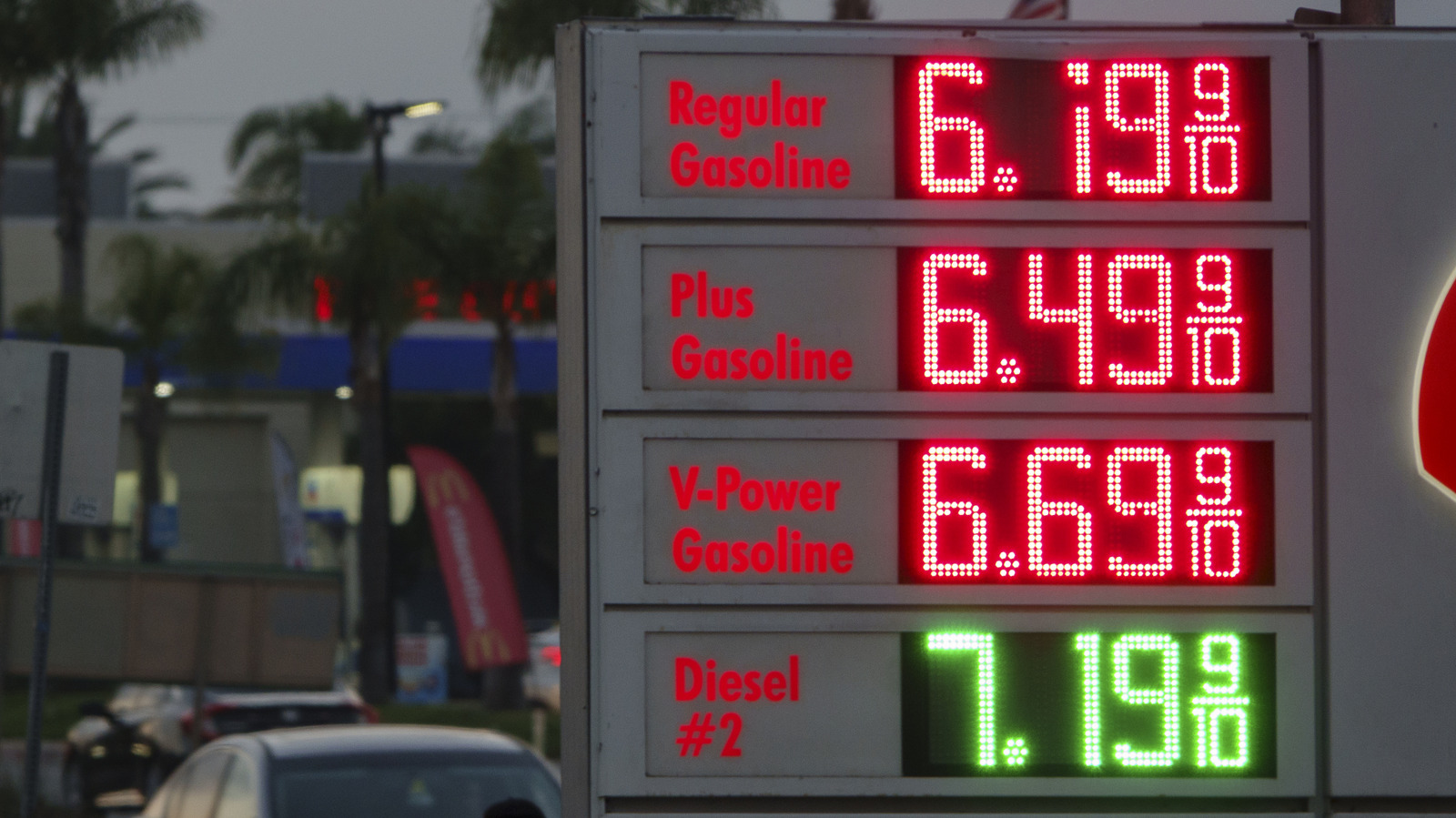
# U.S. Gas Prices Surge on Middle East Tensions, Costing Drivers Billions
Geopolitical conflict in the Middle East has driven U.S. gas prices higher, imposing an estimated $40 billion in additional fuel costs on American drivers since the Israel-Gaza war escalated. This figure reflects the cumulative premium consumers pay at the pump due to oil market volatility tied to regional instability.
Oil markets respond swiftly to Middle East tensions. Supply disruption concerns, even without actual production cuts, push crude prices upward. Refineries adjust accordingly, passing higher wholesale costs to retail gasoline. The $40 billion estimate captures what drivers would have paid under pre-conflict price levels versus actual out-of-pocket expenses.
The timing compounds existing pressures. U.S. refinery capacity remains tight after years of closures and underutilization post-pandemic. Seasonal demand shifts and inventory management decisions amplify price swings. Without spare refining capacity to buffer supply shocks, prices respond aggressively to any perceived threat to global oil flows.
This pattern will persist. Middle East tensions show no signs of resolution. OPEC production decisions and geopolitical risk premiums remain baked into crude valuations. Drivers should expect persistent fuel cost elevation rather than relief.
The broader lesson remains straightforward. Domestic energy independence theories aside, U.S. fuel prices track global oil markets directly. No amount of domestic production offsets the reality that crude trades globally. American drivers subsidize global conflict through every fill-up, and that dynamic won't reverse without significant Middle East stabilization or dramatic changes to transportation fuel sources.
Until then, budgeting for higher gas costs represents the practical reality for households and businesses dependent on gasoline and diesel fuel.