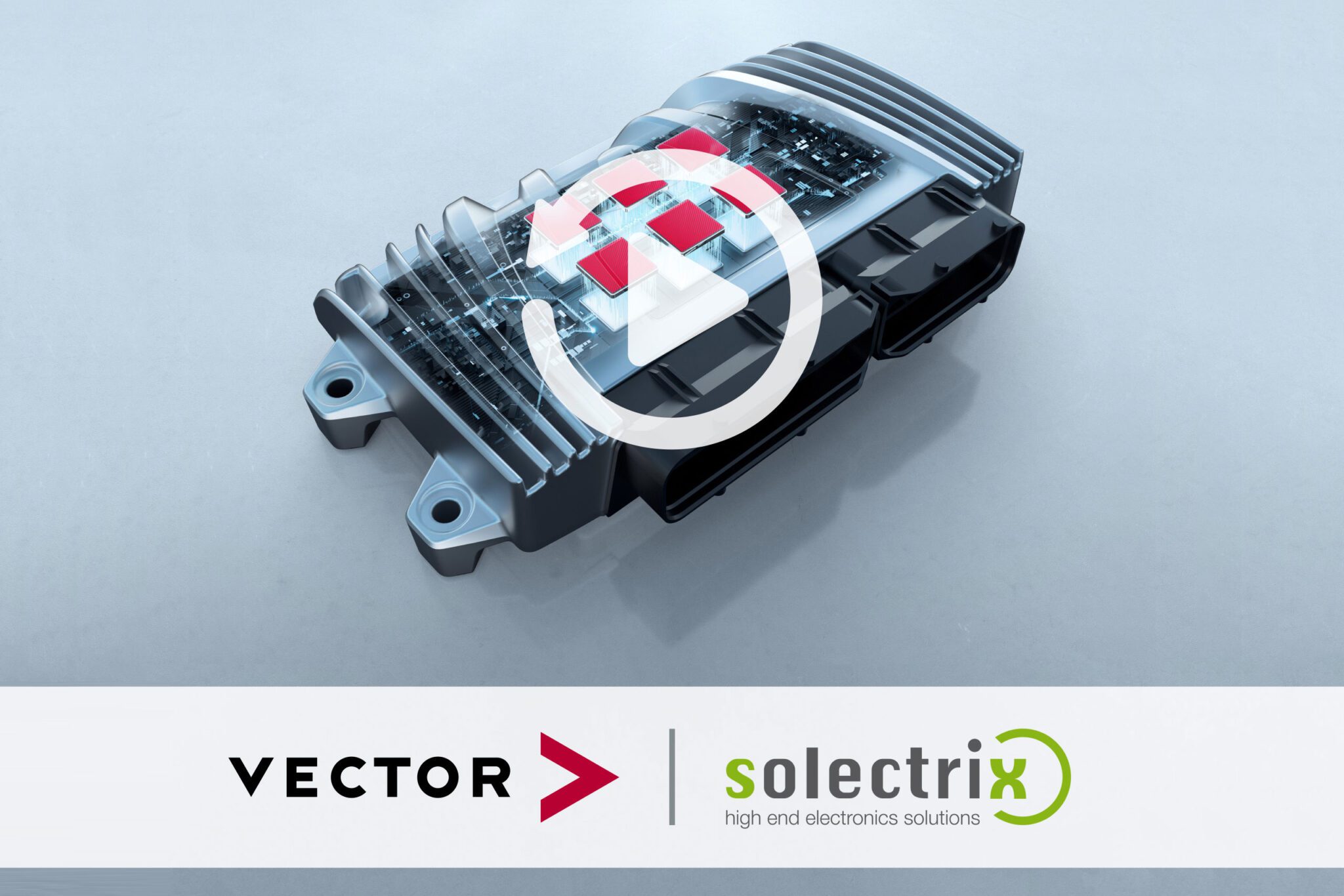
Vector and Solectrix have partnered to combine simulation software with embedded vision technology for ADAS and autonomous driving validation. The collaboration integrates Vector's simulation tools with Solectrix's camera testing capabilities to create reproducible testing environments for advanced driver assistance systems and autonomous vehicle development.
This partnership addresses a critical industry gap. Automakers and suppliers need standardized, repeatable methods to validate camera-based ADAS features like lane-keeping assist, adaptive cruise control, and object detection before road deployment. Manual testing on public roads remains time-consuming and inconsistent. Simulation-based validation cuts development cycles and reduces risk.
Vector brings established automotive simulation expertise, particularly in powertrain and vehicle dynamics modeling. Solectrix contributes specialized embedded vision tools designed to test camera systems under controlled conditions. Together, they enable engineers to run synthetic scenarios repeatedly, varying lighting conditions, weather, and road obstacles without physical prototypes or test tracks.
The timing aligns with industry pressure. Regulators globally demand stronger validation for autonomous features. Insurance companies increasingly scrutinize ADAS reliability. OEMs face competition to bring Level 2 and Level 3 autonomous vehicles to market faster. Simulation reduces time-to-validation without sacrificing safety rigor.
Camera-based perception remains the primary sensor for most production ADAS systems, making validation tools essential. Tesla relies heavily on camera networks. Traditional OEMs like Volkswagen and BMW integrate multiple cameras across their lineups. Chinese EV makers like BYD and NIO use camera-dominant sensor suites. This partnership targets the entire supply chain.
The collaboration reflects broader industry movement toward virtual testing and digital twins. Rather than building dozens of prototype vehicles for testing, engineers now run millions of simulated miles in hours. This approach proves particularly valuable for edge cases like extreme weather or rare traffic scenarios that seldom occur in real-world testing.
Vector